
The cable corridor step by step
The works began with geotechnical surveys along the planned cable routes. Contractors then checked the area for unexploded ordnance — a prerequisite for continuing operations within the cable corridor. No such objects were found along the planned routes.
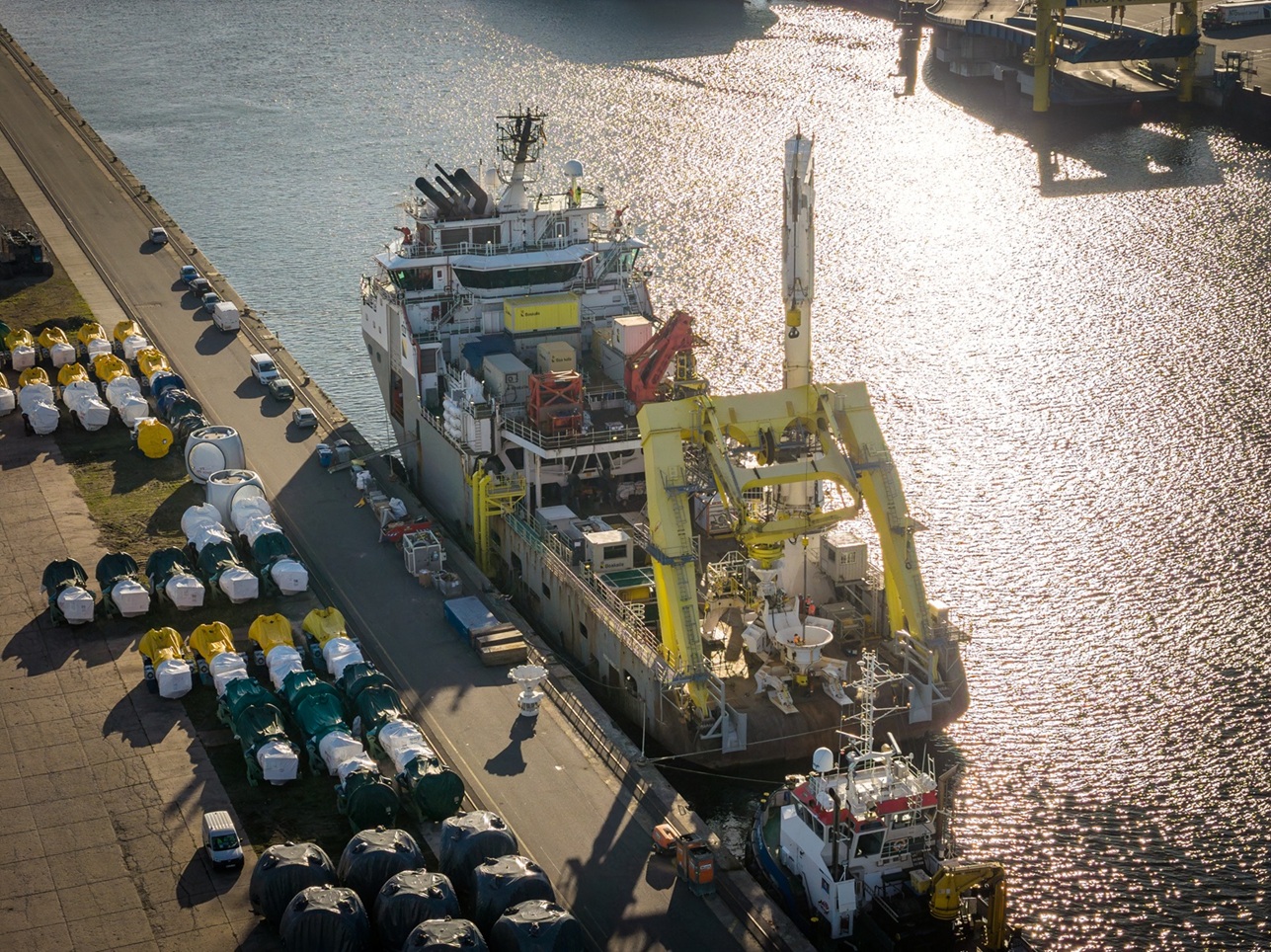
The next stage involved removing large boulders (up to 2 metres) from the inter-array and export cable routes. Using the T-Rex plough, the BOKA Falcon vessel cleared the cable corridors, preparing the routes for cable trenching.
– Completing works on the inter-array cable routes means we are closing a key stage of seabed preparation for the connections between turbines. The quality of trenching and corridor preparation directly affects installation safety and the protection of the cables once they are laid. We are now focusing on the next offshore work package, maintaining the pace and sequence of activities in line with the project schedule – said Ulrik Lange, Vice President and Managing Director of the Baltica 2 project at Ørsted.
– Although we are still ahead of installing the first Baltica 2 components offshore, the works preparing the Baltic Sea seabed for foundation installation and cable laying are already very advanced. After creating the corridors enabling the installation of cables linking the turbines, contractors are moving on to prepare the route for the cables that will export power. Soon they will be connected to the onshore cable section. This will ensure that once Baltica 2 is commissioned, the electricity generated at sea will be transmitted to the onshore substation in the Choczewo municipality, and then into the National Power System – said Bartosz Fedurek, President of the Management Board of PGE Baltica.
Cable trench: preparing the seabed for installation
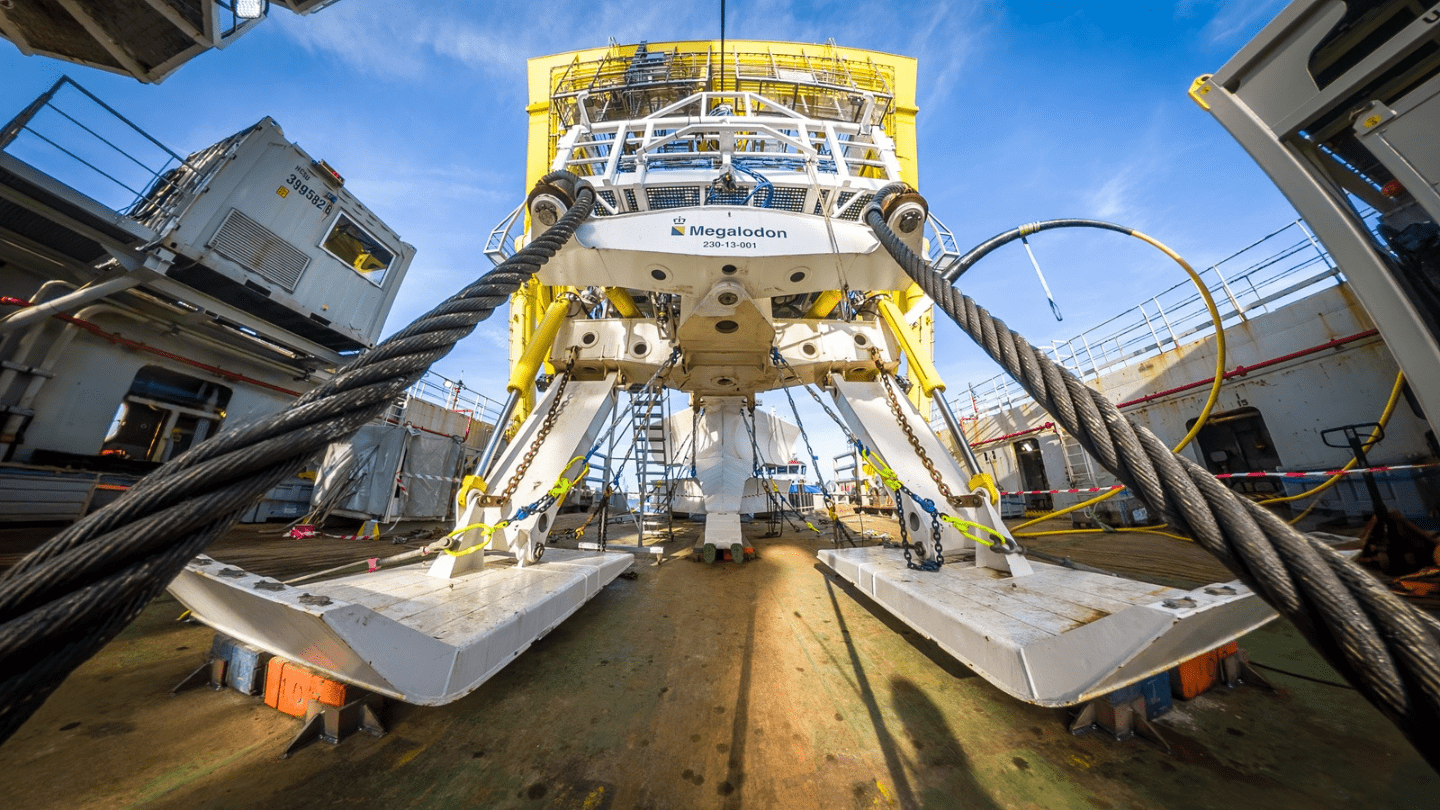
At the end of 2025, cable trenching began using the Megalodon plough. This prepared the seabed so that, after installation, the cables can be laid correctly and protected. The completed part of the campaign covered 150 km of inter-array cable routes. The next stage will include preparation of the 260 km export cable route, ahead of installation to be carried out later by the Ndurance and Boka Ocean vessels, also operated by Boskalis.
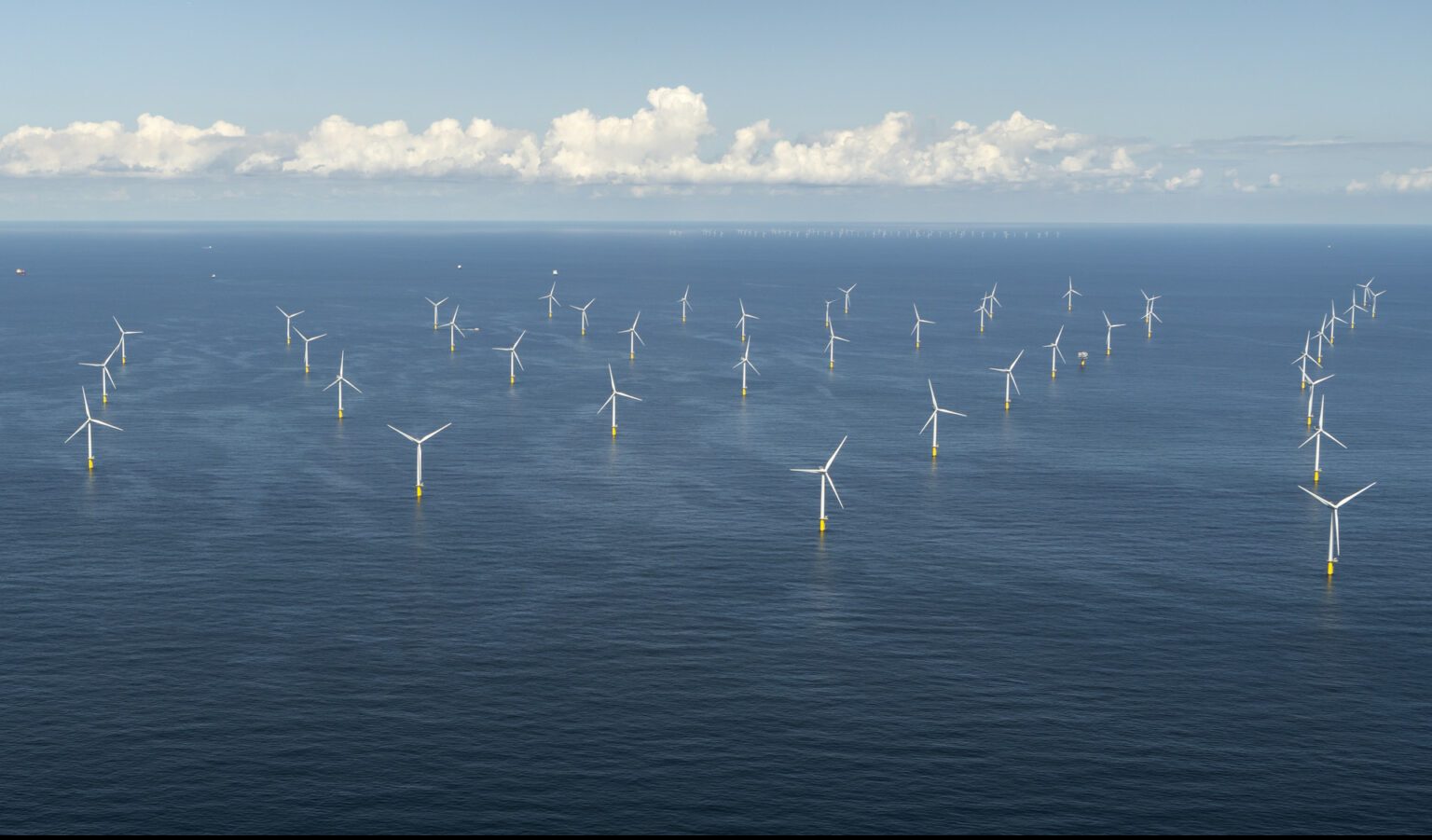
Baltica 2, with a capacity of around 1.5 GW, is a joint investment by PGE and Ørsted. Installation of foundations, export cables and offshore substations will begin later this year. Once these stages are completed, installation will follow of the inter-array cables linking turbine foundations to the offshore substations. Testing of the onshore substation is also scheduled to begin this year. Once commissioned in 2027, Baltica 2 will be the largest offshore wind farm in Poland. It will make a significant contribution to the country’s energy transition, providing clean energy for more than 2.5 million households in Poland.