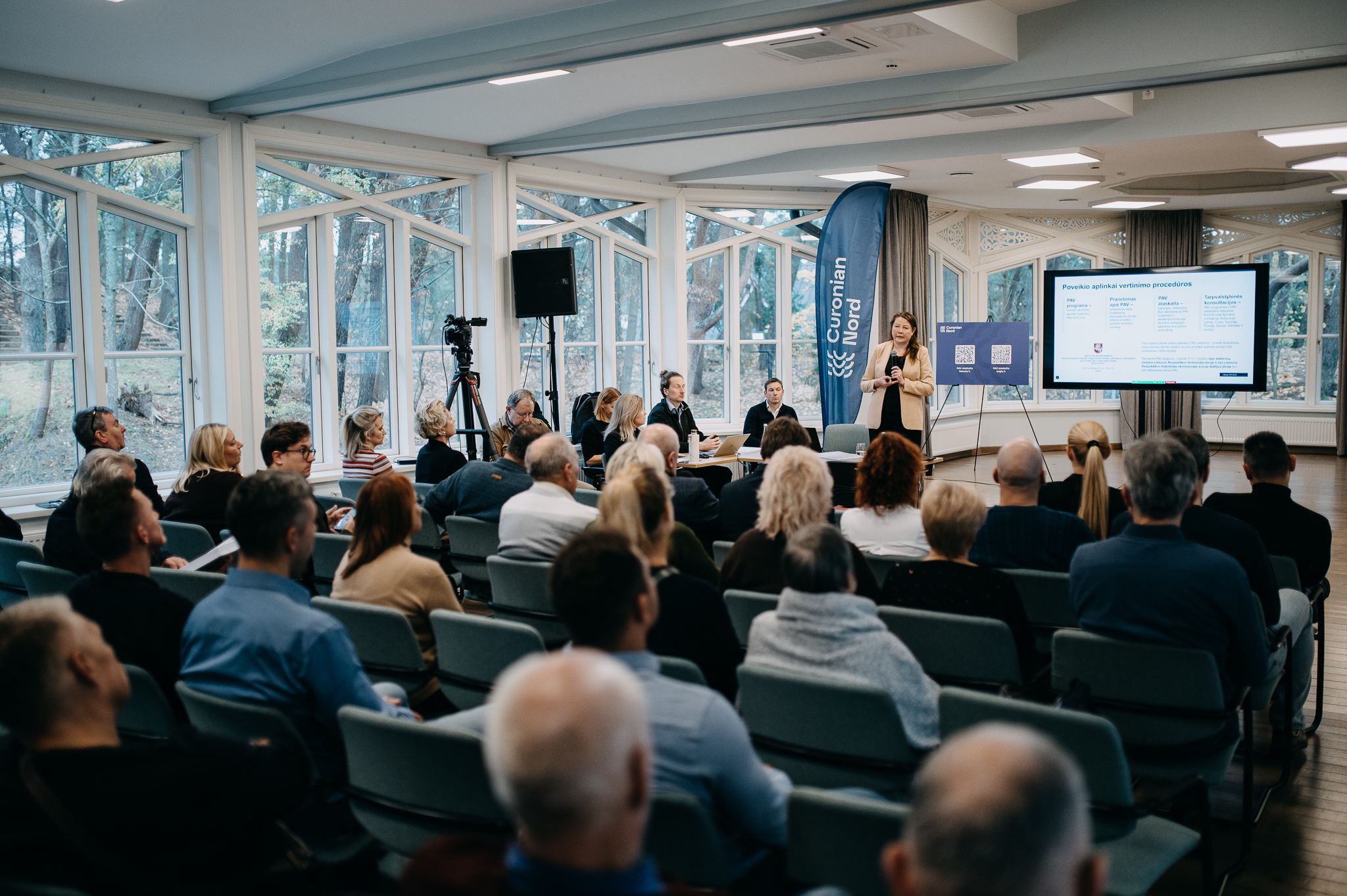
Ignitis Renewables, an international green energy company, has reached one of the most important milestones in the development of the Curonian Nord offshore wind farm by completing the Environmental Impact Assessment (EIA) report. It was presented to the public during the meetings held at the cities of Palanga, Neringa and Klaipėda as well as to the residents of the Klaipėda and Kretinga districts. During the presentations, the communities had the opportunity to learn about the results of the assessment, ask questions and submit their comments.
This stage is one of the most important steps before a decision on issuing a permit to build an offshore wind farm in the Baltic Sea is made. The EIA report was prepared in accordance with the legislation of the Republic of Lithuania and international standards. It’s aimed at evaluating a potential impact on marine ecosystem, biodiversity, landscape, fishery, public health, social aspects and other environmental areas.
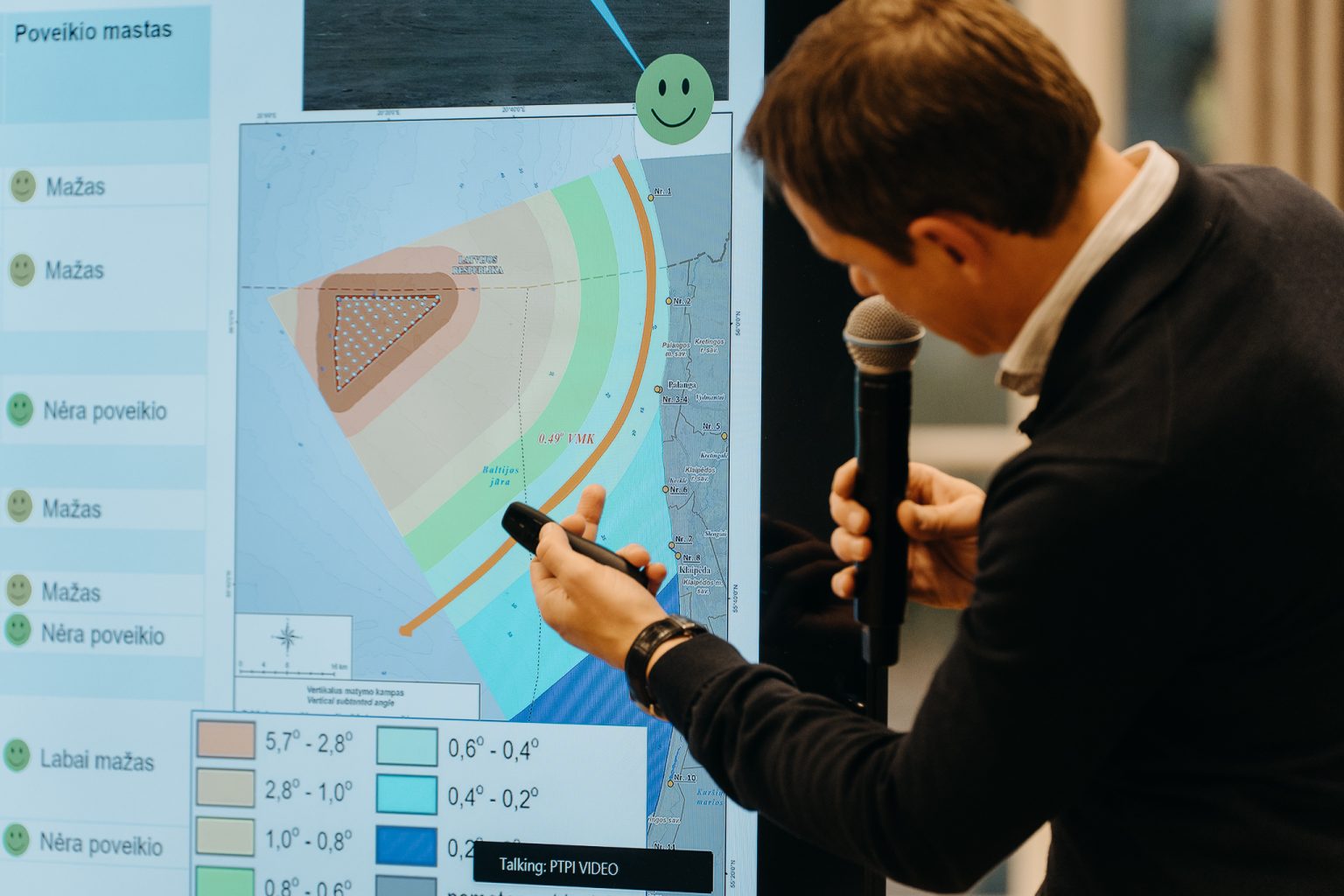
 “It is important for us not only to comply with legal requirements, but also to make decisions based on feedback from the people who live near the project in the future. We see that communities are concerned about both the impact on nature and marine life in the Baltic Sea, as well as practical issues – how the use of the sea will be ensured, whether fishery be allowed, and how the offshore wind farm will contribute to the region’s economy. Such meetings are vital to us because trust can only be built and the best decisions can only be made by talking to each other,” says Lina Žibienė, Head of Environmental and Social Compliance for Renewables at Ignitis Renewables.
Residents were interested in the impact on bird migration and marine mammals, as well as the wind farm’s visibility from the shore and its impact on tourism. The project team, together with the Coastal Research and Planning Institute, who prepared the EIA, presented the research, answered questions and explained what measures would be taken to reduce or compensate for the impact. The decision on the approval of the report will be made by the Environmental Protection Agency after reviewing the comments submitted by the public and based on the conclusions presented by the assessing entities.
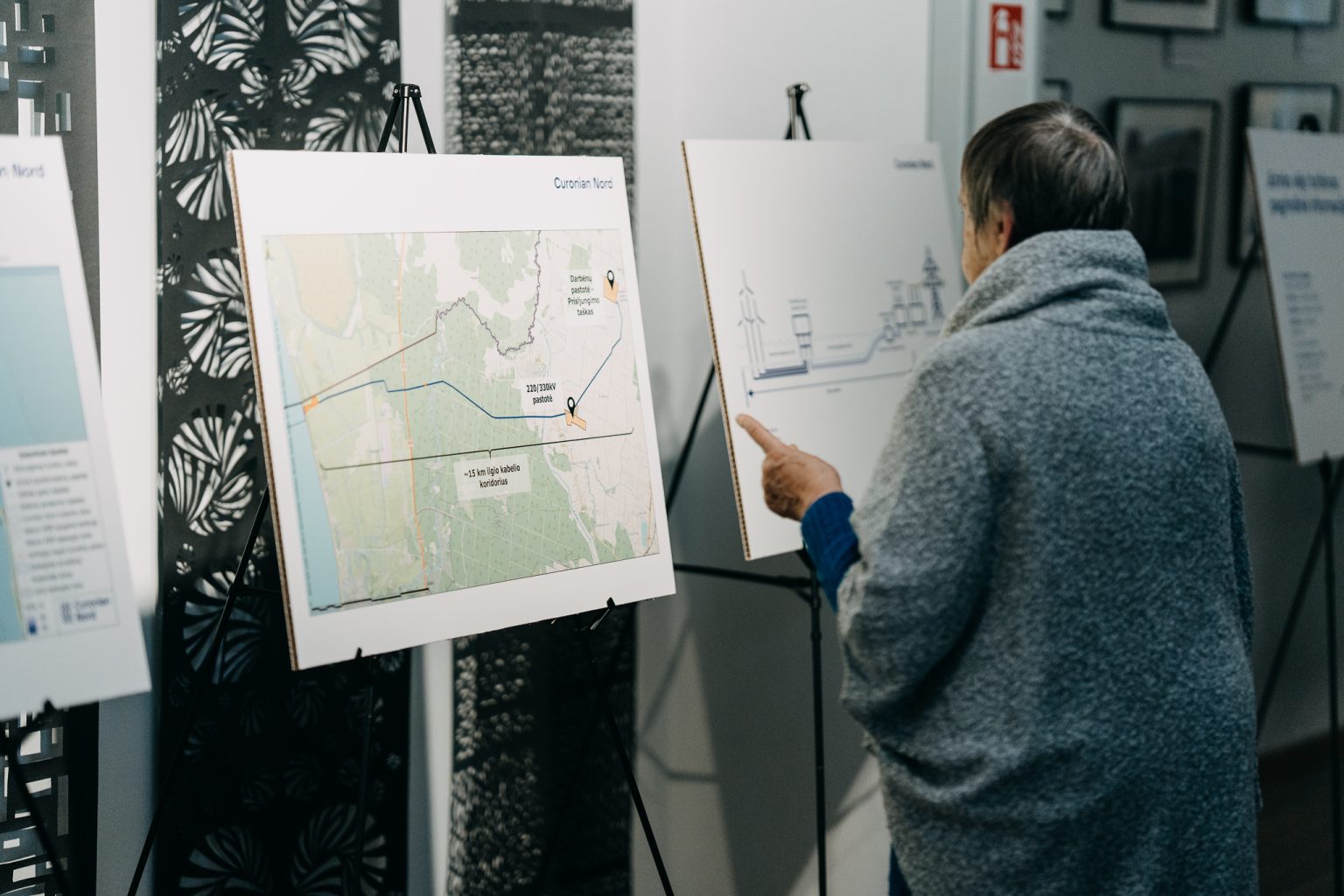
 The EIA report is available to the public, and the comments collected from residents will be incorporated into the further processes of the project. The EIA report is presented not only in Lithuania, but also to the public and authorities of other countries participating in the transboundary environmental impact assessment process. According to the team that prepared the report, the insights of local residents are valuable because they allow for the assessment of not only environmental but also social aspects from the perspective of the local community.
“Offshore wind power is one of the most important measures to strengthen Lithuania’s energy independence. It’s a project that will allow us to generate electricity locally in the Baltic Sea. However, the success of such large-scale projects depends on transparent cooperation with the people living nearby. The more we talk to communities, the clearer it becomes that the future of the energy sector cannot be separated from the people it will affect. We value every question because they help us see the significance of the project from the community’s perspective,” says Žibienė.

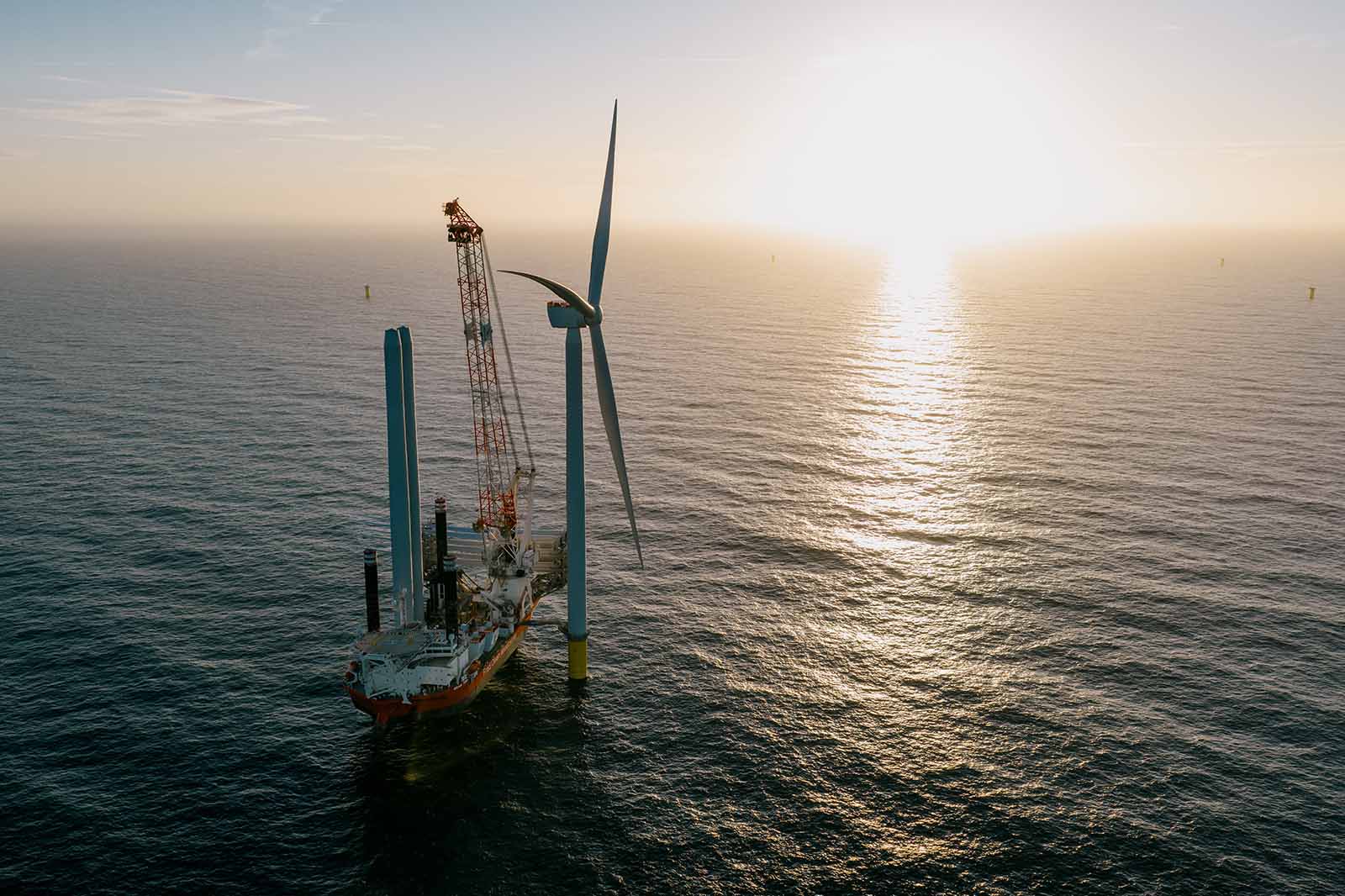
Curonian Nord wind farm will cover an area of about 120 square kilometres in the Baltic Sea and will be positioned least 37 km away from the Lithuanian shores and about 50 km from the Port of Klaipėda. It is estimated that the 700 megawatt (MW) wind farm located in the Baltic Sea could generate around 3 terawatt-hours (TWh) of green electricity per year, which would meet around a quarter of Lithuania’s current electricity demand.
The project is currently in the development stage, and work is being carried out to prepare for a smooth construction stage. At the end of the development stage, when all the necessary permits have been obtained and an external source of financing has been secured, a final investment decision will be made.