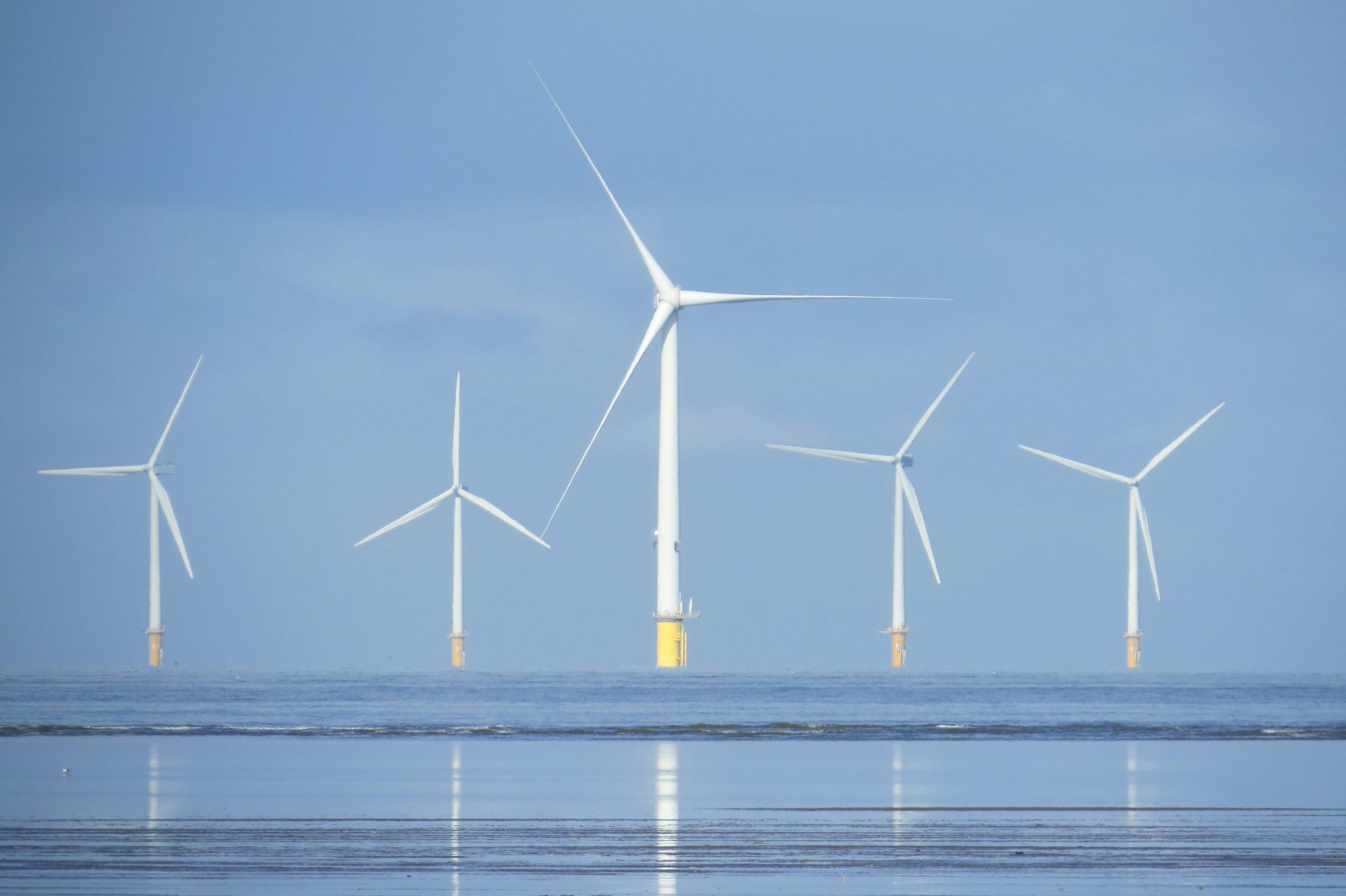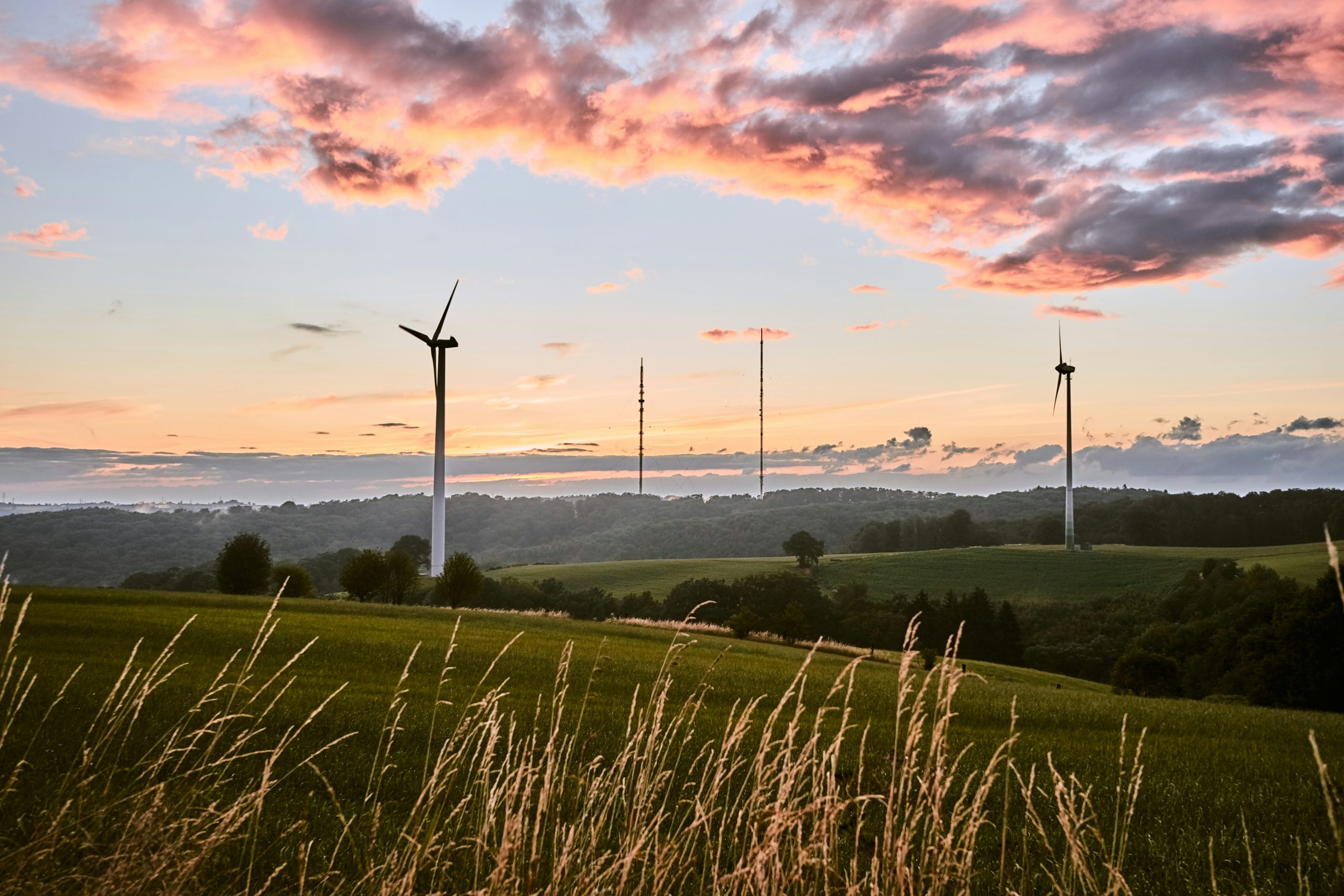
The Chamber of Industry and Commerce for East Frisia and Papenburg (IHK) has criticized the planned distribution of trade tax revenues from offshore wind energy.
New regulation jeopardizes acceptance of the energy transition
“Those who support the energy transition should not be penalized for doing so,” said IHK Chief Executive Max-Martin Deinhard. East Frisia has been making a significant contribution to wind power in Germany for decades and accounts for the majority of active offshore capacity in Lower Saxony. The ports in Emden and Norden-Norddeich, Emden Airport, and regional infrastructure and services are crucial for the operation, maintenance, and logistics of offshore wind farms. “The burdens and costs arise here locally – so it is only fair that the corresponding tax revenues remain in the region,” emphasized Deinhard.
According to current plans, the majority of trade tax from offshore wind farms will go to the city of Wilhelmshaven in the future. Around 110 million euros per year would thus be deducted from East Frisia, of which more than 65 million euros would be distributed throughout Lower Saxony via the municipal financial equalization system.
The Chamber of Industry and Commerce warns that the new regulation jeopardizes acceptance of the energy transition and weakens the ability of the municipalities affected to act. “If funds are withdrawn from the regions that are driving the energy transition forward, there will be no incentive to further expand offshore wind energy,” said Deinhard. This slows down progress instead of promoting it.
Additional statement from IHK Chief Executive Max-Martin Deinhard
“East Frisia is driving the energy transition: our ports, our airports, and our infrastructure secure more than 70 percent of the active offshore wind power in Lower Saxony. We provide what others use – for energy, the economy, and security of supply. But this commitment takes effort. Roads, ports, and municipal services must remain operational at all times. This is demanding, costly, and indispensable. To do this, municipalities need reliable sources of income. Trade tax from offshore wind energy is a fair and effective instrument: those who use the infrastructure also contribute to its financing. For the regional economy, it is incomprehensible that the regions that are making the energy transition possible are to be deprived of these funds. Instead of slowing down the players on the coast, they should be strengthened. The revenues must remain in the municipalities that are driving the expansion. This makes economic sense, is socially necessary, and is politically wise. Those who want more wind power must not take the wind out of East Frisia’s sails.”
Source: IHK