Preparation for the plan began in 2021. The final document provides an overview of how Estonia’s energy sector reached its current state, the steps to be taken leading up to 2035, and a vision for 2050. It also establishes general and sub-objectives and planned activities for renewable energy, gas supply, oil shale energy, as well as heating and cooling.
“ENMAK sets the framework upon which both the public and private sectors can plan their future activities and investments. Market-based development yields the best results; however, should market forces fail to deliver the desired outcomes, we have solutions in reserve, such as measures to ensure dispatchable capacity, financial instruments, or the reduction of bureaucracy,” says Andres Sutt, Minister of Energy and Environment.
According to the Minister, it is vital to remember that our current system, largely based on oil shale, has become outdated and vulnerable, necessitating a new and future-proof solution.
“Estonia already ranks high in several international energy comparisons, which means we are on the right track. Naturally, we cannot rest on our laurels. We must give Estonia a clear course: ensuring security of supply, protecting consumers’ wallets, and moving consistently toward cleaner energy. These decisions are not merely technical; they will shape Estonia’s economy and society for the next decade and beyond,” the Minister adds.
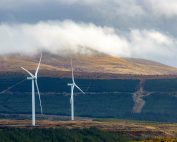
The focus of ENMAK is to ensure a diverse production portfolio so that the Estonian electricity system is reliable and resilient at all times. In addition to the skillful use of local, affordable clean energy sources (such as wind and solar with storage solutions), we must ensure that there is sufficient controllable capacity in Estonia. New controllable capacity is needed, because most of the existing and oil shale-based controllable capacity is old, unreliable and not competitive on the electricity market.
The transition to clean energy is one of the sub-goals of the development plan. The ambition to reach 100% renewable electricity consumption remains, but this will be achieved on a market-based basis at a time when production technologies are competitive without operating subsidies, which is projected to happen in the 2030+ period.
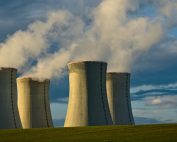
The development plan leaves open, among other things, the possibility of introducing nuclear energy in the future. For Estonia, it is primarily important to ensure that we are able to produce energy in sufficient volume to cover our needs. We are well connected to our European Union neighbors and, at a time when production in Estonia is more expensive, we can import cheaper electricity. It is important that one solution or another is our own choice.
In the district heating sector, a direction is set to harmonize prices and renew district heating systems and gradually introduce new efficient technologies, such as heat pumps and heat storage. In the gas sector, a goal is set to increase the share of renewable gas to a third of gas consumption by 2035. The development of the transport sector is guided in more detail by the “Transport and Mobility Development Plan 2021-2035”.
ENMAK 2035 has been prepared during a thorough preparatory process: conducting basic research, conducting working groups, several consultations and engagements to supplement the draft, and a proper strategic environmental impact assessment.