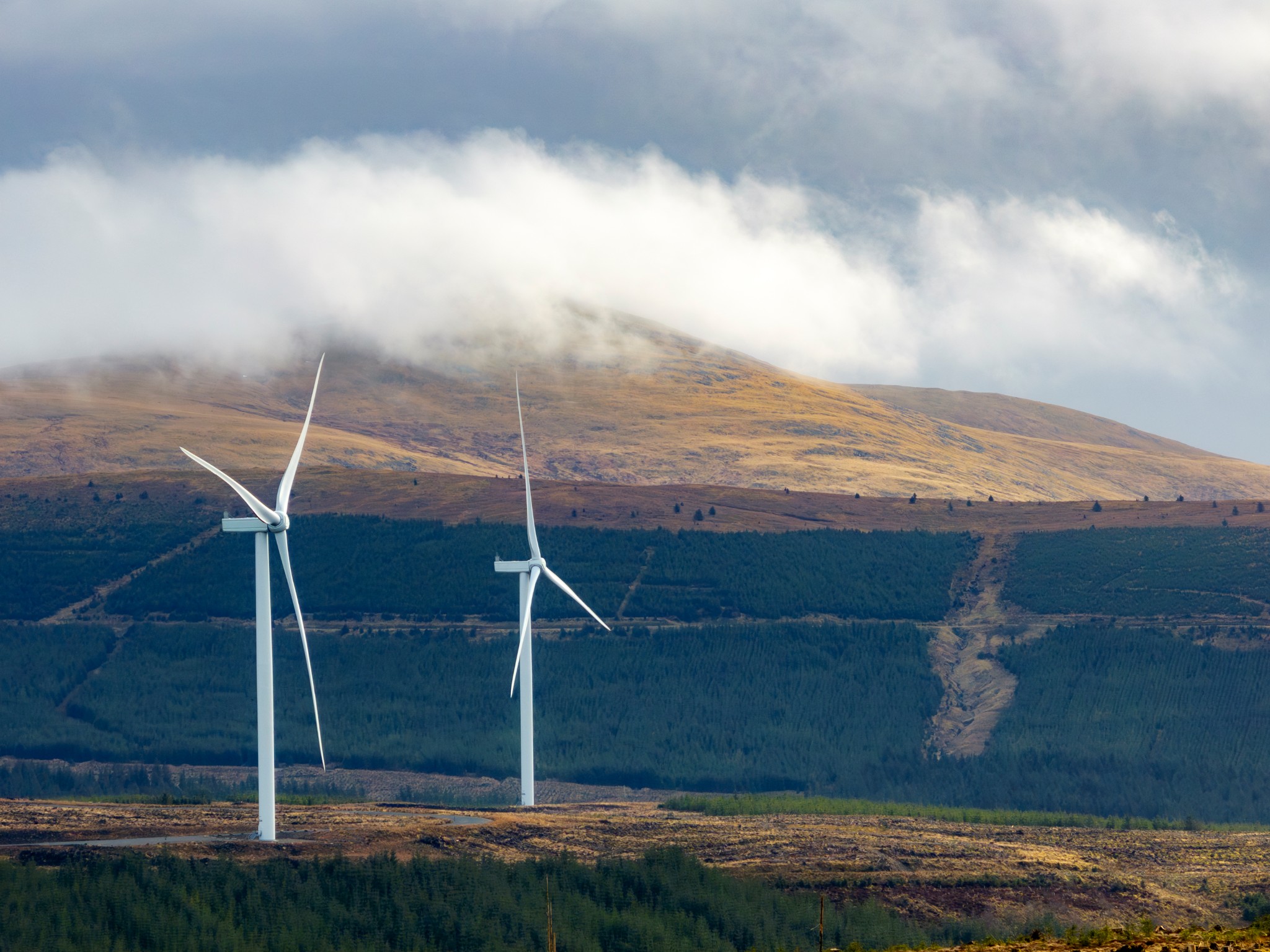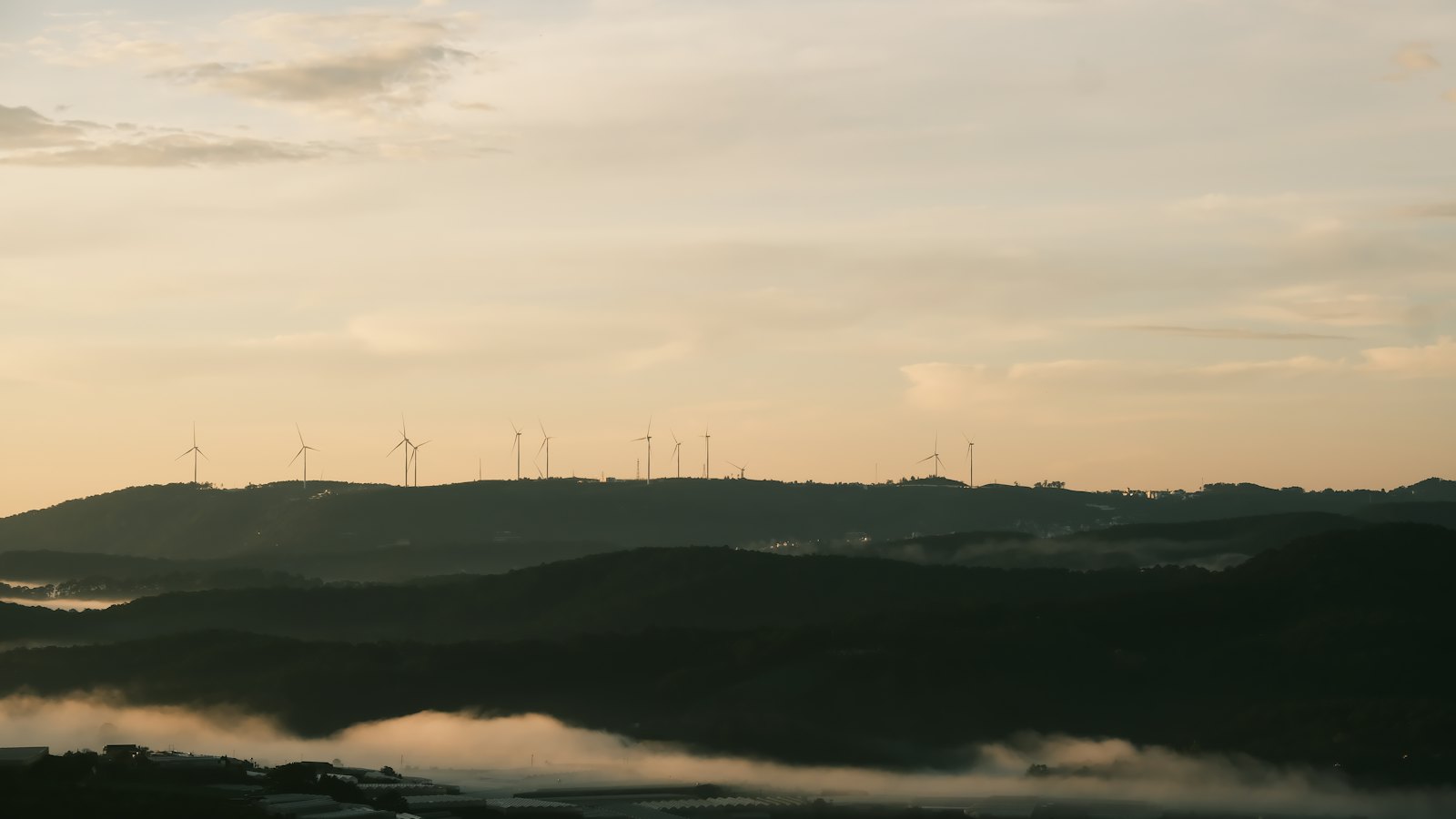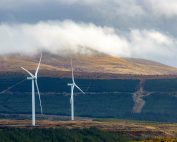
Wind energy has grown to become a key feature of Europe’s energy system. Wind farms underpin our energy security, generating 20% of all electricity consumed in Europe. They are critical energy infrastructure. In a changing threat environment, Europe needs to ramp up the physical protection of its wind energy infrastructure.
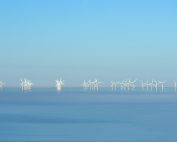
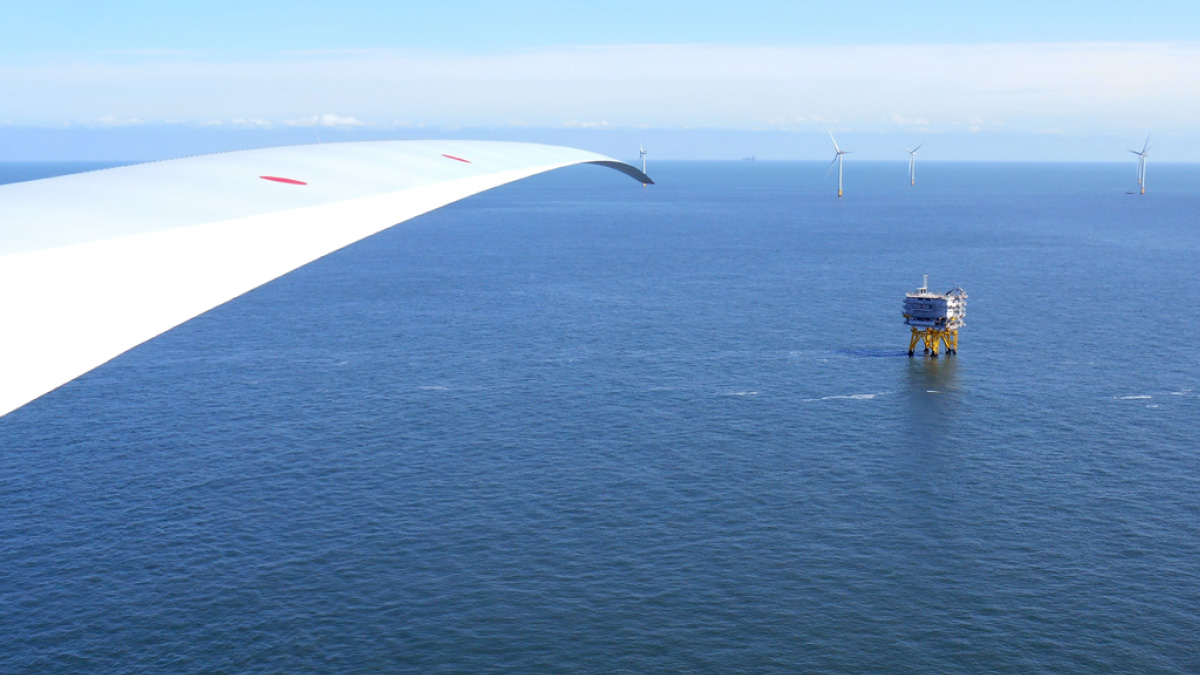
Today WindEurope presents a new policy paper on the physical security of offshorewind energy infrastructure. This comes as the physical threat environment is changing. Across Europe’s seas, energy infrastructure is increasingly exposed to sabotage, interference and hybrid activity.
Export cables, substations and offshore wind assets are spread over large maritime areas and are, by nature, difficult to protect. Disruptions would not just affect single projects. They would impact grids, industry and households.
At the North Sea Summit in Hamburg, Governments agreed that protecting offshore wind farms is no longer optional — it is a shared European responsibility requiring coordinated governance, situational awareness and clear funding frameworks.
“The European wind industry is doing its part to protect offshore wind farms. With the new policy paper, we stress that the physical security of Europe’s wind turbines must be treated as an integral part of energy security. Not as an afterthought. Wind turbines are critical energy infrastructure. Their protection needs a risk-based, proportionate and clear cost allocation between Government and industry”, says WindEurope CEO Tinne van der Straeten.
A civilian, proportionate andrisk‑based approach to physical security
Physical security for wind energy infrastructure should be integrated in early project design. And it should be implemented through stable regulatory and permitting frameworks, not be dealt with through auctions. Security is an imperative, not a competitive space.
Wind farms are and must remain civilian assets. This means they should not be militarised. Offshore wind operators are not security actors. States retain responsibility for defence, response and enforcement. Offshore wind developers are responsible for asset‑level protection, with public co‑funding where security measures also support wider national security. Developers’ role is to detect, document and report abnormal activity.
Uncoordinated regulatory changes to this balance would have a critical impact on the bankability of offshore wind.
Protecting Europe’s wind turbines is about deterrence through detection, proportionate and risk‑based measures, and clear coordination with public authorities. Risk-based means based on transparent, site-specific threat and risk assessments, and defined early in the project lifecycle to strengthen resilience without undermining competitiveness, bankability or deployment pace.
Wind energy is strategic and critical infrastructure. Its physical protection is a prerequisite for energy security. In an increasingly uncertain world, Europe can only keep the lights on with early planning, clear governance and close cooperation between industry and public authorities.
Source: WindEurope