Five European Transmission System Operators (TSOs) from Belgium, Denmark, Germany, and the Netherlands signed a Memorandum of Understanding (MoU) at WindEurope’s Annual Event in Madrid. Their intention is to enhance the affordability, efficiency, and reliability of the future electricity system by boosting cooperation on offshore cable infrastructure in the North Sea. The signing of this MoU marks the start of a joint European effort to further strengthen the structural robustness of the critical infrastructure needed to make the energy transition happen. The initiative is open to other transmission system operators within the Offshore TSO Collaboration group (OTC), who may join the five participating TSOs later.
Offshore cables as a crucial link in the energy system
As the volume of offshore wind energy increases and countries become more connected via interconnectors, the high-voltage cables on the seabed are becoming an increasingly important link in Europe’s electricity supply. These are complex and strategic assets, vital to the reliable transmission of renewable energy to the mainland. Incidents or prolonged interruptions can put the system under pressure and may have both social and economic impacts.
Joint efforts to make the system more robust
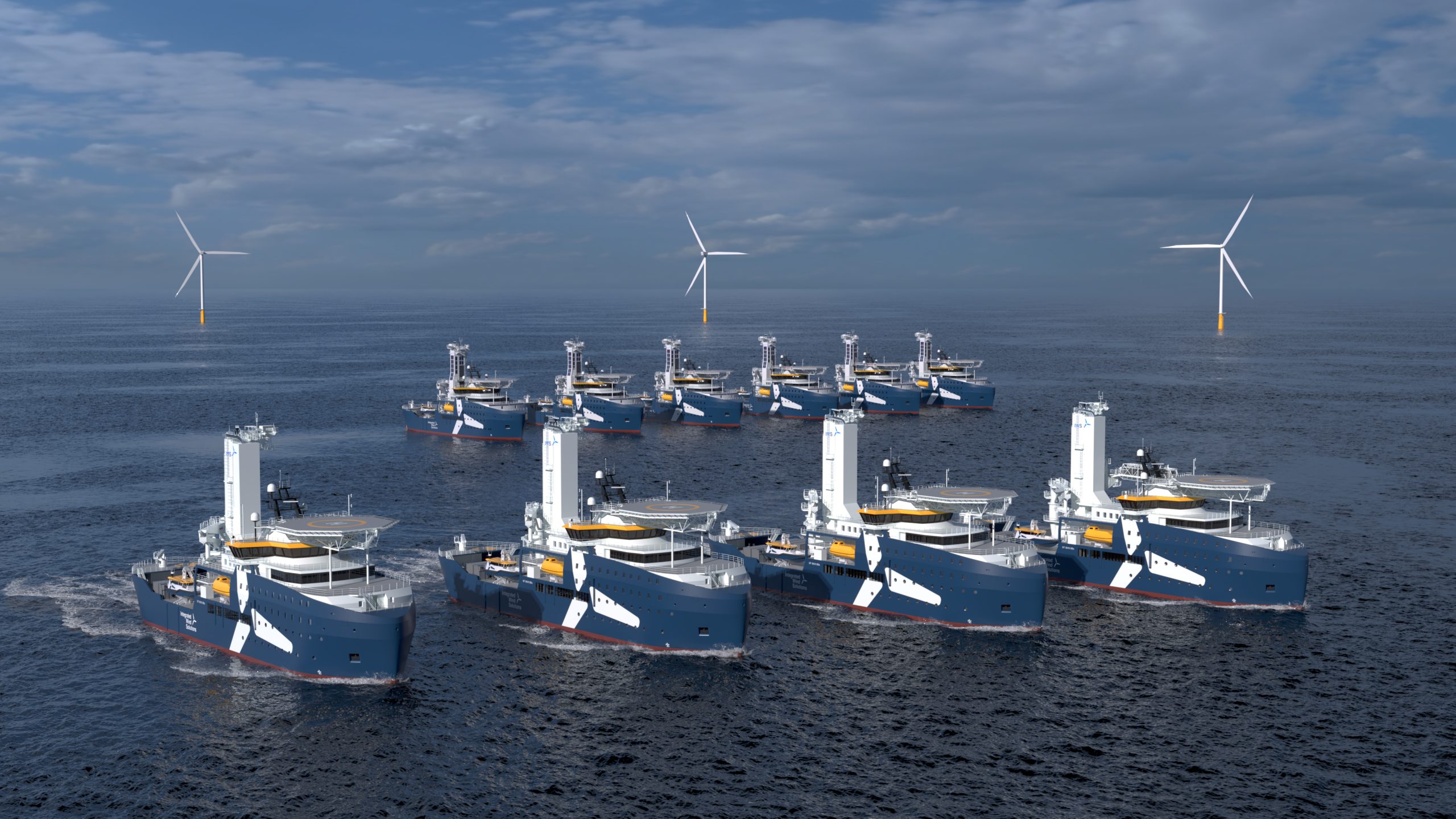
By signing the MoU, the five TSOs – Elia (Belgium), Energinet (Denmark), 50Hertz (Germany), and TenneT (Germany and the Netherlands) – commit to investigating, for at least one year, the exchange of strategic and technical approaches. By sharing knowledge of repair procedures, spare parts, and fault detection, and by jointly mapping the available vessels, materials, and technical capabilities, the parties want to evaluate possible efficiency gains and joint potentials. The desired result are faster, more efficient repairs with less impact on the system and the associated costs.
Structured cooperation in thematic working groups
This cooperation will take shape through four thematic working groups, focusing on repair logistics, spare parts and equipment, fault detection, and the legal/financial framework, respectively. Each of these topics plays a key role in limiting the downtime of cable systems. By jointly investigating which solutions are scalable, and how the deployment of resources can be optimised, the TSOs are laying a foundation that combines technical efficiency with clear added value for society.
Outlook
The signing of the MoU in Madrid marks the starting point of a process that will continue to take shape in the coming months. If the feasibility phase confirms that a joint approach offers significant benefits, the initiative can develop into sustainable and structural cooperation. The initiative is open to other transmission system operators within the OTC group, which may choose to join at a later stage.
On behalf of all CEOs signing this MoU:
“Submarine cables are part of common critical infrastructure between TSOs, and that makes cooperation not just beneficial, but essential. By working closely with our neighbouring TSOs and the stakeholders closest to the North Sea infrastructure, we can share practical experience and use resources more efficiently. This initiative strengthens the robustness of critical infrastructure and supports a secure and reliable electricity supply.”
Steffan Ladegaard Morrison, Senior Director Asset, Energinet.