Three years ago the jetty at Łeba was a public promenade. Today it is the operational heart of Poland’s first offshore wind farm, and within a few years it becomes something rarer still: a working industrial site with a three-decade job to do.
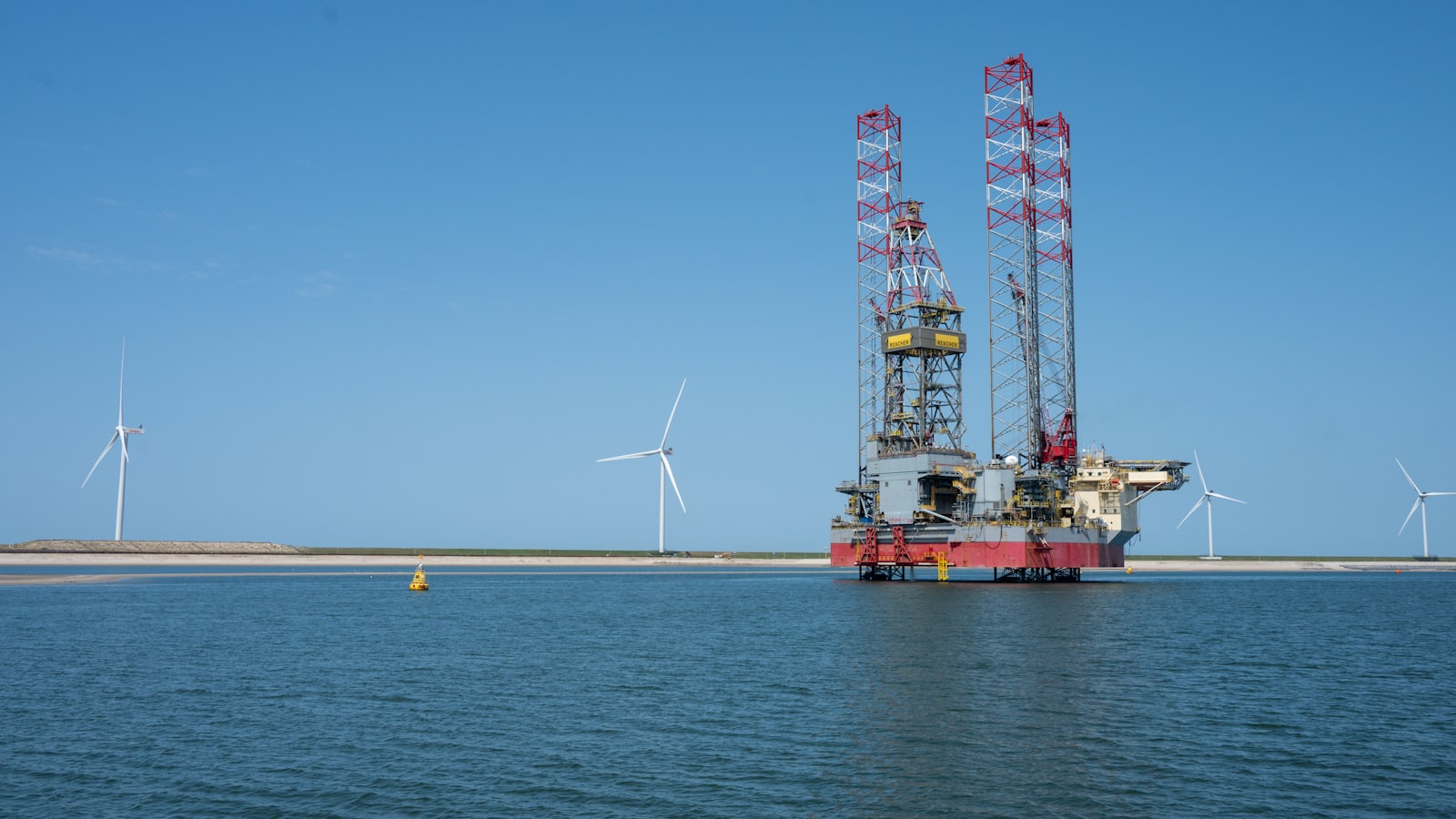
The Łeba service base has been supporting Baltic Power’s installation campaign since spring 2025, coordinating a fleet of around 80 ships and some 4,500 crew members and contractor representatives. Up to 20 vessels work daily across a marine area of more than 130 square kilometres, with crew transfer vessels leaving the quay every day. That tempo is temporary. Offshore construction is scheduled to finish in the second half of 2026, and the base is already being reorganised for roughly 30 years of operations and maintenance.
What the operations phase actually looks like
The steady-state headcount is smaller than the construction peak but permanent: around 40 Baltic Power staff at Łeba plus more than 50 contractor personnel. The first operational roles advertised give a fair picture of the work — Marine Coordinator, Site Operation Lead and Operational Controller based at the coast, with Performance Engineer and Contract and Risk Manager positions in Warsaw. It is a mix of marine logistics, asset performance and commercial management rather than the heavy civil and installation trades that dominated the build.
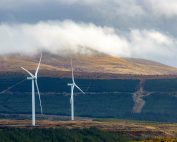
Baltic Power, a joint venture between ORLEN and Northland Power, has a capacity of about 1.2 GW and is expected to produce roughly 4 TWh a year — enough for more than 1.5 million households, or around 3 per cent of Poland’s current electricity demand. Over a 30-year operating life, the cumulative spend on keeping that output flowing is comparable in significance to the capital cost of building it.
Why O&M decides project economics
The industry has become noticeably more direct about this. Janusz Bil, President of the Management Board of ORLEN Neptun, has pointed to the adjacency of the Baltic East project to Baltic Power as a source of operational synergies precisely because O&M "is playing an increasingly important role in the overall value of offshore projects". Baltic East won its auction slot at PLN 476.88/MWh, with first power assumed for 2032; access to proven processes and existing infrastructure, Bil argued, is part of what makes a price at that level defensible.
Read against that, Łeba stops looking like a single project’s back office and starts looking like the anchor of a cluster. A second farm next door shares the same weather window, the same quay, much of the same supply chain and potentially the same crews. The economics of a service base improve sharply once it serves more than one asset.
The ecosystem forming around the base
Crew logistics have already moved beyond vessels alone. NHV has been running crew changes for Baltic Power with an Airbus H175 from the General Aviation Airbase at Gdańsk Lech Wałęsa Airport since July 2025 — the first deployment of a super-medium helicopter for offshore wind operations in Poland. Helicopter transfer cuts transit times by a factor of six to ten against conventional vessel transport and extends the weather window in which technicians can reach turbines. As farms move further offshore and turbines grow, that capability shifts from a nice-to-have to part of the base case.
Documentation is following the same path. Digital vessel logbooks have been gaining formal regulatory acceptance in other markets, and for crew transfer and maintenance fleets serving Baltic installations that matters: compliance paperwork scales badly when a base is dispatching vessels daily for decades.
The workforce question
The binding constraint on all of this is people, not steel. Poland’s Ministry of Energy has been standardising professional qualifications across the power sector through expert teams under the Integrated Qualification System, covering areas from energy storage installation to photovoltaic diagnostics and the maintenance of overhead and cable lines. The intent is to make certification legible to employers and to make specialists mobile across the European market. Offshore O&M competes for that same pool, and it competes against onshore wind and solar service contractors who are expanding their own portfolios.
A 30-year neighbour
A permanent industrial operation also means a permanent relationship with the coastal towns around it. Baltic Power has run a Transitional Compensation Scheme for owners of fishing vessels that worked the affected squares between 2018 and 2023, with information points and meetings in Łeba, Ustka and Władysławowo, and a second round of payments building on the first. The scheme is explicitly temporary, designed to bridge the gap until national rules on fishing-sector compensation are in place. What is not temporary is the presence itself.
The question worth watching is whether Łeba consolidates into a genuine multi-project O&M hub, or remains a single-farm base with a helicopter link. The auction pipeline points towards the former. The decisions that settle it — where the second and third farms put their service bases, whether crews and vessels are shared, whether training capacity is built locally — are being taken now, while the construction fleet is still on the water.