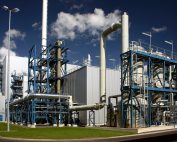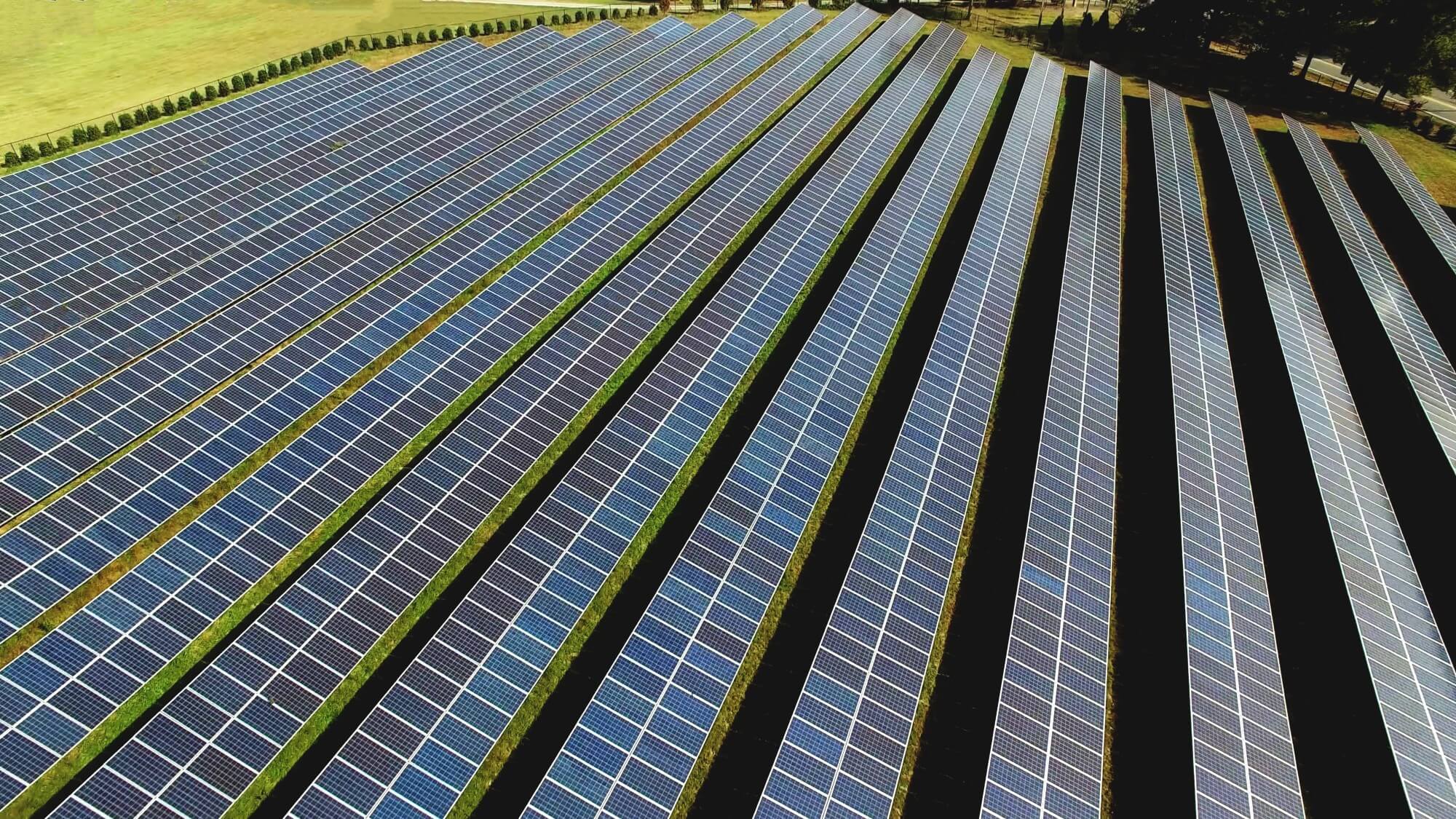
The renewed rise in oil and gas prices is feeding global inflation and has put Europe’s dependence on imported fossil fuels back on the agenda. Germany’s Internationales Wirtschaftsforum Regenerative Energien (IWR), a Münster-based research institute, argues that domestic wind and solar power combined with battery storage is the most effective protection against price shocks, and criticises the federal government’s plan to subsidise new gas-fired power plants that would trade on the wholesale market.
The institute’s intervention follows the European Central Bank’s decision of 10 September 2026 to raise its key interest rates by 0.25 percentage points, explicitly citing persistent inflationary pressure from the conflict in the Middle East. “The price drivers have a name: fossil fuels. The best protection against inflation is the transformation from oil and gas to electricity from domestic renewables in combination with energy storage,” said IWR managing director Norbert Allnoch.
IWR’s case rests on how the power exchange sets prices. Under the merit order, plants are ranked by their bids and the last plant needed to meet demand sets the price for everyone. At the current TTF gas price of around EUR 80/MWh, a gas plant with 50 per cent electrical efficiency faces fuel costs alone of roughly EUR 160/MWh of electricity, or 16 cents per kWh, before CO2 and other variable costs. When solar and wind push such plants out of the merit order, a cheaper bid sets the price. IWR points to sunny days, when exchange prices fall sharply towards midday as solar output rises and climb again in the evening, as evidence that the decoupling from fossil fuels is already visible.
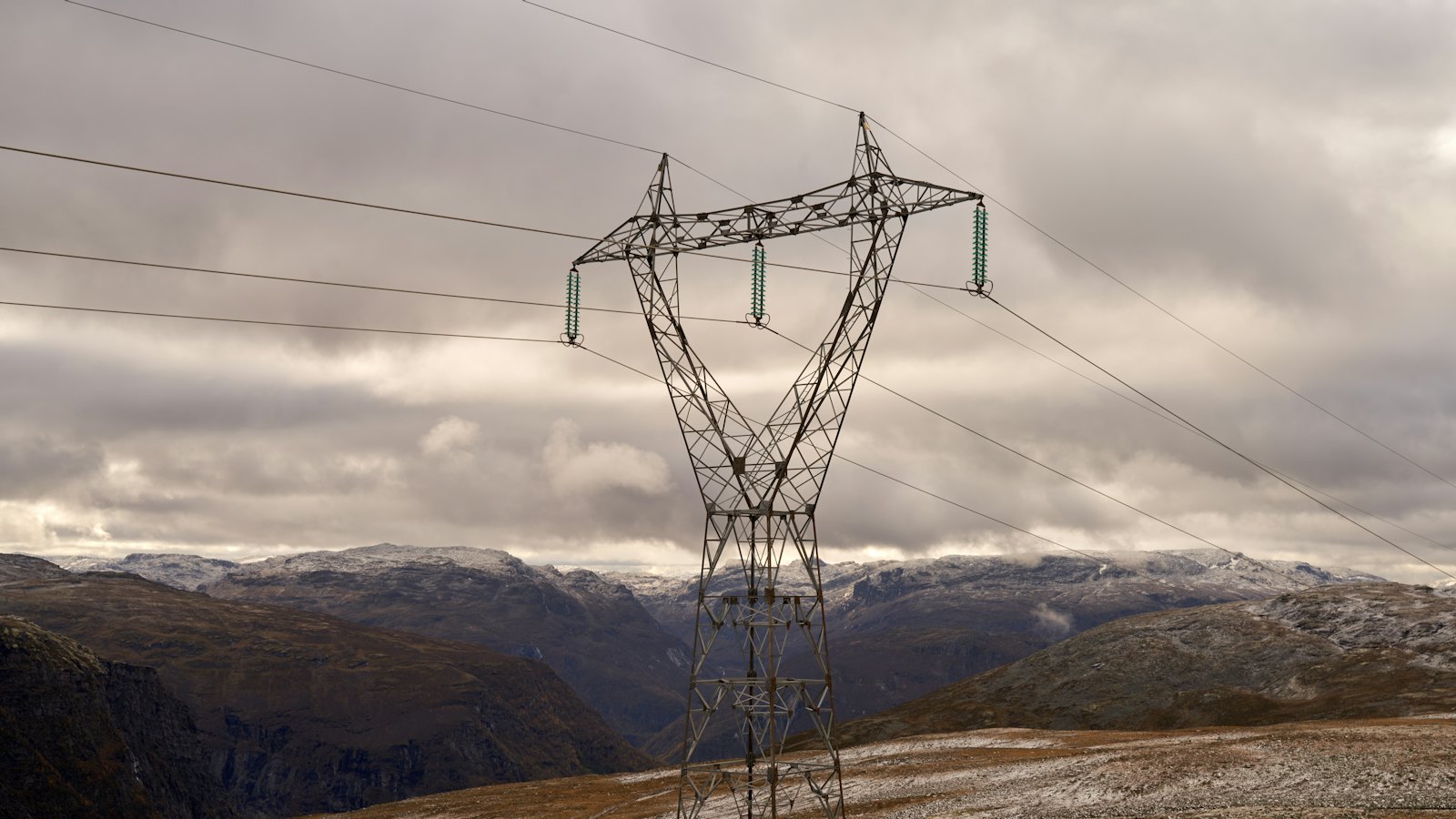
The institute also takes issue with the argument that cheap midday power is a symptom of grid overload. Exchange prices and grid congestion are separate matters, it says: according to the Bundesnetzagentur, more than 96 per cent of renewable electricity generated in 2025 was fed into the grid and delivered to consumers. The north-south transmission links Ultranet (2,000 MW), A-Nord (2,000 MW), SuedLink (4,000 MW) and SuedOstLink (2,000 MW), due by 2028, will add further capacity between renewable generation centres and demand centres.
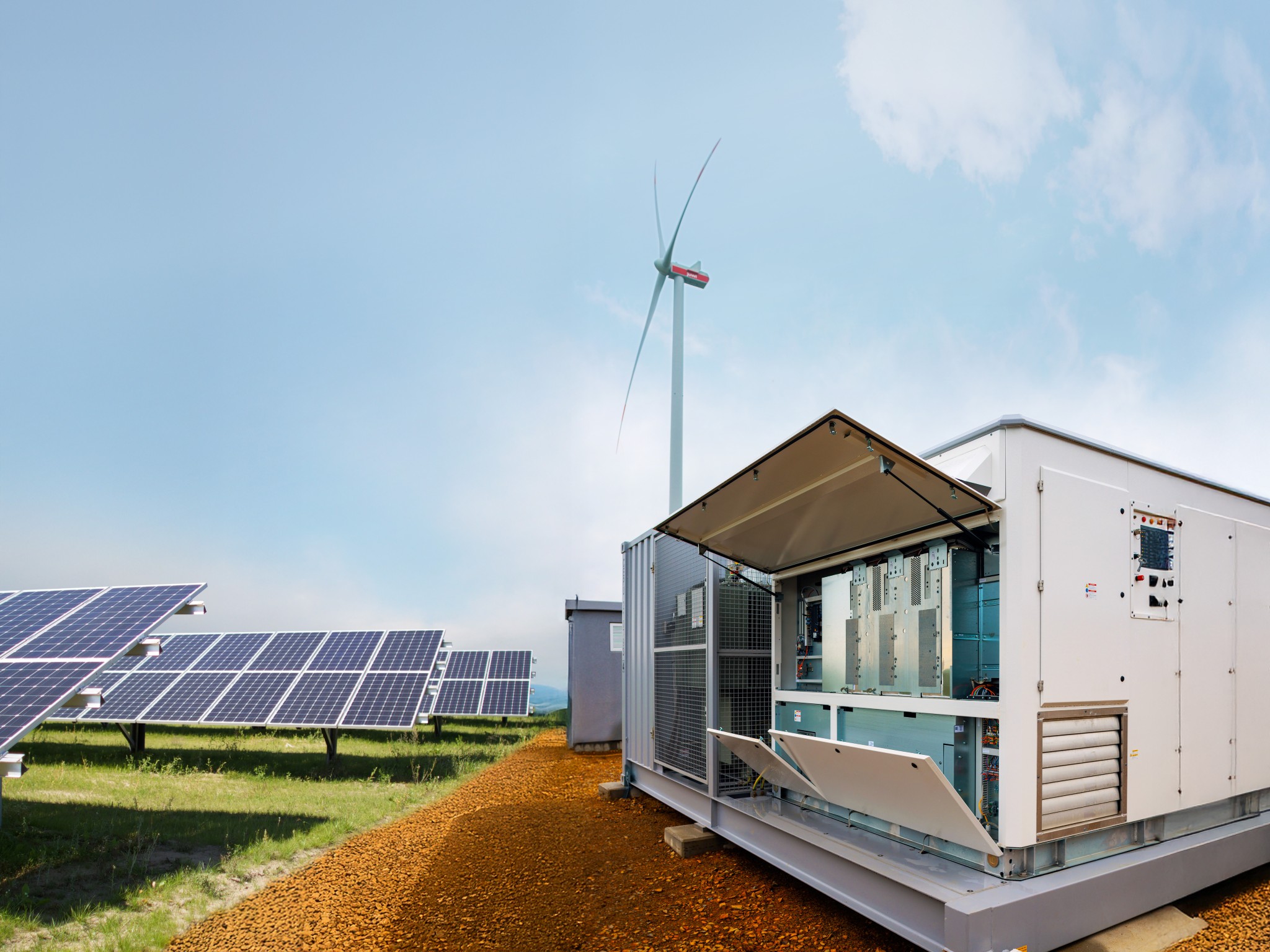
Battery storage extends the effect over the day, IWR argues. Storage operators buy electricity in the cheap midday hours and sell it in the more expensive morning and evening hours, raising demand when prices are low and adding supply when they are high. Both movements push expensive gas plants further down the merit order and reduce the influence of international gas prices on German exchange prices.
Against that background, IWR sees the government’s power plant strategy as a risk. Subsidised gas plants on the planned scale, which would be free to participate in the market rather than being held purely as reserve, become an additional electricity price risk whenever gas is expensive, because their fuel costs feed straight through the merit order. “A permanently competitive electricity price level is of central importance for the German economy. That goal contradicts a market design in which expensive fossil plants frequently set the exchange price,” Allnoch said. The institute’s recommendation is to focus on further wind and solar expansion combined with privately operated battery storage.
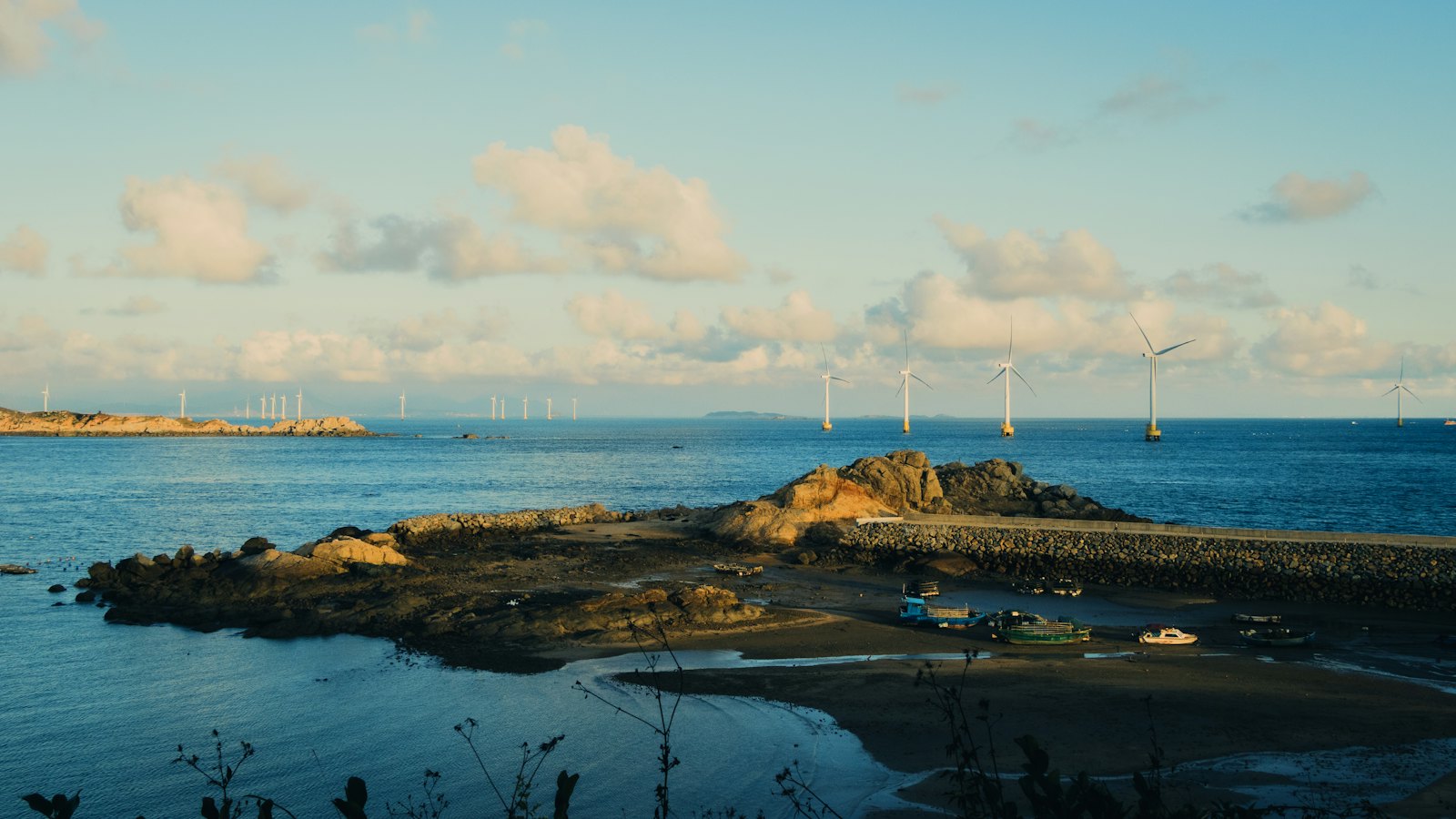
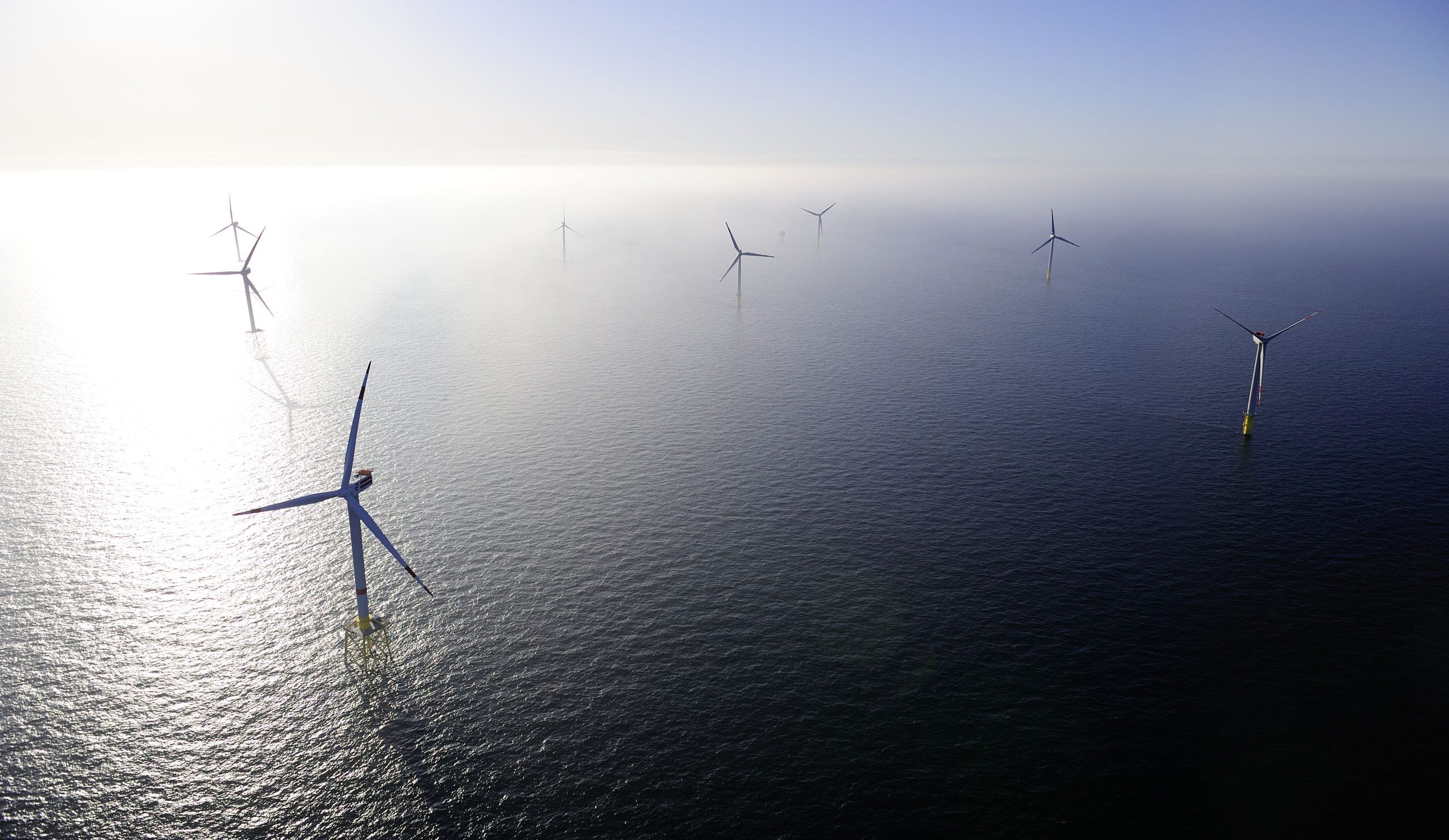
The argument carries weight beyond Germany. Poland and the Baltic states remain exposed to the same imported gas prices, and the Baltic Sea offshore wind projects now under construction are, on IWR’s reasoning, as much an inflation hedge as a climate measure.