WindEurope urges EU not to reopen Birds and Habitats Directive
WindEurope says reopening the EU Birds and Habitats Directives would bring legal uncertainty and delay wind projects, and published 40 case studies on wind and biodiversity.


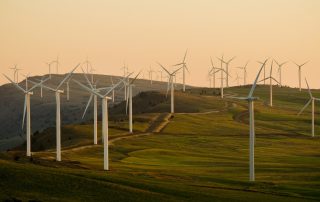
WindEurope says reopening the EU Birds and Habitats Directives would bring legal uncertainty and delay wind projects, and published 40 case studies on wind and biodiversity.
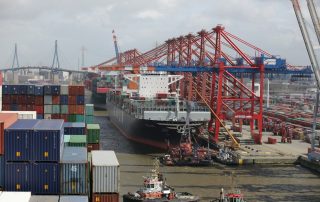
SRC Group has appointed Innovation Manager Alex Vainokivi as Managing Director of SRC Estonia, succeeding founder Hannes Lilp in day-to-day management.
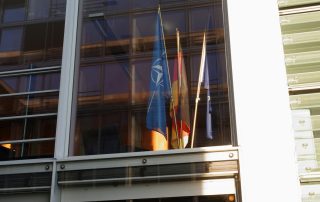
NATO's top commander in Europe told the Warsaw Security Forum the alliance is ready to fight if attacked, while stressing he does not see conflict as imminent.
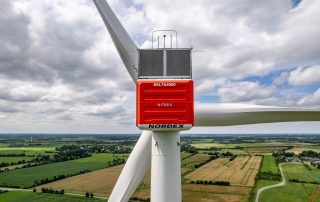
Nordex booked 2,810 MW of orders in the third quarter, with Turkey, Germany and the US the strongest markets.
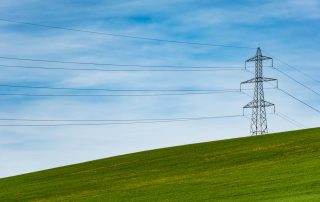
Belgium's Walloon government has chosen a preferred corridor for Elia's Avelgem–Courcelles line. A public inquiry follows in early 2027, with commissioning targeted for 2032-2033.
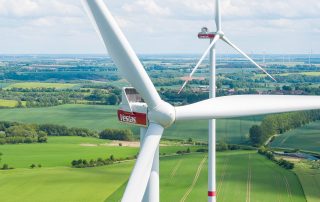
JUWI has sold the 24 MW Gyhum wind farm, under construction in Lower Saxony, to a Union Investment fund. Commissioning is expected in early 2027.
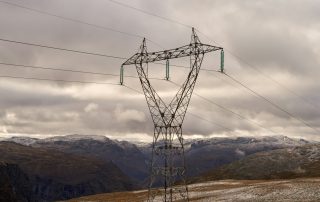
The topsides and jackets of OSS Zingst and OSS Darß have left Schiedam and Vlissingen for the German Baltic Sea, linking the 927 MW Gennaker wind farm to 50Hertz's grid.
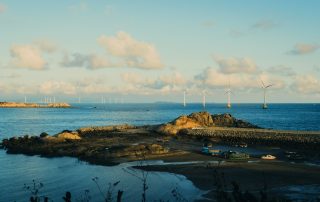
Ørsted has published a report on its 15 years in Poland, covering the supply chain, jobs and skills, port investment and the role of offshore wind in regional economies.
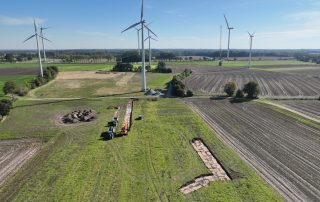
VSB has started building the 18 MW Liethe-Lehmden repowering project in Rastede, Lower Saxony, where three Vestas V150 turbines will replace four 0.9 MW machines by late summer 2027.
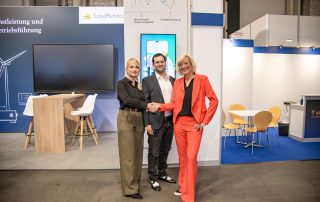
Landwind and Light:Guard have agreed a three-year framework contract for demand-controlled night-time marking on about 130 turbines in more than 20 German wind farms.
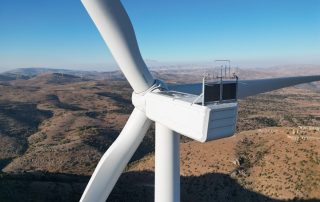
Nordex Group has received orders totalling 389 MW in Türkiye for 56 Delta4000 turbines, with commissioning planned in stages from 2027 to 2028.
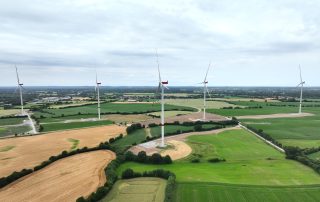
Energiequelle has commissioned five Nordex N149 turbines totalling 28.5 MW at Loop and Schönbek in Rendsburg-Eckernförde, with a bird-protection shutdown system and local revenue-sharing.
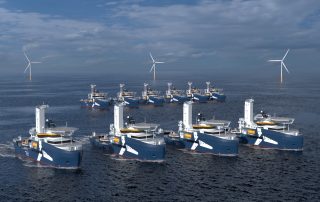
MacGregor has won an order to fit motion-compensated cranes and gangways on four CSOVs for IWS Fleet, due for delivery in 2029 and 2030.
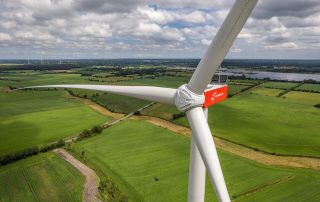
Nordex Group has won orders for 35 turbines totalling about 228 MW in several European countries, with service contracts of up to 25 years. Customers were not named.
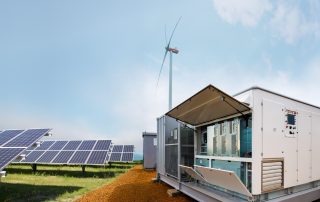
JUWI has won operation and maintenance contracts for six battery storage projects of 4 to 100 MWh. Its serviced storage portfolio rises to about 700 MWh.
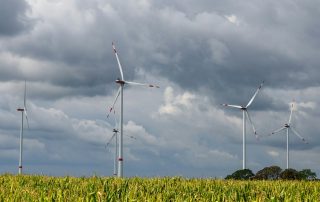
European Energy has agreed to sell the 21 MW Myślibórz onshore wind project in north-western Poland to TAURON. The six-turbine project is ready for construction.
Ignitis grupė's Supervisory Board has approved Vytenis Koryzna as final CEO candidate; his election awaits background checks. He would succeed Darius Maikštėnas in March 2027.
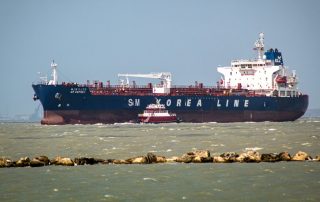
Around 48 US Marines will support NATO's Baltic Sentry with surveillance and reconnaissance alongside Finland's Coastal Brigade, to help protect undersea infrastructure.

Boskalis will install about 149 km of 66 kV inter-array cables linking 69 turbines at phase 1 of the Dutch Zeevonk offshore wind farm, with installation planned for 2029.
Northland Power has closed about PLN 500 million in financing for the Mieczysławów and Kamionka battery projects in Poland, which together will offer 300 MW / 1.2 GWh.
EWE, RWE and Vattenfall are selling alpha ventus, Germany's first offshore wind farm, to Ocean Breeze Energy, which plans to run it beyond its intended 20-year life.
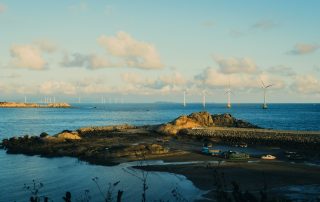
Four events from 2026, from The smarter E in Munich to WindEurope's Rotterdam workshop, point to the same shift: running wind, storage and grids better, not just building more.
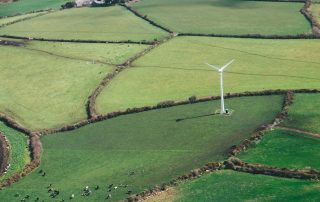
Finland's climate minister Sari Multala will open the German-Finnish Hydrogen Dialogue in Munich on 5 October and meet Bavarian ministers during a two-day visit.
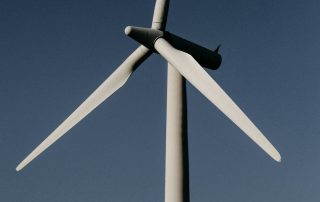
M.O.E. says it has issued the first prototype confirmation of grid-forming properties under VDE FNN note 2.1, for SMA's Sunny Central Storage UP-S 4600 inverter.
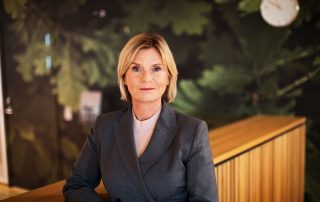
Åsa Bergman is resigning as CEO of Sweco after close to nine years in the role; she stays until a successor is found.
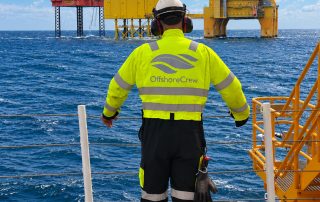
BSM will take 50% of Norwegian offshore crewing company OffshoreCrew, which holds a database of about 30,000 offshore professionals.
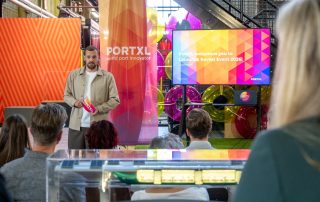
The Rotterdam accelerator PortXL has picked 11 start-ups for its 2026 programme, among them dockside wind-turbine, drone-radar and antifouling developers.
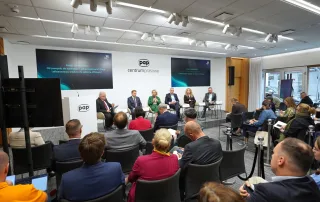
ARP, with PARP, PGE Baltica and Orlen Neptun, has launched a programme of subsidised training and up to PLN 100 million in loans and leasing for Polish offshore wind suppliers.
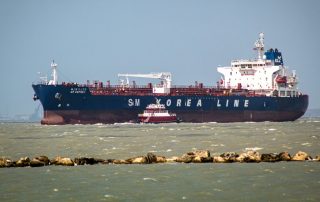
Klaipėda is rebuilding on three tracks at once: a EUR 600 million southern expansion, NATO-ready quays financed by the EIB and early work on green methanol bunkering.
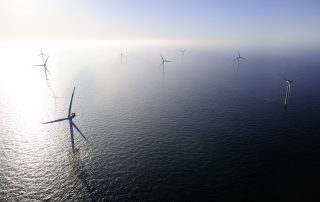
EWE, RWE and Vattenfall are selling alpha ventus, Germany's first offshore wind farm, to Ocean Breeze Energy, which plans to run it beyond its intended 20-year life.
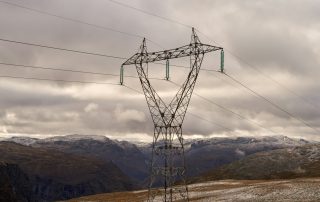
Germany's Ostwind 3 platform and Poland's Choczewo and Żarnowiec stations show how Baltic offshore wind depends on grid work started years ahead of the turbines.
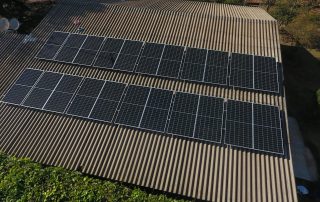
From Klaipėda's 2033–2044 LNG bookings to ORLEN's Norwegian stake and NATO's warning, the Baltic region is pursuing gas diversification, support for Ukraine and homegrown power at once.
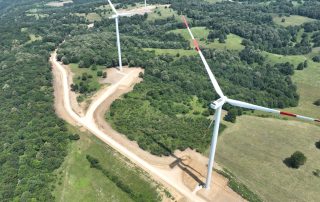
Nordex has won orders for 34 turbines totalling 175 MW in France, Portugal and Spain, with installation planned for 2027 and 2028. Customers and sites were not named.
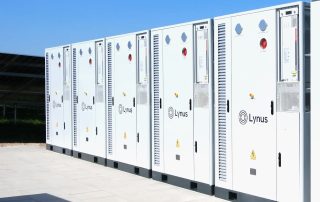
Lynus has started producing the 800 kWh BESS Cube 2.0 in Dillingen, Bavaria, a modular LFP battery system for new and existing solar sites.
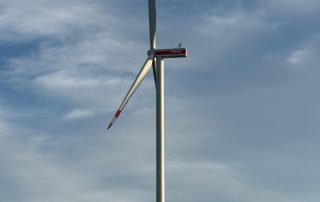
Energiequelle has connected three Vestas V150 turbines totalling 18 MW at Weddelbrook in Schleswig-Holstein, expected to produce about 47,000 MWh a year.
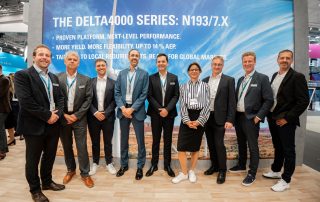
Nordex will supply eight 7 MW N175/6.X turbines and a 25-year service deal for W.E.B's 56 MW Auersthal repowering project in Lower Austria, with commissioning planned for 2028.
Finland has opened consultation on a bill naming Tukes as enforcement authority for the EU Methane Regulation, with penalties applying after a three-to-nine-month grace period from 2027.
WAT has signed offset agreements with Boeing and GE Aerospace for Poland's 96-helicopter Apache programme, including an AH-64E training centre and a composites laboratory.
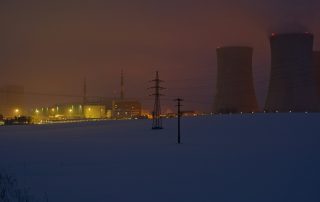
Finland's Government may rule on Posiva's Onkalo licence from October, while Estonia builds a nuclear regulator and both Baltic neighbours study the Finnish model.
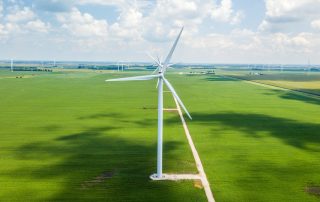
ENERTRAG Service has opened a spare-parts warehouse and training centre at Dauerthal in Brandenburg, with around 50 technicians and twelve apprentices.
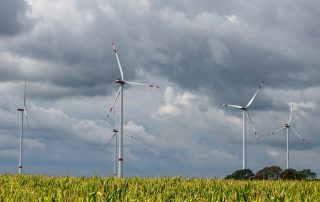
Nordex will deliver four N163/6.X and two N175/6.X turbines to Navaris for a 42 MW project near Bitburg, with commissioning planned for July 2028.

BSM will take a 50% stake in Kristiansand-based OffshoreCrew, which keeps a database of about 30,000 offshore professionals and serves offshore wind among other sectors.
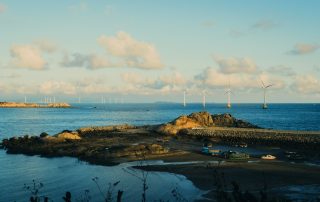
Germany's cabinet has sent the WindSeeG amendment to parliament. Two-sided CfDs, a 2,000 to 4,800 MW annual tender path and new rules on securities are the main changes for offshore auctions.
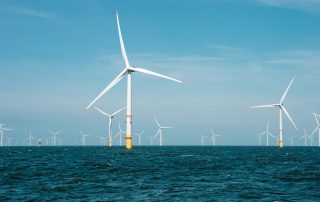
RelyOn Poland has become the first training provider in Poland's Pomorze region to offer OPITO-accredited offshore safety courses, adding capacity as the Baltic's offshore wind workforce grows.

EU funding for subsea cable repair covers telecom lines, not the power cables carrying offshore wind and interconnector traffic, leaving grid operators to pool their own vessels and spares as a nascent rental market fills the equipment gap.
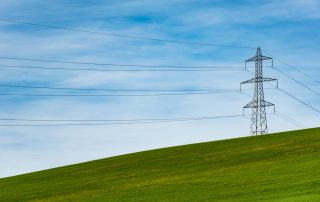
A wave of EU interconnection funding has collided with security fears and national pushback — from a Swedish cable freeze to a sabotage-repair fund and a Polish blackout drill.
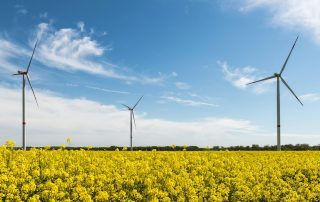
WindEurope has joined the European Literacy Coalition, launched in Brussels on 22 September, committing the wind industry to tackling declining literacy skills and energy disinformation.
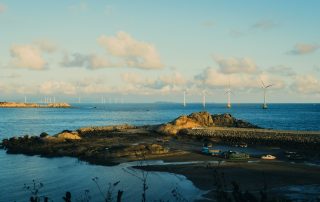
Finland's combined wind and solar capacity has passed 10 GW, and a wave of offshore wind projects, a record EU hydrogen grant and a nuclear district-heating plan show how the country's energy mix keeps diversifying.
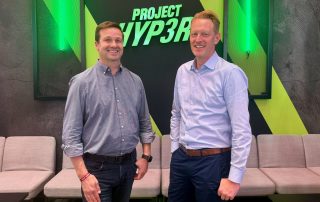
Enova Service is expanding its spare parts, component replacement and maintenance business for Enercon turbines as more German onshore wind farms reach advanced operating age.
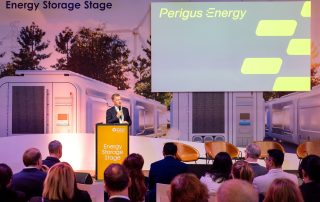
Perigus Energy has presented its European onshore wind, solar and storage portfolio for the first time, reporting 668 MW installed while its CEO warned of growing regulatory volatility in its core markets.
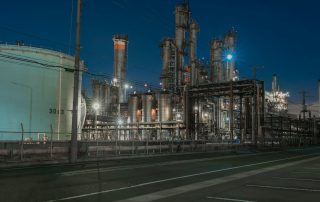
Finnish companies and municipalities invested over €2.1 billion in energy efficiency between 2017 and 2025, cutting annual energy use by 18.6 TWh, the government reports.
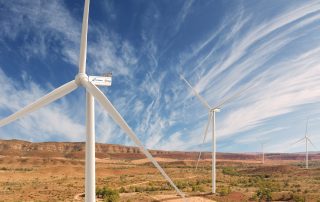
Nordex has extended its Delta4000 platform with the N193/7.X, a 7.3 MW turbine for medium and low-wind sites offering up to 14% higher yield than its predecessor.
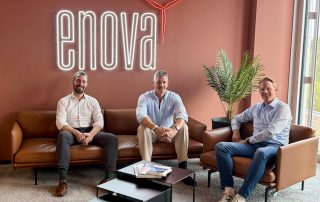
German onshore developer Enova has reached 1.4 GW of self-operated wind capacity, with 400 MW more under construction, as it works toward a 3 GW target by 2030.
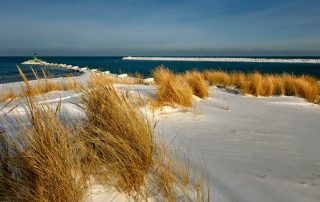
Deutsche WindGuard has signed a framework agreement with China's Sinoma Wind Power Blade for wind tunnel testing in Bremerhaven through 2030, supporting Sinoma's rotor blade development.
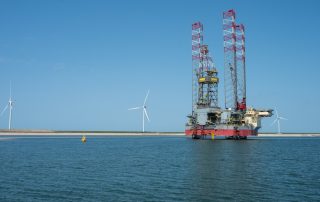
Ocean Winds has laid the cornerstone for an O&M base in Władysławowo that will support its BC-Wind offshore wind farm for decades, as Poland's coastal service infrastructure continues to take shape.
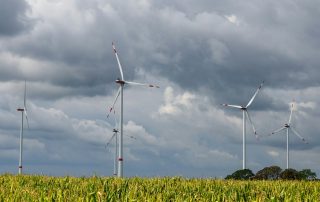
WindEurope has launched a Careers Hub to connect jobseekers with the more than 100,000 positions the wind industry expects to create by 2030, as youth unemployment remains high across the EU.
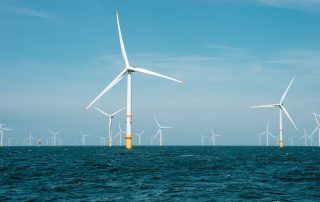
A look back at Denmark's energy milestones through 2026 — Thor offshore wind farm's licence and first CO2-reduced turbine, the Bornholm Energy Island pact with Germany, and early answers to the grid bottleneck holding back new renewables.
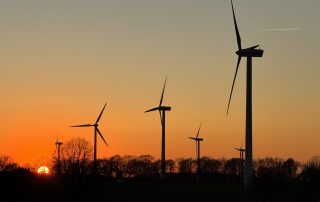
Navaris has secured 304.5 MW across 11 onshore wind projects in Germany's latest auction round, with a 100 percent bid success rate, days after its rebrand from Qualitas Energy.

TotalEnergies has bundled its German power activities — including VSB, Kyon Energy, QUADRA energy and its offshore wind business in the North and Baltic Seas — into a new unit called Integrated Power Germany.
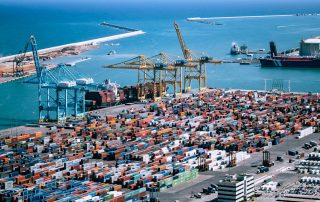
The Klaipėda State Seaport Authority has launched a construction tender for a southern port expansion that will create 100 hectares of new land and lift capacity to about 30 million tonnes of cargo a year.
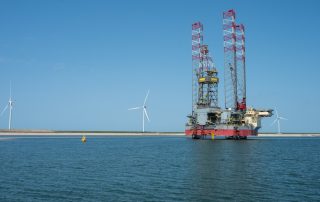
From 443,000 European wind jobs and 180,000 offshore roles to Germany's inland supply chain, Pomerania's training push and Vestas' cuts at Lindø: a roundup of what the employment figures mean for the Baltic.
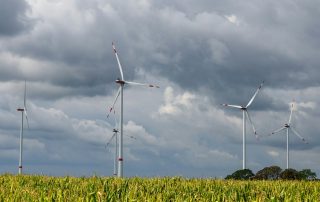
Hamburg consultancy F2E has released wake2e 4.0, moving its onshore site suitability software to a single revised method for sectoral effective turbulence intensities aligned with current wake models.
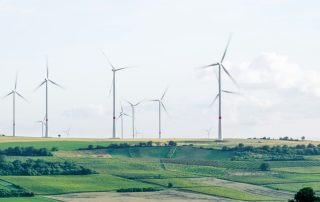
Dutch blade specialists We4Ce and ADIOS Technology have combined commercial operations under the eProWind brand, pairing on-site root bushing repairs with electrothermal de-icing, as We4Ce hands over leadership.
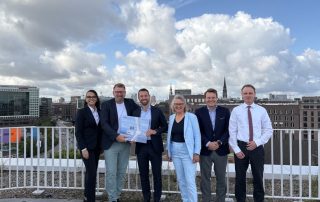
Husum-based purchasing cooperative Routing Energy and Vestas have agreed a strategic partnership giving small and mid-sized German onshore developers access to Vestas turbines, including the EnVentus platform.
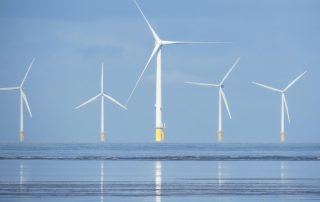
An explainer on the pieces of the Baltic Sea hydrogen build-out: the Baltic Sea Hydrogen Collector study, the Helsinki producer–buyer corridor, Vetyalfa's EUR 224 million Cloudberry project and the ENGIE–European Energy plant in Denmark.
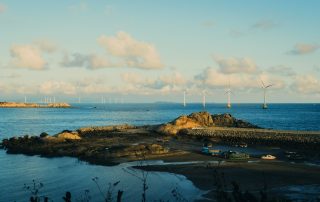
EnBW, Allianz, AIP and Norges Bank Investment Management have inaugurated the 64-turbine He Dreiht wind farm in the German North Sea, the first commercial site for Vestas' 15 MW turbine and financed entirely through PPAs.
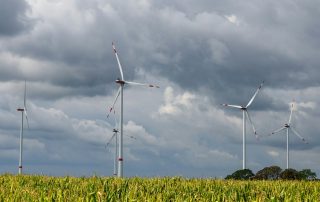
Matthias Brandt, CEO of Deutsche Windtechnik from 2005 to 2025, becomes managing director of the Berlin developer Saxovent Renewables as Thorsten Freise departs at the end of September.
A draft amendment to Finland's Electricity Market Act would sort connection requests from large consumers and storage into four priority groups when grid capacity is scarce. Comments close 9 October; entry into force is planned for 1 January 2027.
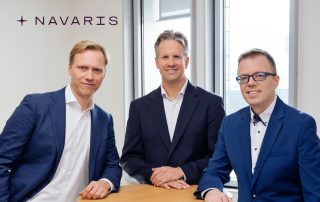
The Berlin-based platform takes over Qualitas Energy's German portfolio, 200 staff and a 3 GW pipeline, with a focus on onshore wind development and repowering.
The Berlin operations manager has grown its portfolio by 287 MW since January, with 161 MW more under contract, and now runs technical operations for over 1,200 turbines.
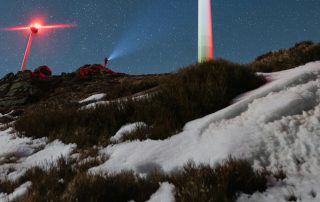
A six-month trial at the Sønder Bork wind farm logged 98.7% availability and a theoretical lights-off share of 97.4%, as Denmark prepares to legalise demand-controlled aviation lighting.
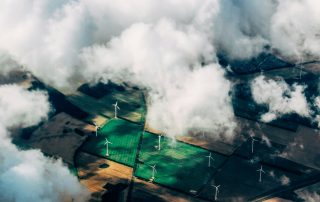
Vejle-based CNC Onsite has set up CNC Onsite Inc. in Houston to offer crane-free uptower yaw ring, shaft and blade root repairs to US wind farm operators, after a 74 per cent rise in gross profit in 2025.
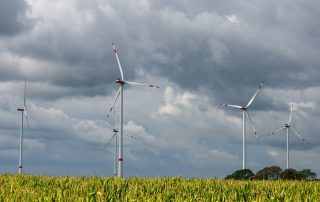
Sweden's parties agree on a lower electricity tax and faster permits, the grid operator wants 8 TWh of new fossil-free power a year, yet the government has frozen the Konti-Skan cable to Denmark. An analysis of what the next government inherits.
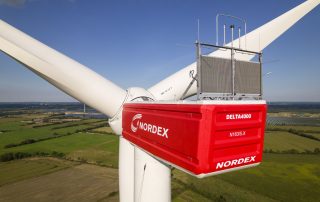
Nordex will supply 13 N163/6.X turbines and a 20-year service contract for TEUT Energieprojekte's 91 MW Schönermark-Passow wind farm in Brandenburg, with installation from September 2027 and first power in January 2028.
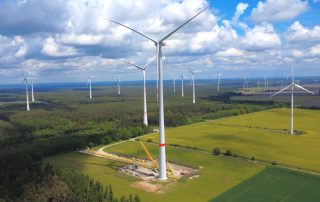
Energiequelle has commissioned a 4.26 MW Enercon E-138 turbine at Danna in Brandenburg, densifying the Feldheim wind farm without designating new land.

Berlin-based scopea GmbH launches at WindEnergy Hamburg 2026, offering wind measurement campaigns, operational analysis and independent expert assessments from one source.

Ventoplani, a Politecnico di Milano spin-off from the Horizon Europe project MERIDIONAL, is commercialising tethered airborne 'windplanes' for homes, businesses and off-grid sites.
A feature on the actors behind Lithuania's rise towards 7 GW of renewables: the Kelmė wind farm and EIB financing, Ignitis's pivot to grids and storage, Klaipėda's port expansion and a prosumer boom.

Deutsche WindGuard Systems has added wonBOT, a natural-language AI assistant, to its WONDER wind farm asset management platform, to be shown at WindEnergy Hamburg.
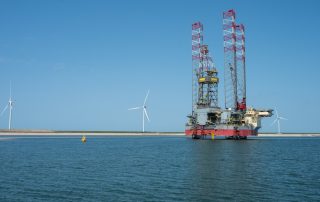
An explainer on the specialist ships that build Baltic offshore wind: jack-ups with 3,200-tonne cranes, Cadeler's EUR 2.7 billion backlog, heavy-lift newbuilds due in 2028, and Poland's plan for its first cable-laying vessel.
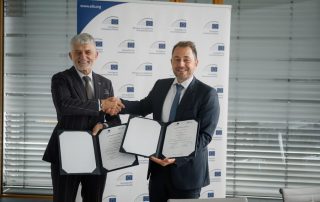
A EUR 100 million EIB loan will adapt Klaipėda's cruise terminal for NATO vessels and fund shore power, green hydrogen and offshore wind quays in a EUR 201 million programme due by end-2027.
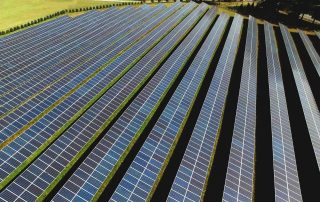
After the ECB's September rate rise, Germany's IWR institute argues that renewables plus battery storage cut exposure to fossil price shocks, and warns that subsidised gas plants trading on the market would add electricity price risk.
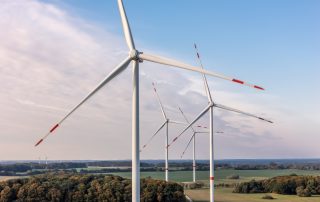
Nordex will replace five 3 MW turbines at the Rauschenberg wind farm in Hesse with five 6.8 MW N175/6.X machines on 199-metre towers for developer EEF, with generation due from summer 2028.
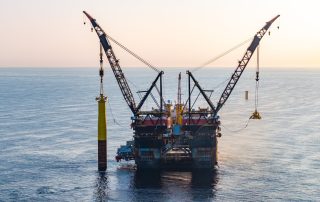
A tracker of the Bałtyk 2 and 3 offshore wind build: rock placement, first foundations, substation topsides, the onshore grid link and the milestones still ahead before first power in 2027.
Estonia and Latvia have no offshore turbines yet, but the ELWIND and Liivi projects now have design contracts, a seal survey and a year of wind data. Here is where they stand and what comes next.

Skyborn Renewables and the EIB announced financial close on Gennaker, a 976.5 MW offshore wind farm off Mecklenburg-Western Pomerania, with €2.1 billion of debt from 16 banks and the EIB. Commercial operation is targeted for the end of 2028.

A roundup of the early-2026 milestones across Poland's three offshore wind projects, from Baltic Power's fishermen compensation to Baltica 2's seabed works and Baltic East's auction price, with a look at what comes next.

The Mainz developer won support for all three of its bids in the July PV tender, is building nine wind projects totalling 180 MW by 2027, and will plan every future project with battery storage.
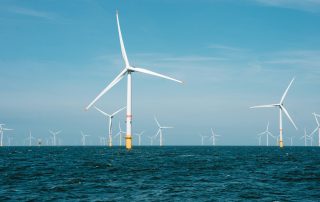
Four early-2026 forums, from the Hamburg North Sea Summit to a 47-region declaration in Stockholm, converged on cross-border offshore planning. A roundup of what they decided and what the Baltic can borrow.
Around 600 wind-sector representatives toured German North Sea wind farms aboard the FRS Halunder Jet on 31 August; Husum Wind and WAB now plan a repeat excursion in 2028.
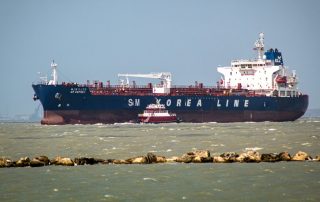
A sensor buoy four nautical miles off Klaipėda now streams sea and GPS-interference data to shore, serving as a fixed reference for ships when satellite navigation fails.
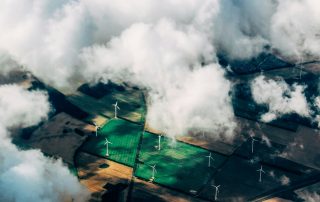
The industry strategy values Poland's onshore wind market at up to PLN 214 billion by 2040, but the figure rests on 1.5 to 2 GW of annual additions, a turbine supply chain still 75 per cent foreign, and a grid that already curtails 5 to 10 per cent of renewable output.
Germany's FGW e.V. has released the final document of its working group on component-based unit certification, proposing early validation of grid behaviour at converter and component level to cut recertification costs for turbines and storage.
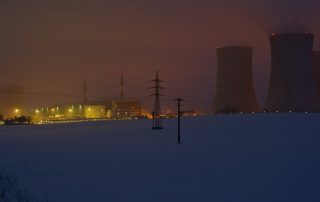
Finland's Sari Multala hosted Estonia's Andres Sutt and Latvia's Jānis Vitenbergs at Posiva's spent fuel repository in Eurajoki, weeks after STUK's favourable statement. The operating licence proposal could reach the Finnish Government in October.
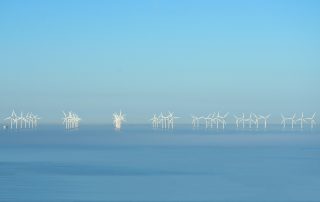
The European Investment Bank has granted Elia Transmission Belgium a 1 billion euro green credit facility for phase two of the Princess Elisabeth Island, its largest energy infrastructure loan in the Benelux. The hub is due to connect Belgium's second offshore wind zone from 2031.
Prevention and detection dominate the debate on Baltic subsea infrastructure. Repair capacity - vessels, spare sections and crews - is the thinnest layer, and the European funding that exists mostly covers telecom cables rather than power.
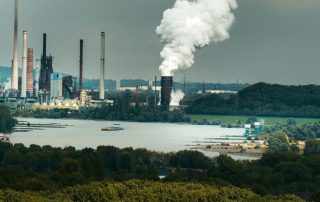
Finland's Ministerial Finance Committee has endorsed 21 million euros in investment aid for a 100,000-tonne biogenic carbon capture plant at Metsä Fibre's Rauma pulp mill, with the captured CO2 destined for renewable electrofuels.
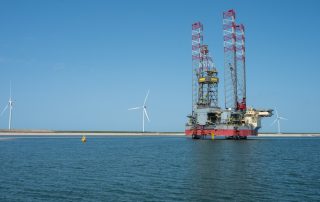
Energy ministers from the eight Nordic and Baltic countries met in Tallinn on 4 September to discuss Ukraine, the protection of critical energy infrastructure and market competitiveness, with Finland pressing for EU support on repairing undersea assets.
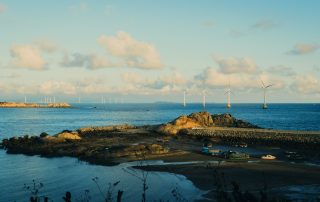
The German cabinet has adopted the draft WindSeeG amendment, sending changes to offshore auction design, realisation deadlines, resilience criteria and environmental rules into the parliamentary process.
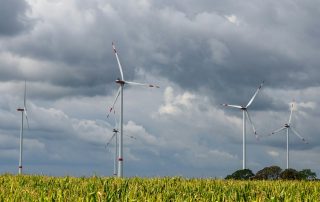
German wind farms produced 87.46 billion kWh between January and early September, around 14 per cent more than a year earlier, according to IWR data. European figures for the week are incomplete after an ENTSO-E data migration failed.