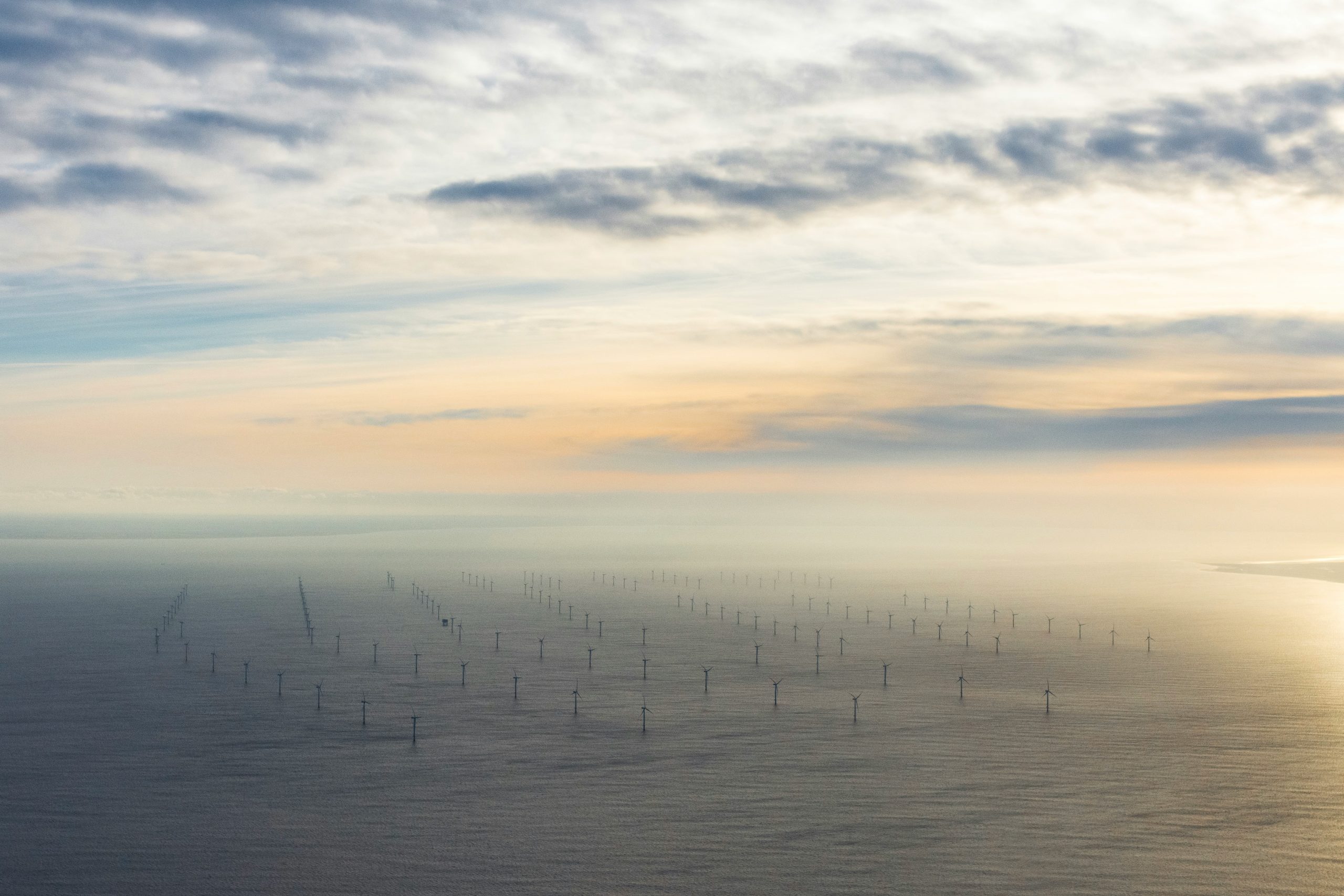
Berlin, January 26, 2026. On the occasion of the North Sea Summit in Hamburg, a new study by Fraunhofer IWES on behalf of the German Offshore Wind Energy Association (BWO) and the German Association of Energy and Water Industries (BDEW) shows that If offshore wind farms in the Danish and Swedish exclusive economic zones (EEZ) were connected directly to the German power grid, the system costs of offshore wind energy could be reduced by several billion euros compared to expansion exclusively in the German North and Baltic Seas. At the same time, electricity yields could increase by up to 13 percent. This would require cross-border cooperation on land use and grid connection.
Scientists at Fraunhofer IWES have calculated for the first time the economic effects of cross-border offshore wind planning compared to a purely national expansion path. In addition to electricity yields, the analysis also covers system costs, including grid expansion, shadowing effects, and impacts on security of supply.
“The expansion of offshore wind energy is a central pillar of energy supply in Germany and Europe,” says Hans Sohn, Head of Policy and Communication at the BWO. “The study shows how the legally defined target of 70 gigawatts of offshore wind by 2045 can be achieved in a significantly more cost-efficient manner. Offshore wind farms in Denmark and Sweden that are directly connected to the German power grid—so-called radial connections—increase yields, reduce system costs, and make the power system more robust.”
Cross-border planning increases efficiency
The study focuses on a comparison between the complete expansion of 70 gigawatts of offshore wind capacity within the German Exclusive Economic Zone (EEZ) and scenarios in which up to 20 gigawatts of this capacity is built in neighboring countries but connected directly to the German power grid. These capacities should continue to count toward the national expansion target.
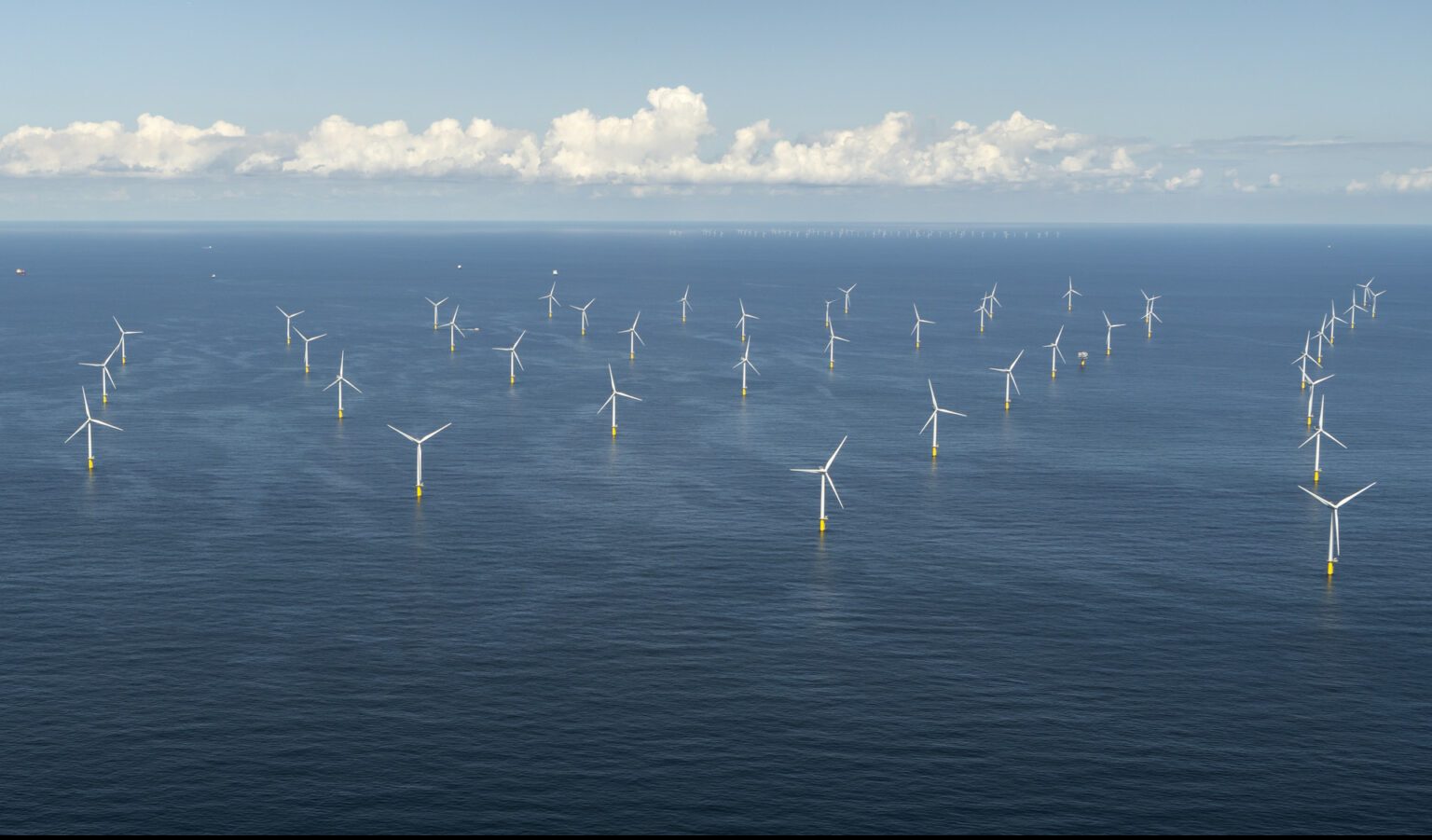
Spatial equalization reduces the concentration of offshore wind farms in the German EEZ. Shadowing effects in the German Bight decrease, leading to higher full-load hours and increasing electricity yields for all offshore wind farms in the North Sea region. At the same time, the economic costs of offshore wind expansion are reduced, including the costs of grid connection and grid expansion.
Higher full-load hours, lower costs, greater security of supply
The study shows that radial connections of offshore wind farms in neighboring countries offer several systemic advantages. The offshore wind zones in Denmark have particularly high-yield wind locations. Their connection to the German power grid increases the average full utilization hours of the “German” offshore wind portfolio.
Better wind conditions also lead to lower specific costs per megawatt hour generated. The analysis shows up to 13 percent higher electricity yield with up to 11 percent lower costs (in euros per megawatt hour, including grid connection).
In addition, the broader geographical distribution of wind harvests in the North Sea and Baltic Sea strengthens security of supply and provides additional feed-in during periods of low wind in Germany.
European cooperation as a strategic lever
From the BWO’s perspective, the results of the study underscore the importance of closer and more binding cooperation between the North Sea coastal states. Cross-border planning opens up new scope for the cost-efficient, system-friendly, and resilient expansion of offshore wind energy.
“It is positive that the German government has already agreed on this approach in its coalition agreement,” says Hans Sohn. “The stronger cooperation with the North Sea coastal states and the development of areas optimized for generation, as provided for in the agreement, are exactly the right steps in the right direction. The BWO expressly supports these efforts and hopes for constructive discussions between the German government and neighboring countries in order to jointly leverage this potential.”
This requires bilateral agreements that make it possible to use offshore wind areas in the Danish and Swedish exclusive economic zones, provided they are not needed there, and to continue to count these capacities toward the German expansion target.
Background to the study
The study “International Optimization of Full Load Hours in the German Bight – Cross-Border Radials” was conducted by Fraunhofer IWES on behalf of BWO and BDEW.
The short version of the Fraunhofer IWES study can be found here. The full report is scheduled for publication in February 2026.
Source: BWO