When the Finnish Defence Forces publish their Military Intelligence Review, the document is not written for the energy sector. Yet the 2026 edition should be required reading for everyone involved in offshore wind, grids, ports, and maritime industry development around the Baltic Sea.
The reason is simple. The report confirms that the Baltic Sea has crossed a strategic threshold. What for years was treated primarily as a space for economic cooperation, logistics, and energy transition is now firmly assessed as a theatre of geopolitical competition, hybrid operations, and long-term military relevance.
For offshore wind, this builds the context in which projects are planned, built, and operated. Since 2022, tensions in the Baltic Sea region have increased markedly, driven by Russia’s confrontation with the West and its war against Ukraine. The Baltic Sea is described as increasingly important in international politics.
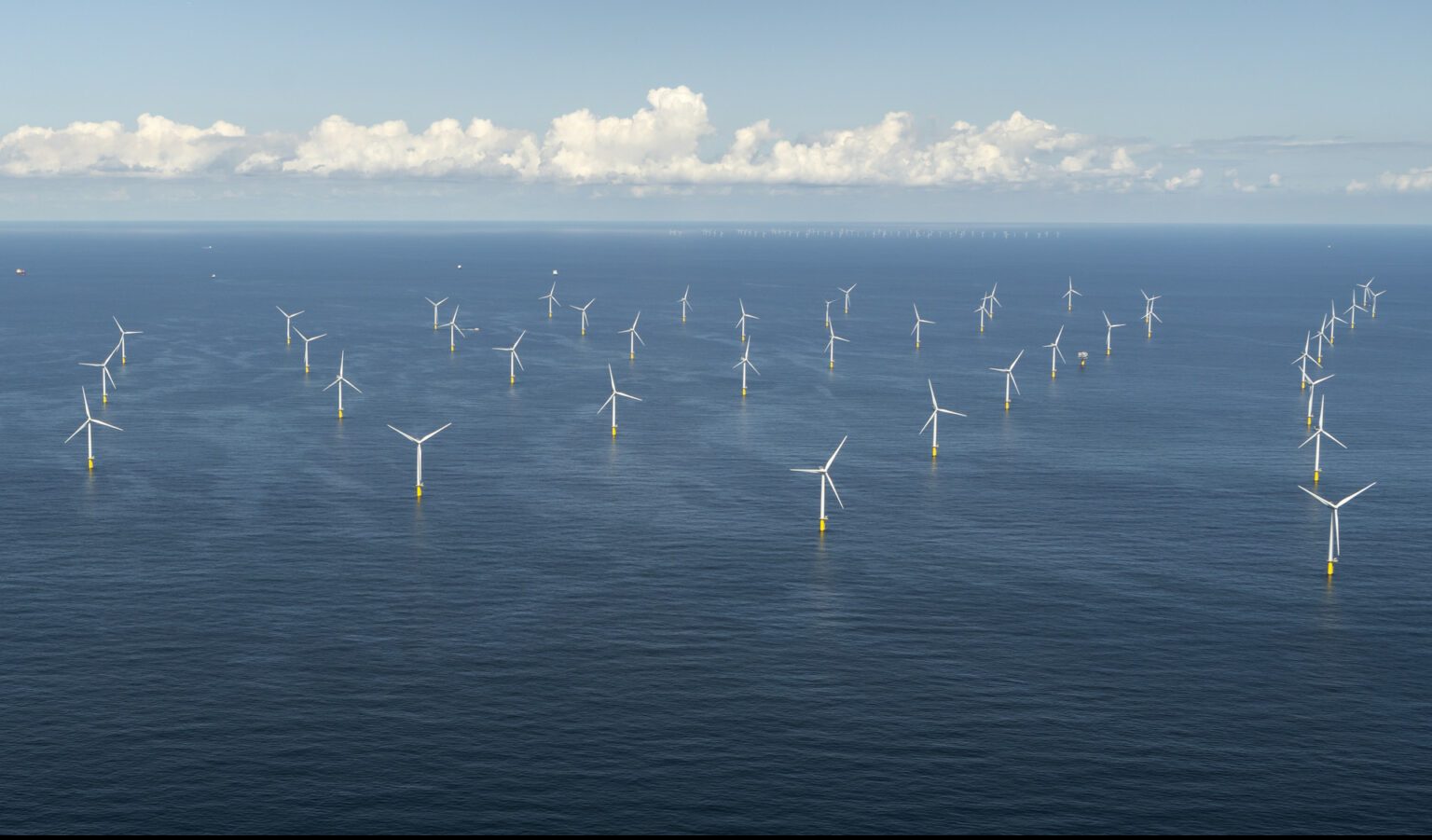
Damage to seabed assets, interference with navigation systems, and the use of civilian or dual-use vessels for ambiguous operations are now framed as part of an established pattern of behaviour. Offshore wind infrastructure increasingly resembles what defence planners define as critical national and allied infrastructure.
The report also highlights how Russia is prepared to protect its maritime interests aggressively, including through escort operations and hybrid activities involving its shadow fleet. These actions increase the risk of accidents, miscalculations, and escalation, intentional or not. For developers and operators, this introduces a new layer of uncertainty that cannot be fully mitigated through technical solutions alone.
At the same time, NATO’s response is reshaping the Baltic Sea. Enhanced surveillance, increased naval presence, and the launch of initiatives such as Baltic Sentry signal that the Alliance now treats the protection of undersea infrastructure as a standing task. Finland’s integration into NATO intelligence structures reinforces this shift and raises the baseline level of situational awareness across the region.
For the offshore wind sector in the Baltic Sea, this creates a paradoxical environment. On one hand, increased military vigilance improves overall security. On the other, offshore energy projects are becoming embedded in a space that is more regulated, more financially uncertain, more monitored, and more strategically sensitive than ever before. Ports, installation terminals, and manufacturing hubs around the Baltic Sea are becoming part of a wider security ecosystem. Their reliability, resilience, and trustworthiness now matter not only for investors and grid operators, but also for national authorities and allied planners.
Perhaps the most important message of the Finnish Military Intelligence Review for the energy sector is not about immediate threat, but about permanence. Even though Russia’s main military focus remains Ukraine, the report makes clear that tensions in the Baltic Sea will persist. Hybrid influencing, infrastructure-related risks, and strategic signalling are expected to continue below the threshold of open conflict throughout 2026 and beyond
Security is becoming part of the project logic itself, influencing site selection, design choices, insurance models, stakeholder engagement, and long-term operational planning.