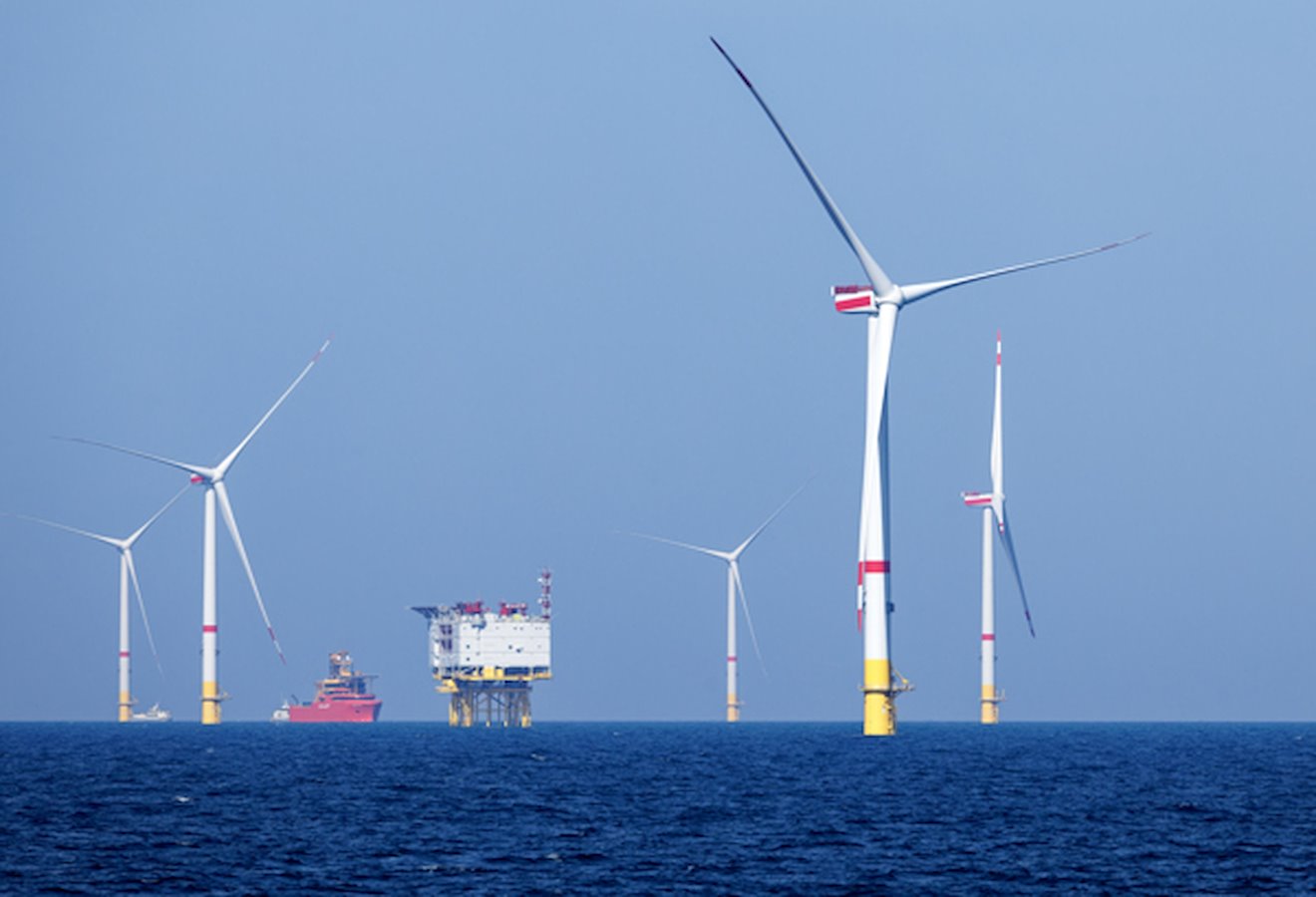
- 50Hertz grid connection systems fed around 5,400 gigawatt-hours of electricity into the grid in 2025.
- Despite a weak wind year, this is an increase of around 10 percent.
- 50Hertz CEO Stefan Kapferer: ‘The role of the Baltic Sea for the security of supply and climate protection is becoming increasingly important.’
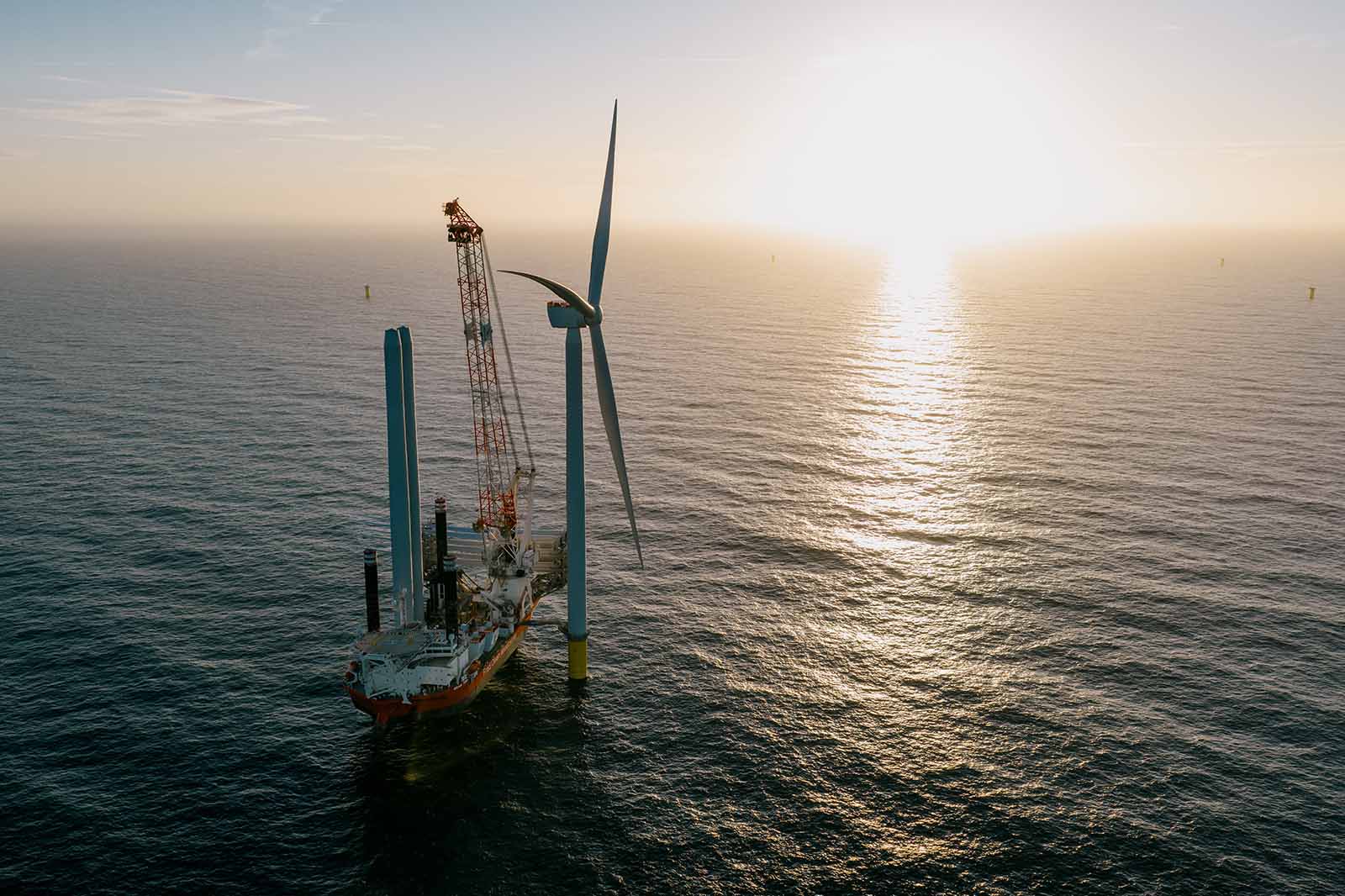
The offshore wind farms in the Baltic Sea fed around 5,400 gigawatt-hours (GWh) of electricity into the eastern German extra-high-voltage grid via the 50Hertz grid connection systems last year – about ten percent more than in the previous year. Over the course of 2025, the six currently operating offshore wind farms generated enough electricity to cover the annual consumption of the city of Leipzig and its surrounding region.
The reason for this increase is the continuous expansion of wind energy off the coast of the island of Rügen. Since last year, the Baltic Eagle wind farm (approx. 450 MW) has been feeding its full capacity into the grid via the Ostwind 2 connection system. Prior to that, the Arcadis Ost 1 wind farm (approx. 250 MW) went online. Wind yield amounted to 4,300 GWh in 2023 and 4,900 GWh in 2024.
Stefan Kapferer, CEO of 50Hertz: “The Baltic Sea is not only a beautiful holiday destination. Its role in Germany’s security of supply and climate protection is becoming increasingly important. And this positive development will continue. In the second half of 2026, Iberdrola’s Windanker wind farm is scheduled to be commissioned, and in 2028 the largest offshore wind farm in the Baltic Sea to date — the Gennaker wind farm developed by Skyborn Renewables — is expected to go into operation. In addition, 50Hertz, in cooperation with the Danish partner Energinet, will provide access to wind power outside German waters through the joint project Bornholm Energy Island. Bornholm Energy Island will be the world’s first hybrid HVDC interconnector.”
While offshore wind generation increased, electricity production from onshore wind turbines in the 50Hertz grid area fell by around 2,000 GWh to a total of 33,800 GWh last year. This is solely due to weather conditions, as additional onshore wind turbines were also commissioned. Electricity generation from wind power varies significantly from year to year. In 2025, winds on land were generally mild; under normal conditions, wind yields would have been considerably higher due to the expansion of wind capacity. The year 2023 was the strongest wind year in more than 20 years, whereas 2024 was roughly in line with long-term averages.
Source: 50 Hertz