Revolution Wind LLC has announced that it will seek a preliminary injunction against the lease suspension order issued by the US Department of the Interior’s Bureau of Ocean Energy Management (BOEM), escalating a dispute that now threatens one of the most advanced offshore wind projects in the United States.
The project company, a 50/50 joint venture between Skyborn Renewables, part of Global Infrastructure Partners, and Ørsted, confirmed that it has filed a supplemental complaint in the US District Court for the District of Columbia. The legal action challenges the lease suspension order issued on 22 December 2025, which followed an earlier stop work order imposed in August.
According to Revolution Wind, the suspension violates applicable law and places the project at risk of substantial harm. While the company says it remains open to constructive engagement with the US administration and other stakeholders, it argues that litigation has become necessary to protect the project’s rights and investments.
Years of permitting and defence consultations
Revolution Wind emphasised that it secured all required federal and state permits in 2023, following a permitting and environmental review process that stretched over more than nine years. As part of that process, the developers conducted extensive consultations with US defence authorities to address potential impacts on national security and military aviation.
These consultations resulted in a formal, fully executed mitigation agreement involving the Department of Defense and the Department of the Air Force, covering the project’s construction and operational phases. Additional approvals were obtained from a wide range of federal agencies, including the US Coast Guard, the US Army Corps of Engineers and the National Marine Fisheries Service.
The developers say they have spent and committed billions of dollars in reliance on these approvals and on the integrity of the federal review process.
Project 87 percent complete
The legal dispute comes at a critical moment for the project. Revolution Wind is approximately 87 percent complete and was expected to begin generating power as early as January 2026, before the lease suspension was imposed.
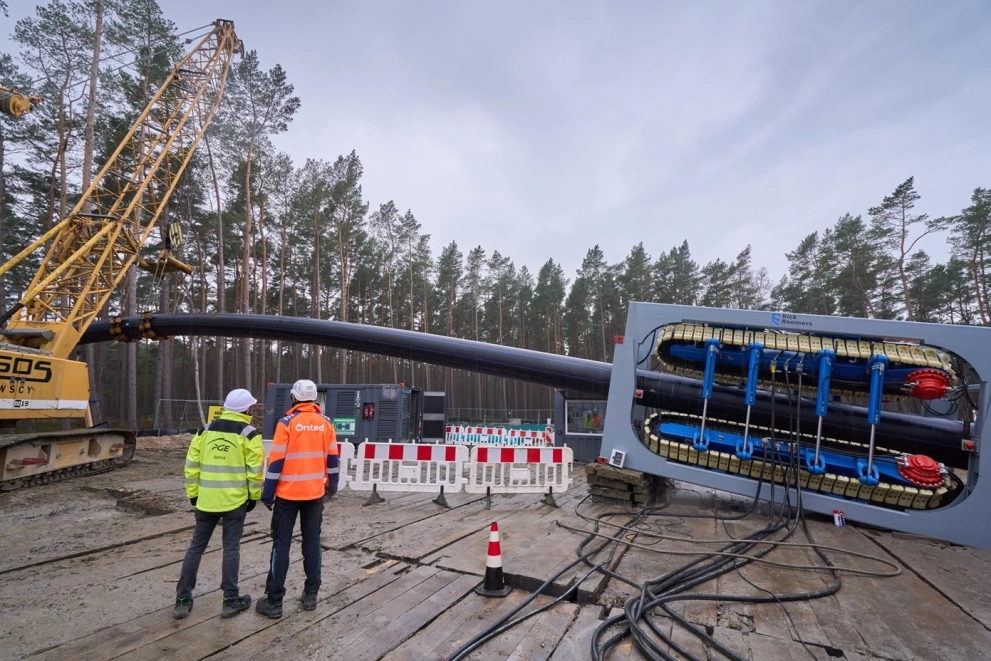
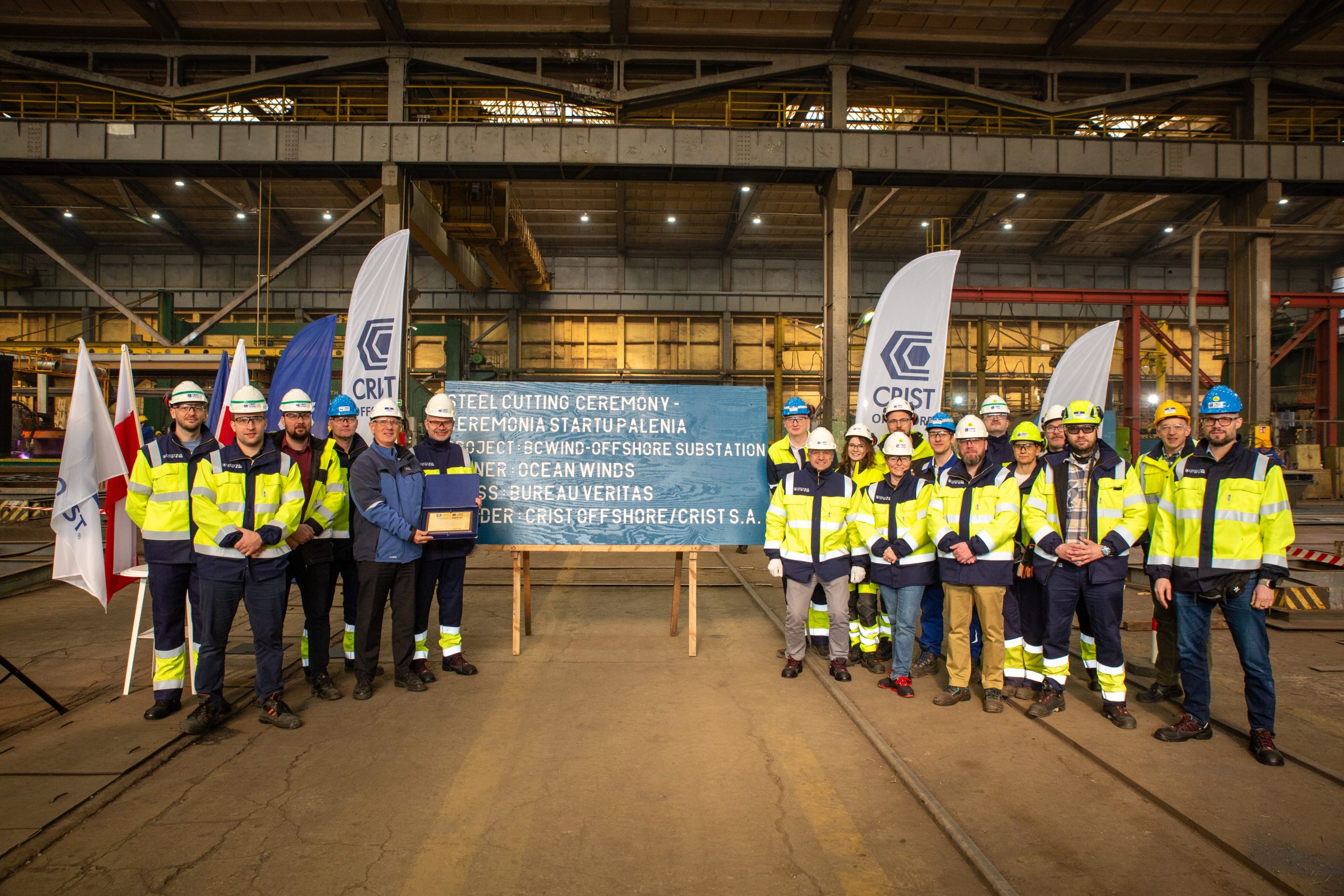
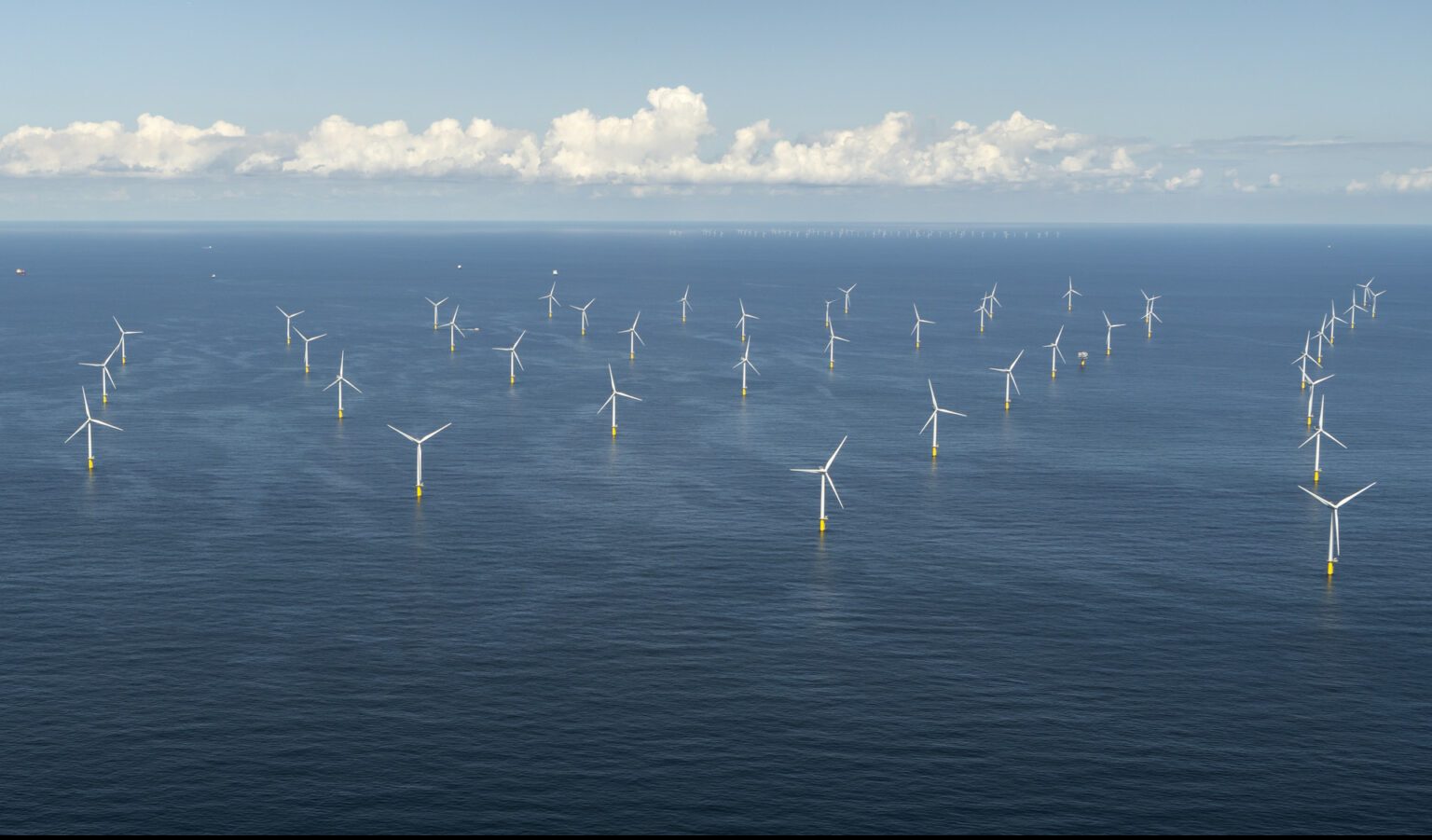
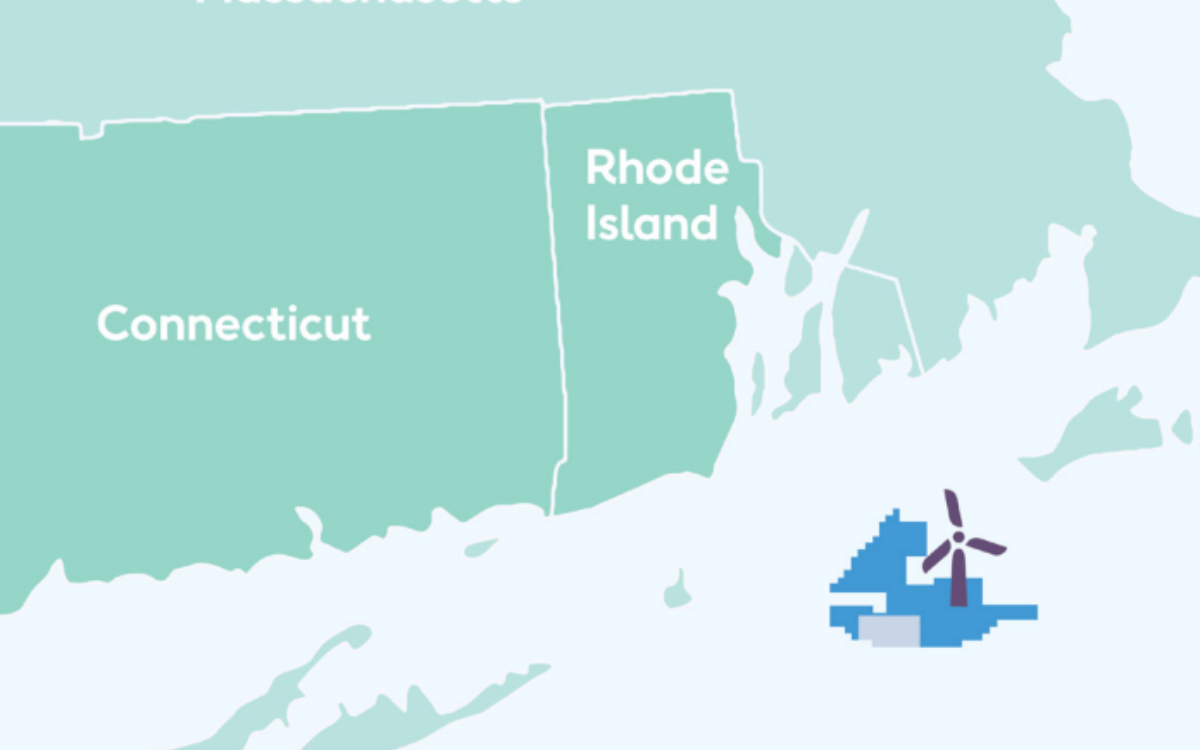
All offshore foundations have already been installed, along with 58 of the project’s 65 wind turbines. Export cable installation is complete, and both offshore substations are in place. Once operational, the wind farm is set to deliver electricity under 20 year power purchase agreements with utilities in Connecticut and Rhode Island.
The project is expected to supply affordable power to more than 350,000 homes and play a key role in strengthening grid reliability across the Northeast. Grid experts, including the regional system operator ISO New England, have previously warned that halting projects of this scale could increase electricity prices and reduce system reliability, particularly as demand rises from data centres and AI driven applications.
Jobs, supply chain and wider implications
Revolution Wind has also highlighted the broader economic impact of the project. Construction and early operations have supported thousands of jobs across the United States, including more than 1,000 union positions accounting for roughly two million union work hours so far.
The project forms part of Ørsted’s wider investment programme in US renewable generation, grid upgrades, port infrastructure and domestic supply chains, including shipbuilding and manufacturing activities spanning more than 40 states.
A separate Ørsted project, Sunrise Wind LLC, which also received a lease suspension order on 22 December, is currently evaluating its options, including continued engagement with authorities and potential legal action.
A test case for US offshore wind
The Revolution Wind case is likely to be closely watched across the offshore wind sector. With construction nearly complete and long term power contracts already in place, the outcome could have far reaching consequences for investor confidence, regulatory certainty and the future pace of offshore wind development in the United States.
For the industry, the dispute underscores the growing tension between accelerating clean energy deployment and shifting political and regulatory dynamics at the federal level, at a time when large scale offshore wind is increasingly seen as critical infrastructure rather than a niche energy source.