When a field is converted to green energy production, total tax payments and local contributions increase dramatically. However, the municipalities’ share of corporate tax revenues does not always end up in the municipality that provides land for green energy production. This needs to be changed, according to Green Power Denmark, which proposes that tax revenues be distributed according to where the facilities are located. This model is already used for unmanned petrol stations.
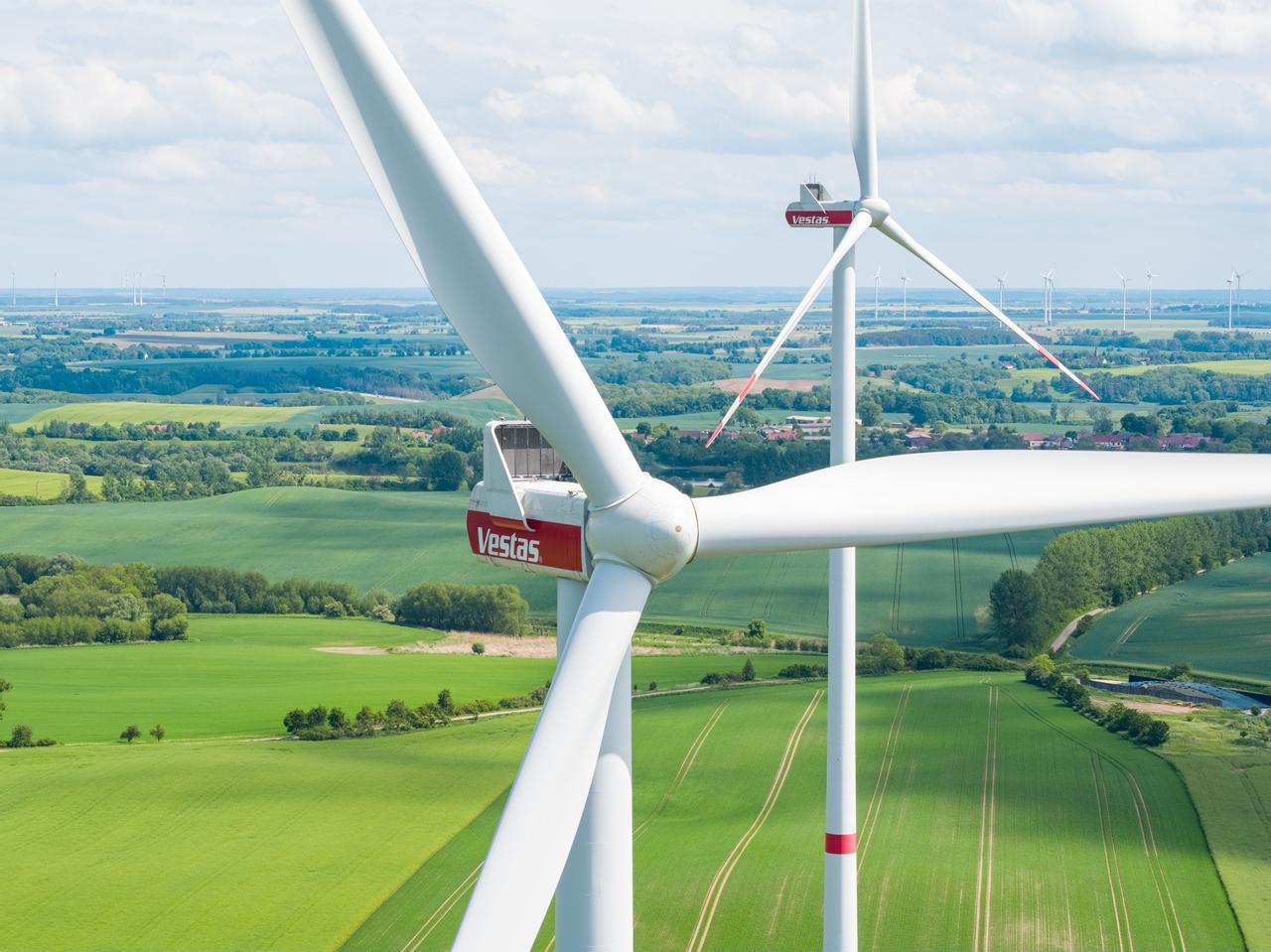
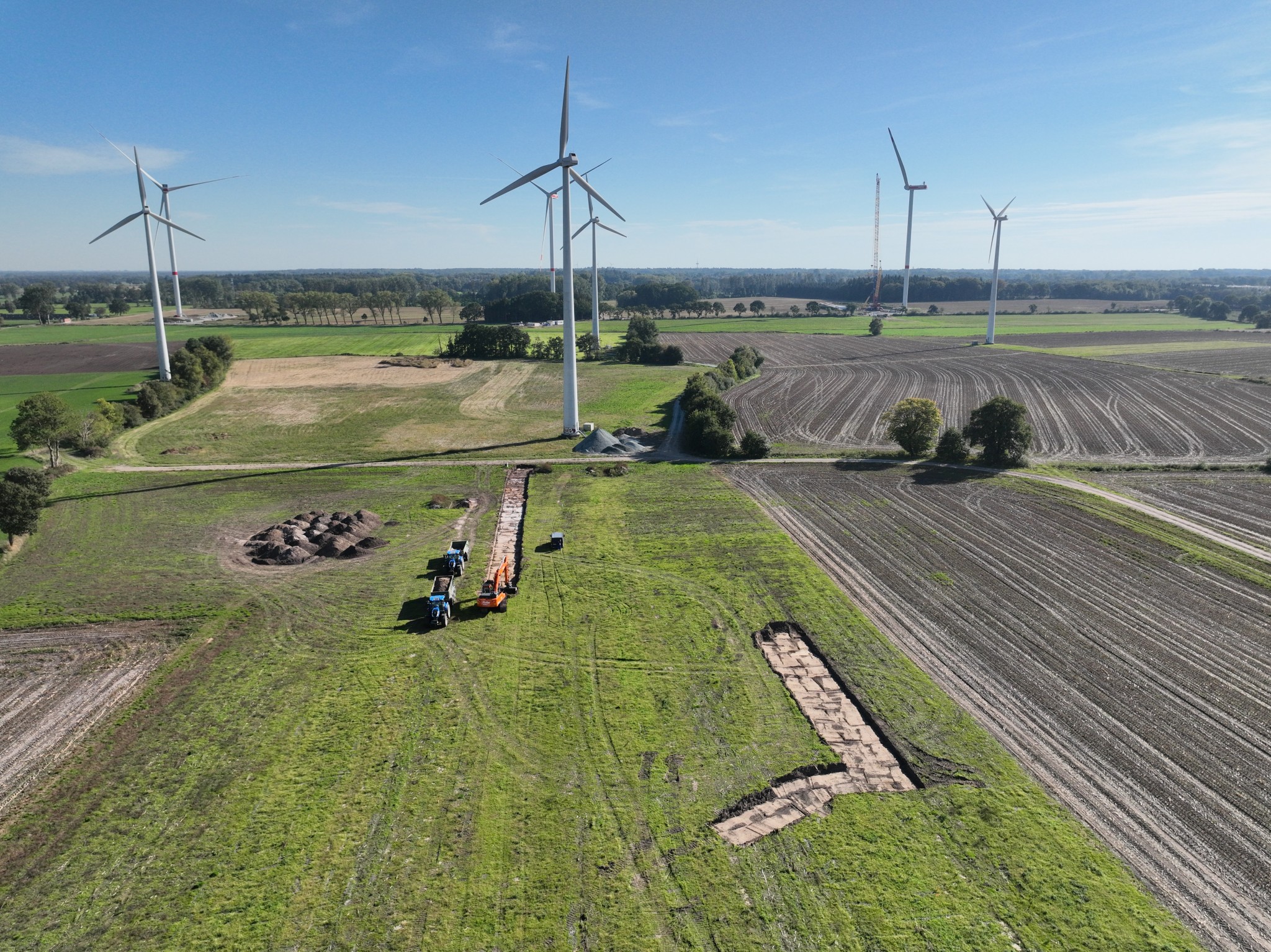
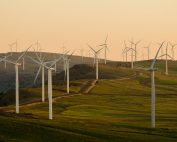
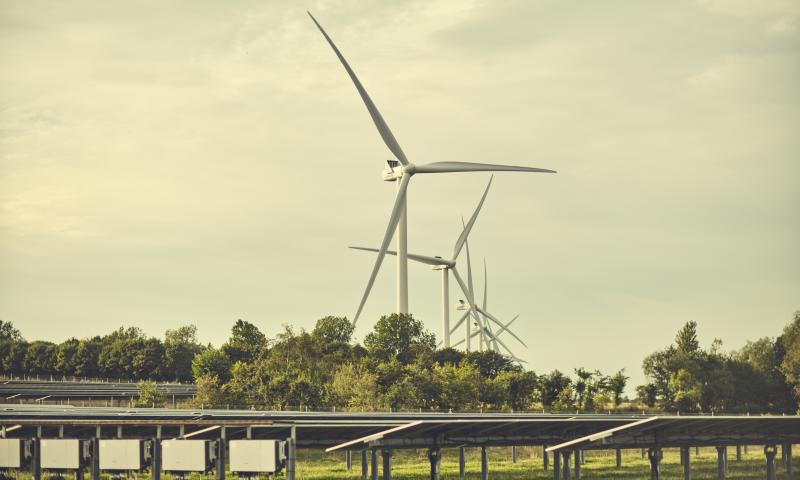
A typical solar cell or wind turbine park contributes between DKK 160 and 562 million to the state, municipalities and neighbours over its 30-year lifetime, according to an analysis conducted by KPMG for Green Power Denmark. The state treasury, which is located far from the fields where green electricity is produced, receives by far the largest share of the money. Photo: Jeppe Carlsen
Companies that install solar cells and wind turbines on land not only supply cheap and green electricity. They also pay large sums in corporation tax, property tax, land tax, renewable energy bonuses and funds for the green pool.
A typical solar cell or wind turbine park (see fact box) contributes between DKK 160 and 562 million to the state, municipalities and neighbours over its 30-year lifetime, according to an analysis conducted by KPMG for Green Power Denmark. The state treasury, which is located far from the fields where green electricity is produced, receives by far the largest share of the money.
‘Politicians need to look at how the money can be distributed more fairly. When a municipality takes the lead and provides land for the production of green electricity, it should receive a significantly larger share of the financial gains than is currently the case,’ says Kristian Jensen, CEO of Green Power Denmark.
When agricultural land is used for green energy production, tax contributions increase significantly, but the municipalities that provide the land do not necessarily receive a particularly large share of the profits – we will explore this in depth in this webinar with KPMG.
The majority of the payments come from corporate tax. Of this, 85 per cent goes to the state, while the remainder typically goes to the local authority where the company behind the solar cell or wind farm has its headquarters. And this is not necessarily the local authority that provides the land for the plant.
This is because the municipal share of corporate tax is generally distributed according to where the companies have employees. However, there are a few exceptions in other industries – for example, unmanned petrol stations. When they pay corporate tax, it is distributed according to where the petrol stations are located. Green Power Denmark proposes that the same exception should apply to green energy plants.
‘The government and the Local Government Association already agree that a new model for distributing corporation tax is needed. It makes sense to look at the model we already know from unmanned petrol stations,’ says Kristian Jensen.
If Green Power Denmark’s proposal for a new model for distributing corporate tax is implemented, the municipality that provides land for energy production will receive a larger share of the total tax payments. Due to municipal equalisation, the municipality will not receive the entire municipal share of property and corporate tax, but will be able to retain up to 44 per cent.
‘Municipalities play a key role when it comes to finding space for solar cells and wind turbines. More municipalities need to take responsibility, and it would be entirely fair if the municipalities that provide land for green energy production received greater financial gains,’ says Kristian Jensen.
Solar cell and wind turbine parks contribute far more to society per hectare than agriculture, according to the analysis by KPMG. The three examples of energy plants contribute between DKK 160 and 562 million over 30 years. A corresponding area of agricultural land contributes less than DKK 5 million over the same period. Energy production thus contributes 32–112 times more in tax payments and local contributions than if the land were used for agricultural production.
Download the KPMG analysis “Tax payments from onshore renewable energy plants”
“Tax payments from onshore renewable energy plants” – sign up for a webinar
Fact box
Green Power Denmark has asked KPMG to prepare an analysis of the total tax payments and economic contributions (in the form of renewable energy bonuses and green funds) associated with using land for solar cells and onshore wind turbines compared to traditional agricultural operations.
The analysis is based on three different types of facilities that reflect typical facilities for 2025 – both in terms of technology and size. These are a solar park (175 MW) covering approx. 175 hectares, a wind farm (75 MW) and a hybrid park (50 MW wind and 100 MW solar) covering approx. 130 hectares.
Agriculture has been chosen as a reference, as solar cells and wind turbines are typically located on former agricultural land. The analysis is based on 175 hectares of agricultural land in use.
Source: Green Power Denmark