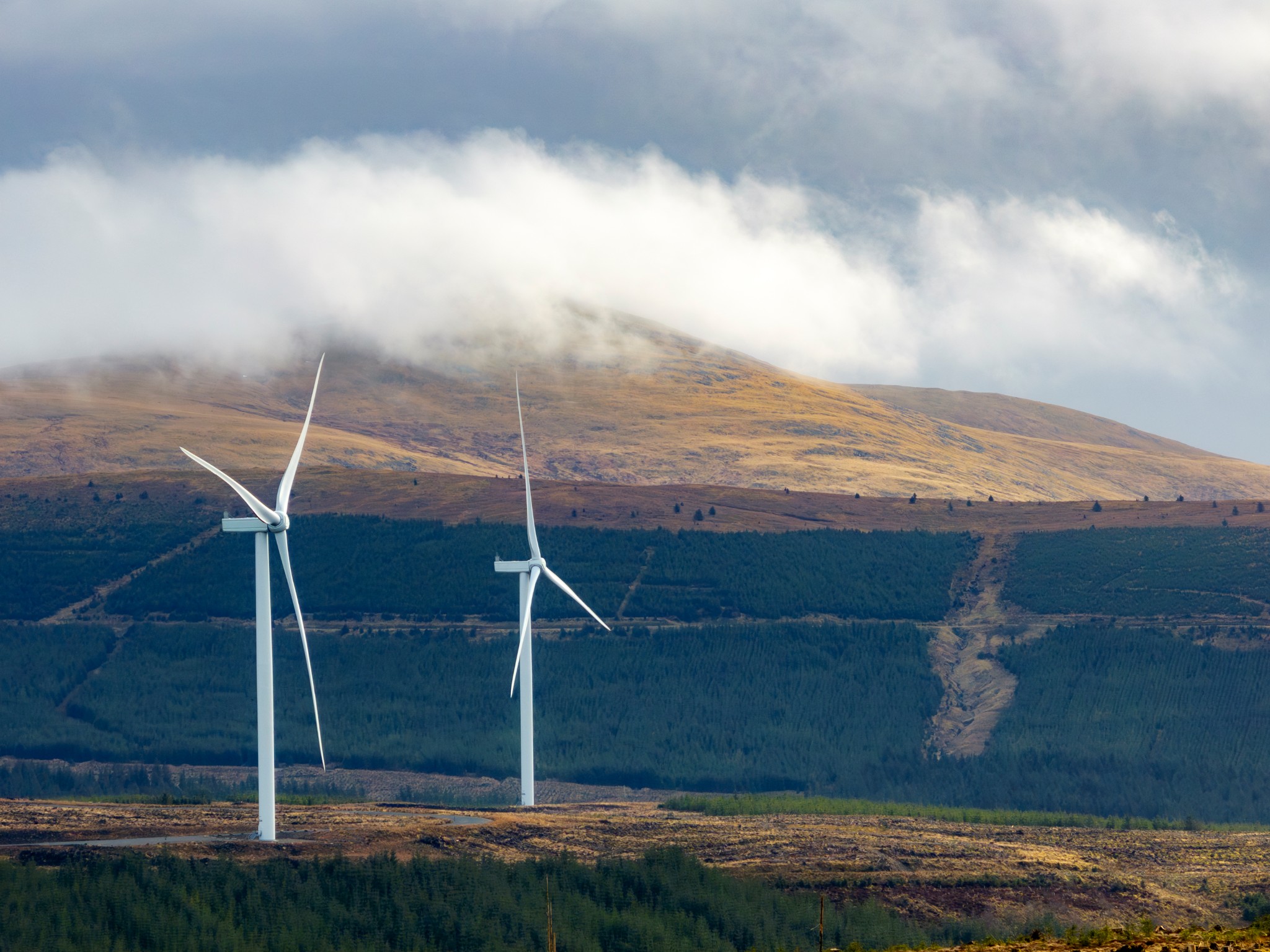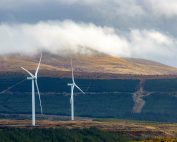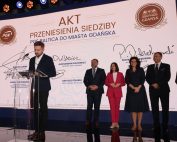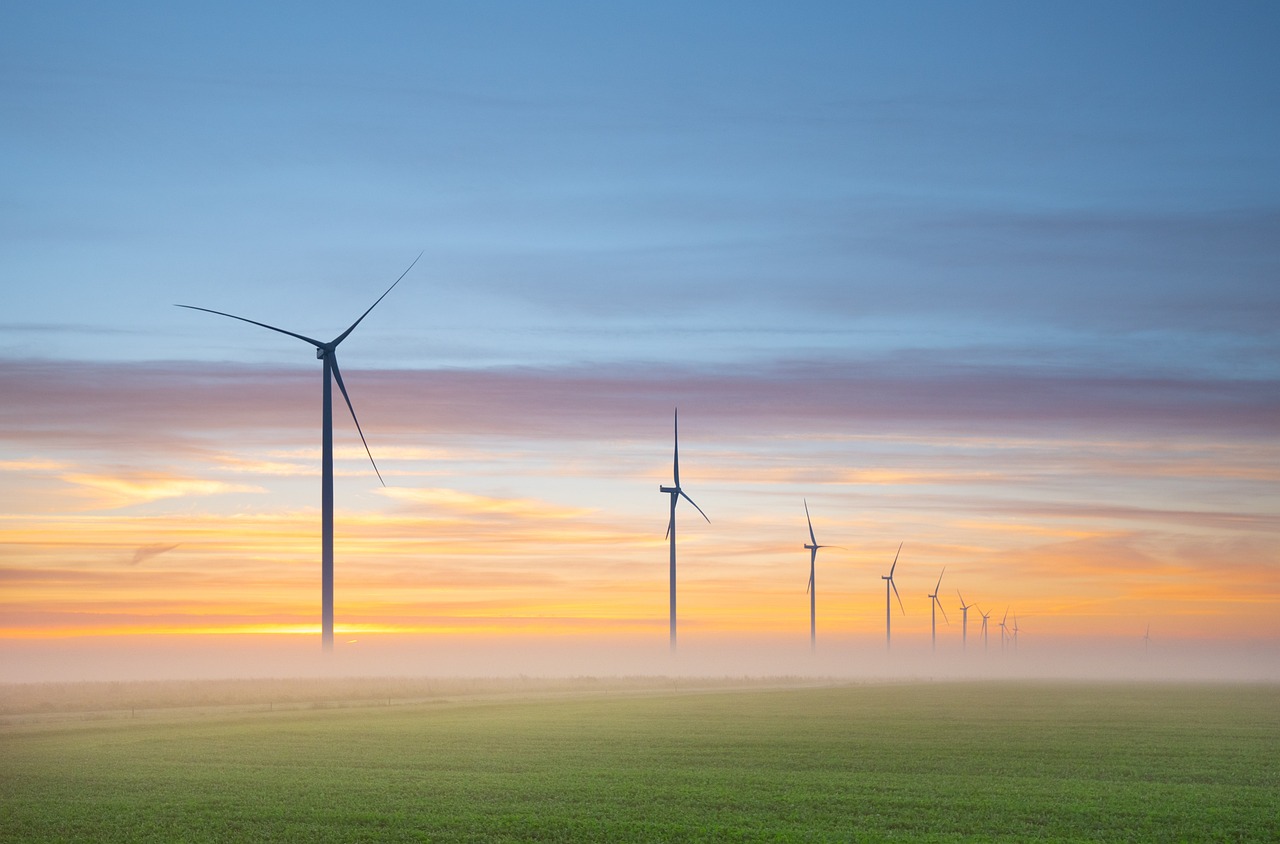
The investment process in onshore wind energy in Poland is now more difficult than ever before – experts stated during the panel discussion “Onshore wind – efficiency and barriers”, which took place on 22 April as part of the European Economic Congress in Katowice (Europejski Kongres Gospodarczy). The panellists discussed the most significant challenges currently facing the industry and the opportunities for unlocking the full potential of onshore wind energy in Poland.
During the discussion, the experts pointed out that the biggest problem today remains protracted administrative procedures and growing regulatory uncertainty. Among the most difficult challenges, they highlighted, among other things, restrictions related to flight paths and new guidelines on bird monitoring.
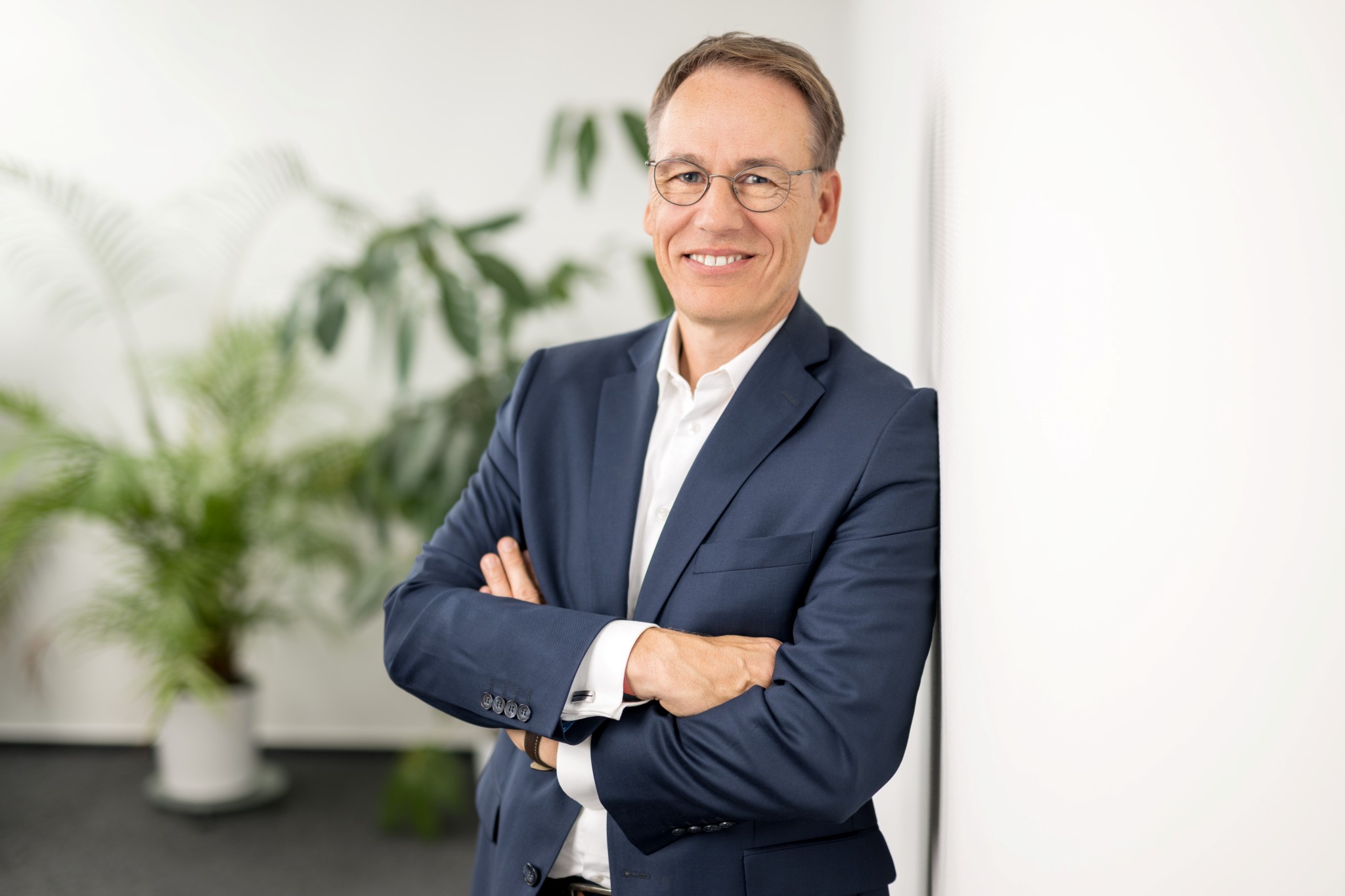
– I see absolutely no improvement in the current state of the investment process. It has never been as difficult as it is now. Every year we encounter new barriers. – stated Olga Sypuła, Vice President & Regional Manager of Central Europe at European Energy.
The topic of connection reforms and changes designed to streamline the process and increase its transparency also sparked a great deal of discussion. According to the panellists, the intentions were sound, but the reality may prove far less promising.
– The intention behind the reform was sound – its aim was to introduce full transparency into the connection process, eliminate speculators and streamline procedures systematically. But will it be faster and more transparent? Looking at the bigger picture, I fear that in practice nothing will change. – added Olga Sypuła.
The discussion also showed that onshore wind power remains a competitive technology and attractive for financing. It was emphasised that this segment is also performing well outside the auction system, and banks are ready to finance such investments. At the same time, other areas of the energy transition, such as energy storage, still require stable support mechanisms and a better regulatory environment.
Another key topic of discussion was local content and the role of Polish companies in the upcoming wave of energy investments. As the representative from European Energy noted, increasing the domestic market share is possible, but requires continuity in the investment process and a consistent government policy.
– As an investor, I would be very happy if Polish companies’ market share stood at 70 per cent. However, this requires continuity in the investment process. Legislation and policy must move in the same direction so that these companies can be established and grow. Relaxing regulations does not mean that factories will appear overnight – concluded Olga Sypuła.
Participants also discussed the growing constraints on the uptake of energy from renewable sources and the need to develop energy storage facilities and increase the system’s flexibility. In their view, the sector’s future will depend not only on new generation capacity, but also on the market’s ability to integrate modern technologies and better manage fluctuations in production. At the same time, they pointed out that without faster procedures, greater predictability and consistent regulations, it will be difficult to harness the full potential of this technology for Poland’s energy transition.
Source: Europejski Kongres Gospodarczy