The renewable energy sector accounts for around 31,000 jobs and 5.3 billion euros in gross value added in Hamburg and its surrounding metropolitan region, according to a study commissioned by the Renewable Energies Hamburg cluster (EEHH) and published on 27 August.
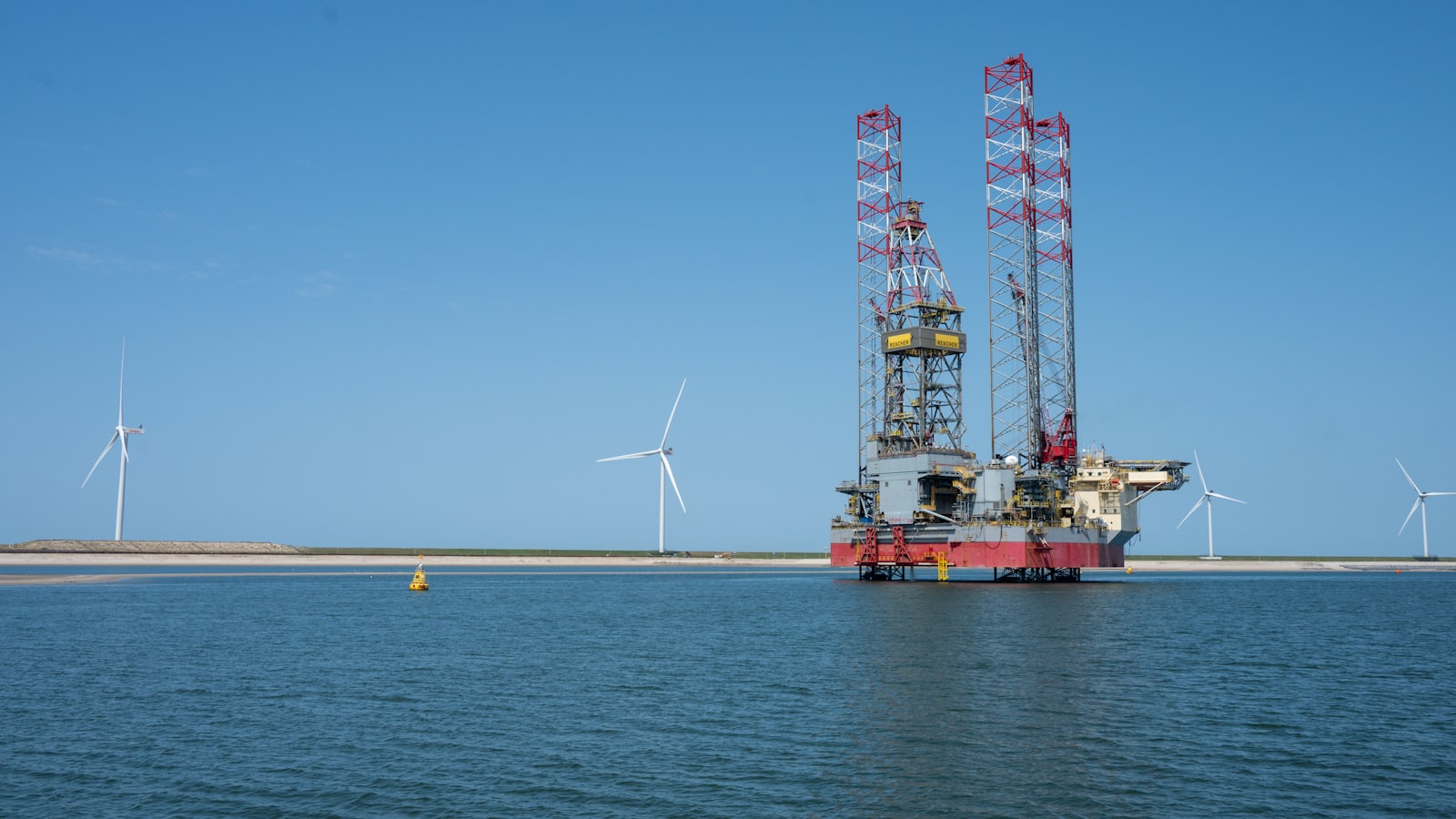
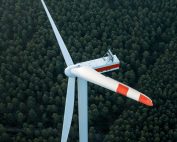
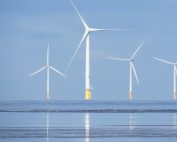
Wind energy is the largest single segment, with roughly 13,000 jobs. The study also records annual growth in gross value added of more than eleven per cent between 2010 and 2025, and identifies momentum in smart energy systems and grids, solar and bioenergy, alongside a research base with rising start-up activity. The authors describe the figures as a conservative calculation.
The work was carried out by a consortium of Prognos AG and cruh21, part of Drees & Sommer. Katharina Wilkskamp, one of the study authors at Prognos, said the mixed-method analysis showed the region is today among the most dynamic locations of the energy transition in Germany, pointing to employment, value added, the research landscape and the degree of networking between players.
On hydrogen, the study counts around 50 projects across Hamburg and the metropolitan region. Martin Wilferth of cruh21, who covered the hydrogen section, said the region already has a broad hydrogen ecosystem and that Hamburg has the potential to establish itself as a node for the production, import and distribution of hydrogen and hydrogen-based energy carriers in northern Europe, with the port playing a key role.
Melanie Leonhard, Hamburg's Senator for Economy, Labour and Innovation, said the energy transition had become an economic factor in its own right and that the region intended to use its strengths in renewables and hydrogen to secure value added and employment. Jan Rispens, managing director of EEHH, said the study would serve as a basis for developing the cluster strategy to 2030, noting that shifts in technology and prices, for example in battery storage, are changing the framework conditions for the energy sector.
EEHH is a public-private network of more than 320 companies, universities and institutions in the renewables and hydrogen sectors. Its members include turbine manufacturers, project developers, utilities, grid operators, research institutes and financial and legal service providers. For the wider North Sea and Baltic supply chain, the cluster's figures offer one of the few regional benchmarks for how much employment sits behind the German wind build-out.