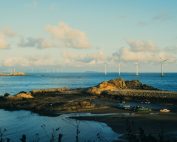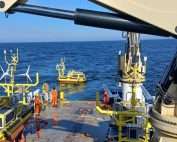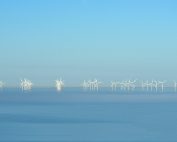
The European Commission has approved a €2.04 billion Belgian State aid scheme to support the first offshore wind farm in the Princess Elisabeth Zone in the North Sea. It is one of the first offshore wind schemes cleared under the Clean Industrial Deal State Aid Framework (CISAF), which the Commission adopted on 25 June 2025.
The wind farm is expected to have a capacity of up to 735 MW and to generate up to 2.6 TWh of electricity a year. The scheme will run for 20 years. Support will be awarded through a competitive tender, with the result expected in the fourth quarter of 2027. The scheme replaces an earlier Belgian measure approved in 2024 under the Temporary Crisis and Transition Framework, under which aid was not granted before the legal deadline of 31 December 2025.
The aid takes the form of a monthly variable premium under a two-way contract for difference. Payments are based on the wind farm’s capability, meaning the electricity it could have produced, rather than its actual output. The generator receives payments when the reference market price is below its bid price and pays back to the Belgian authorities when the reference price is above it. The Commission said this design keeps producers exposed to market signals and means they are not compensated for output during periods of negative prices, in line with the EU’s electricity market design rules.
The tender will also include Net Zero Industry Act criteria as prequalification requirements. Bidders will have to diversify their supply chains for wind turbines and main components to reduce dependency on imports from outside Europe.
The decision is relevant beyond Belgium. Two-sided CfDs are becoming the standard tool for offshore wind support in Europe, including in Poland, whose second-phase offshore auction is scheduled for 2027. The capability-based design and the resilience criteria approved here offer an indication of how the Commission is likely to assess similar schemes elsewhere around the Baltic Sea.