Two in three Poles (67%) say their country urgently needs an energy transition, and 81% expect it to reduce dependence on fossil fuels, including imported oil and natural gas, according to the eighth edition of the European Investment Bank’s climate survey, published on 5 November 2026.
The poll was carried out by Ipsos BVA between 3 and 25 August 2026 among 23,000 people aged 16 and over in all 27 EU member states, including 1,000 respondents in Poland. In Poland, 79% expect more stable or lower energy prices and 74% expect the transition to slow climate change. The EU-wide figures are 79% and 76% respectively. Stable or lower prices are the most important expected benefit in Poland and seven other member states; reducing import dependence comes first in 16 states and climate benefits in three.
Polish respondents reported being less affected by higher energy prices than most Europeans. Some 39% said their purchasing power had fallen significantly over the past 12 months, against an EU average of 60%. Within Poland, 31% cut daily spending on food or health, 19% reduced heating at home and 14% ran up debt, sought financial help or delayed paying an energy bill. Half of Poles (50%) changed how they use their car because of higher prices.
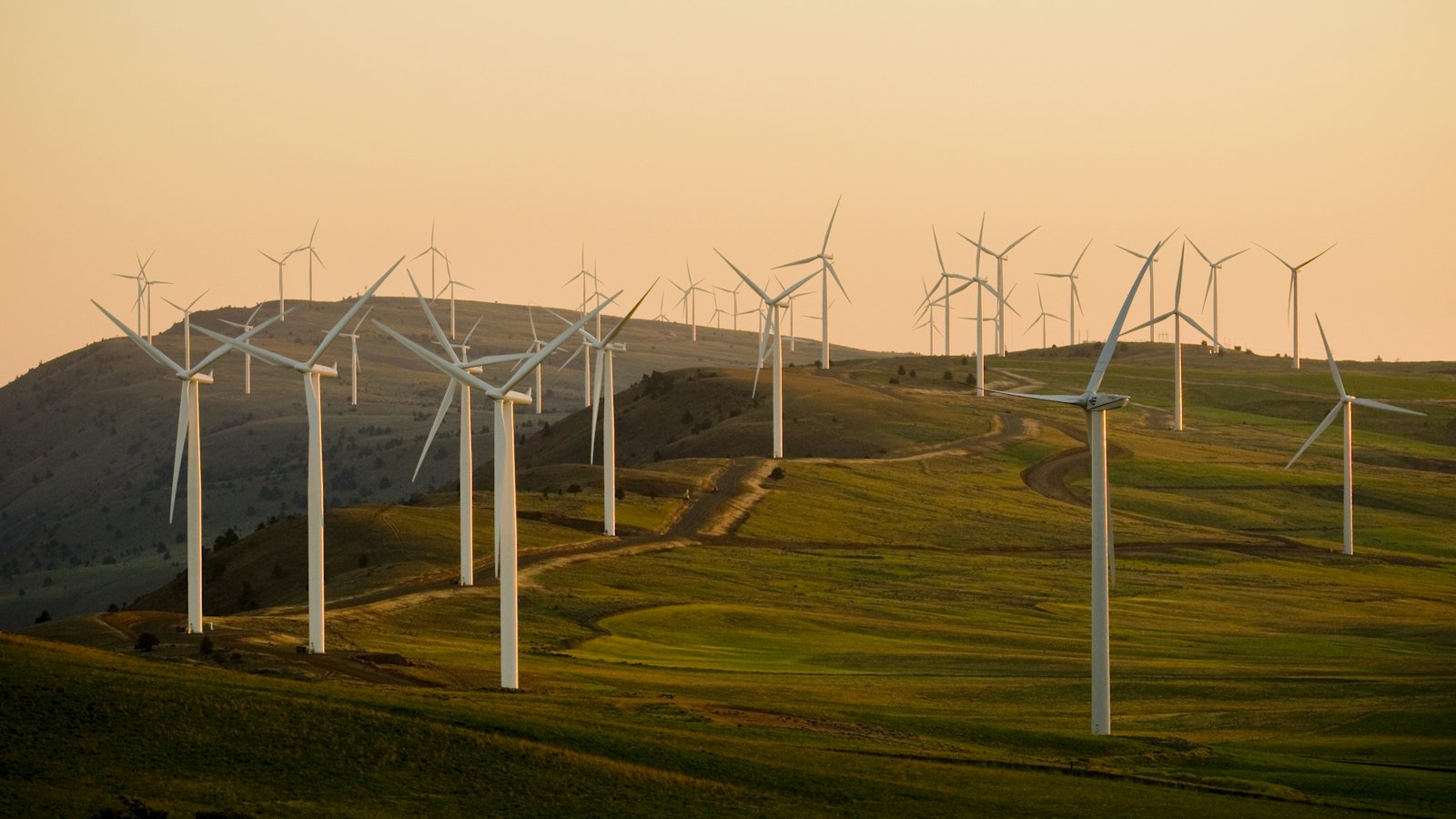
On technology policy, 82% of Poles want low-carbon energy to be prioritised (EU: 87%), and 53% would rather the EU build a competitive European clean-technology industry even if it takes longer, while 28% favour faster deployment using imported equipment. Among Poles who have installed solar panels, 60% said subsidies, tax breaks or low-interest loans were decisive, one of the highest shares in the EU, where the average is 41%. When asked which technologies should be prioritised, 38% named solar and 35% wind (EU: 52% and 37%). Some 72% want Poland to cooperate more closely with other EU countries, and 62% support pooling EU resources to finance the transition.
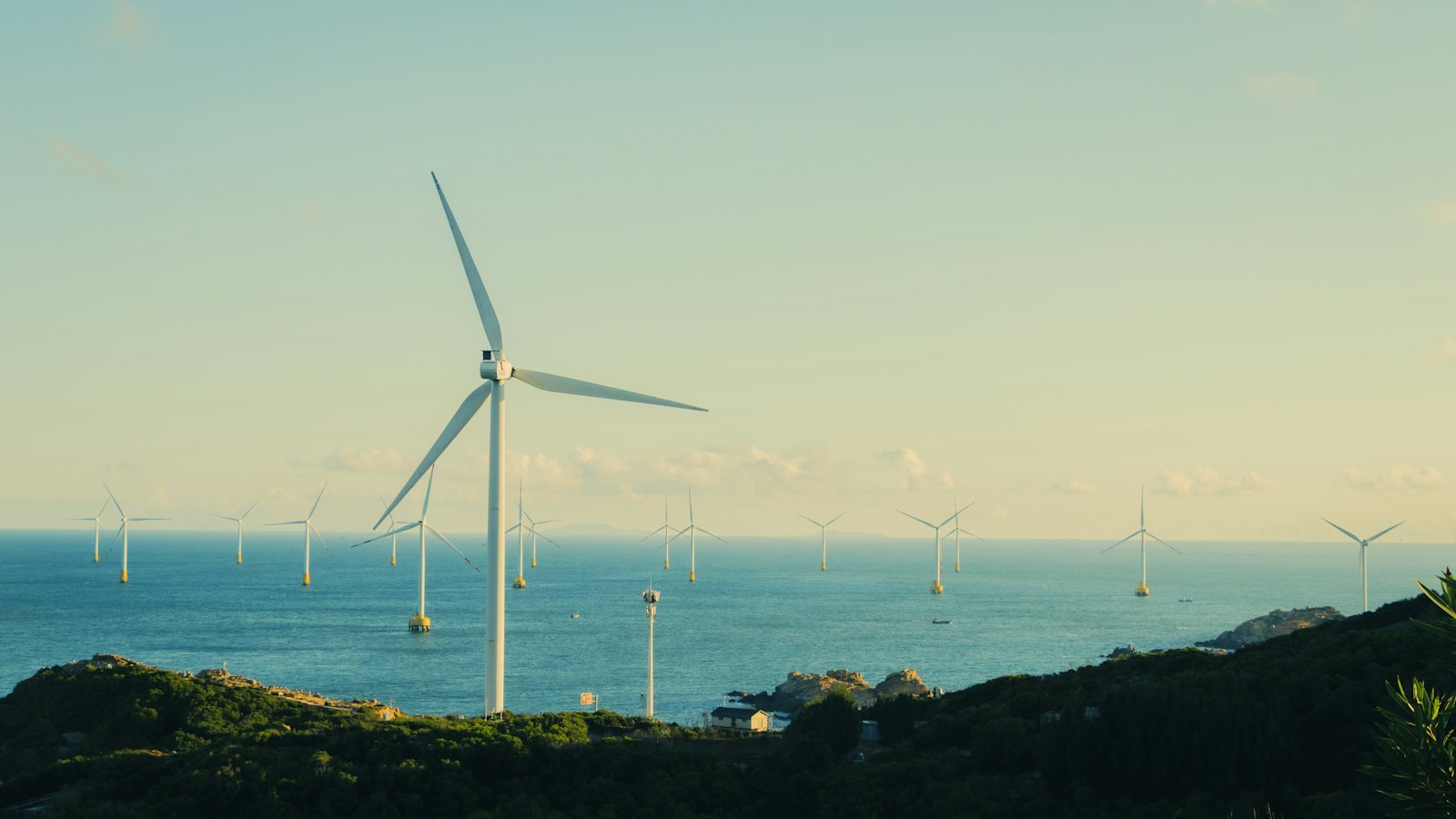
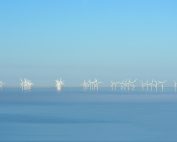
Marko Primorac, EIB Vice-President responsible for the bank’s activities in Poland, said Polish families and businesses want a transition that limits rising bills and improves security through greater European energy autonomy. The EIB Group says it committed a record EUR 5.5 billion to energy projects in Poland last year, including EUR 2 billion for offshore wind farms in the Baltic Sea, and is considering financing for Poland’s first nuclear power plant. The survey’s authors note that the 2022 and 2026 editions worded the question on expected benefits differently, so results can be compared by ranking but not by percentage.