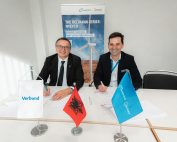
A technical secondary school in Gdynia is running Poland’s first Siemens Gamesa sponsored class, a five-year programme that puts electrical technician students in regular contact with the offshore wind industry from their first year. The Zespół Szkół Chłodniczych i Elektronicznych (ZSChiE) launched the class in 2025; according to the school, it is the fourth Siemens Gamesa sponsored class in Europe.
The central element is a six-month block with the employer before the final school-leaving exam. The school has merged three parts of the curriculum into one continuous period: the two months of work placement normally split across the summers after the third and fourth years, a two-month paid placement at Siemens Gamesa, and about two months of additional-skills classes scheduled for the fifth year. Siemens Gamesa funds and organises the training on its offshore projects, including Global Wind Organisation (GWO) certified courses, equipment and workwear. Students then return to school in December of their final year to sit the matura.
Industry contact from day one
In years one to four, Siemens Gamesa experts visit the school every month to run classes and offshore workshops, and students make annual visits to factories and project sites in Poland and abroad. The first cohort has already visited the onshore substation of the Baltica 2 offshore wind farm in Osieki Lęborskie, completed basic safety training at RelyOn and attended the EduPower 2026 fair in Szczecin. Students take their two vocational qualification exams after the third and fourth years.
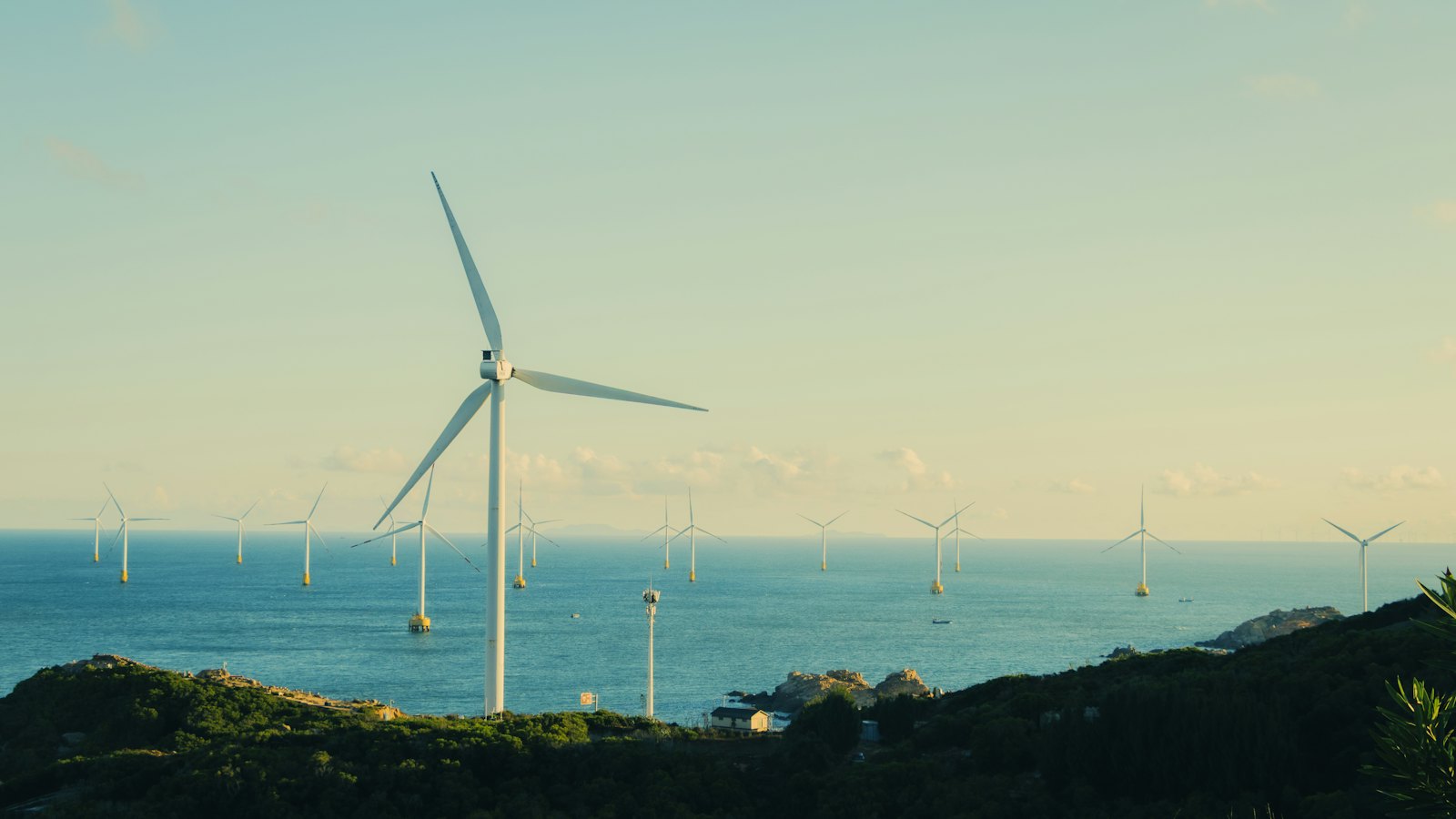
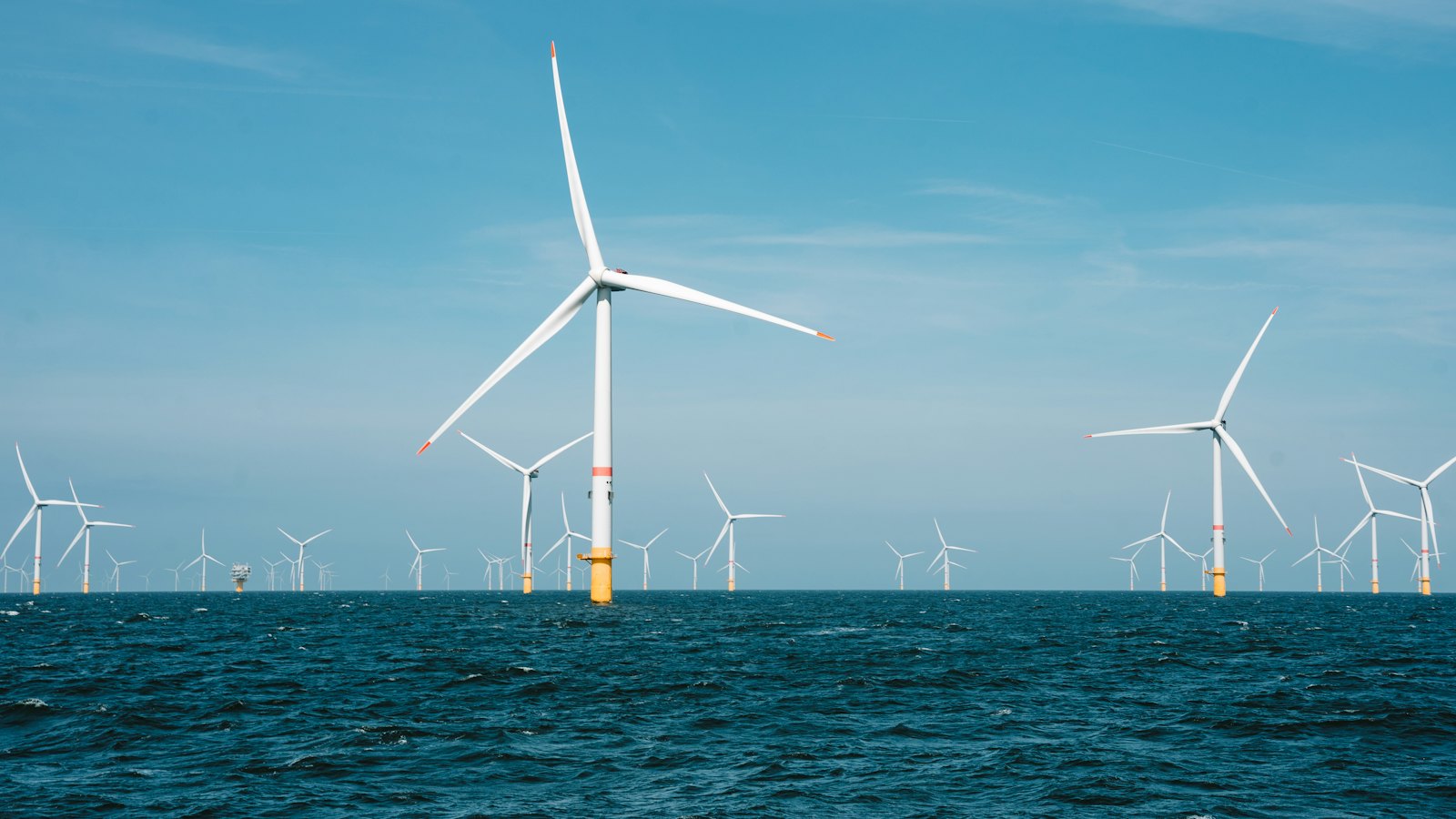
The school argues that the standard five-year technikum, with two one-month placements, does not give students enough exposure to offshore working conditions, safety requirements and the culture of an international employer. Siemens Gamesa job offers for offshore electric technicians require formal technical education in electrical engineering, electronics or mechatronics. Poland plans 5.9 GW of offshore wind by 2030 and up to 18 GW by 2040 under its updated National Energy and Climate Plan.
“Combining our expertise and experience with the commitment of vocational education is already delivering its first measurable results,” said Łukasz Kolasa, Head of Site Technicians at Siemens Gamesa Renewable Energy. Graduates are not bound to the company: they can join its trainee programme, which the school says includes a six-month paid traineeship, or work for other offshore employers in the Baltic.
Recruitment up, regulations lagging
The school now has two cohorts: a second-year class of 36 students and a first-year class of 34 that started in September 2026. The first group will leave for the six-month offshore block in summer 2029. The clearest early effect is on recruitment: a year ago applications matched the number of places, while this year there were 2.5 applicants per place.
School director Dorota Kotwicka said the main burden falls on the school and the City of Gdynia, which runs it. Polish education law plans staffing and budgets around a full school year and does not anticipate students leaving for six months, so the timetable, teaching posts and budget have to be rearranged to stay compliant. “Cooperation with business is not an add-on to vocational education, it is a condition for it,” Kotwicka said.
The school says the model can be transferred, but only with a partner large enough to fund five years of visits, training and certification for each new cohort, a committed local authority and a management team prepared for the extra work. For smaller companies it runs a lighter variant in which fifth-year students spend part of the week with an employer. The real test will come over the next three years, with the first qualification exams, the first offshore block and the first graduates entering the industry.