Germany’s market-based procurement of reactive power is operating well below its potential, according to a joint study by onshore wind developer Alterric and the consultancy E-Bridge Consulting. The market is fragmented, barely standardised and opaque, the authors conclude, with direct consequences for the efficiency and cost of the power system.
Reactive power is essential for maintaining voltage across the grid. Germany set the legal basis for procuring this system service through the market back in 2020, under Section 12h of the Energy Industry Act (EnWG). In practice the market is still young: tenders only began rolling out region by region in 2025. An analysis of those early tenders points to structural weaknesses. More than half closed without an award, price caps vary widely, and central information such as expected call-off volumes is often missing.
The cost consequences are concrete. When the capacity of decentralised assets goes unused, grid operators have to invest more in their own, usually more expensive, compensation equipment. Because those costs are recovered through network charges, the study argues that a better-functioning market would directly ease grid costs for both industry and households.
“We see that the market basically works, but is nowhere near exhausting its potential today,” said Alterric chief executive Frank May. The study identifies 11 measures to raise efficiency, four of which could be implemented quickly without regulatory change: cross-operator standard contracts, central publication of tenders, disclosure of expected call-off volumes, and transparent publication of results. Study lead Henrik Schwaeppe of E-Bridge cautioned that early outcomes should not be read as the measure of the market’s long-term potential.
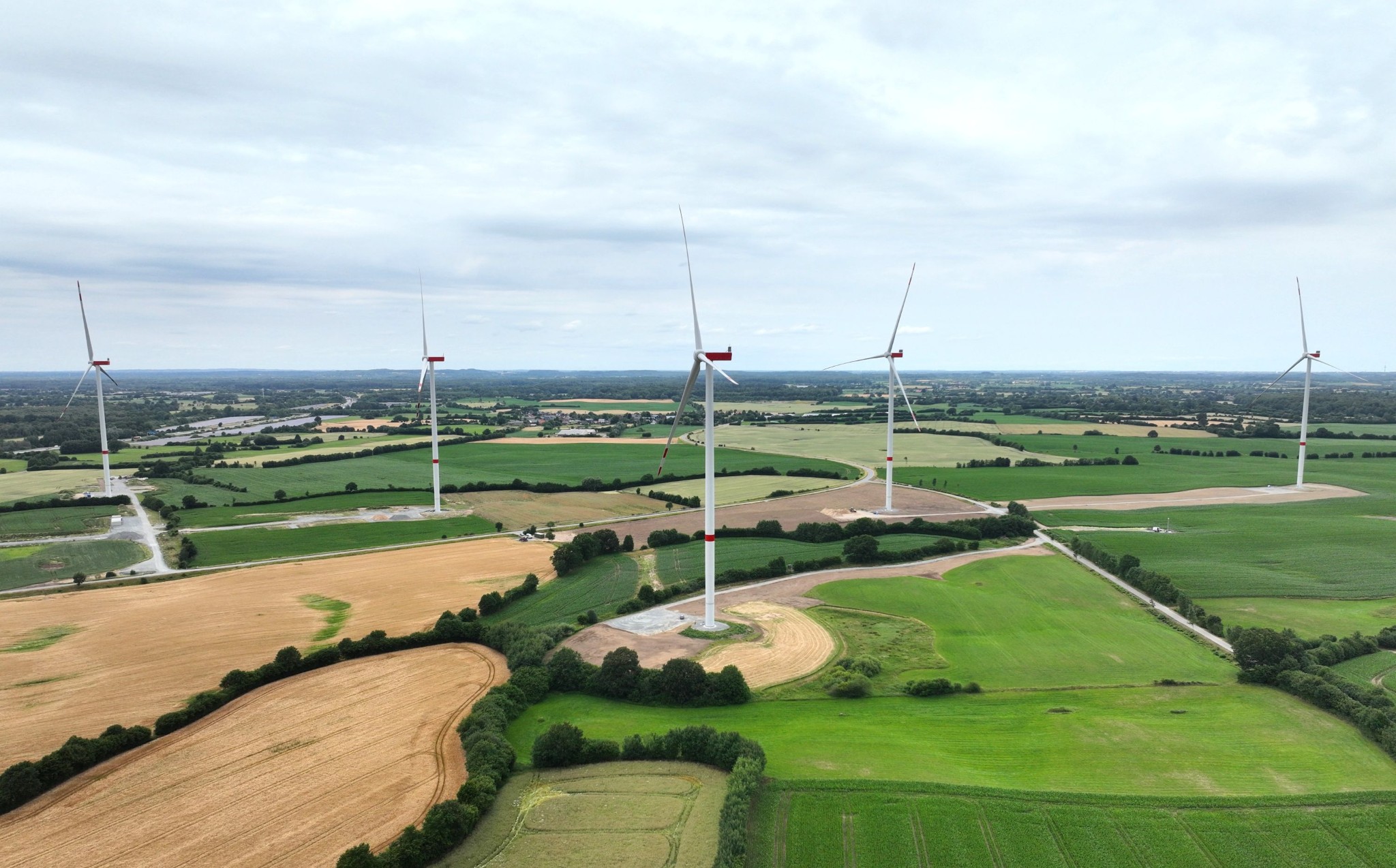
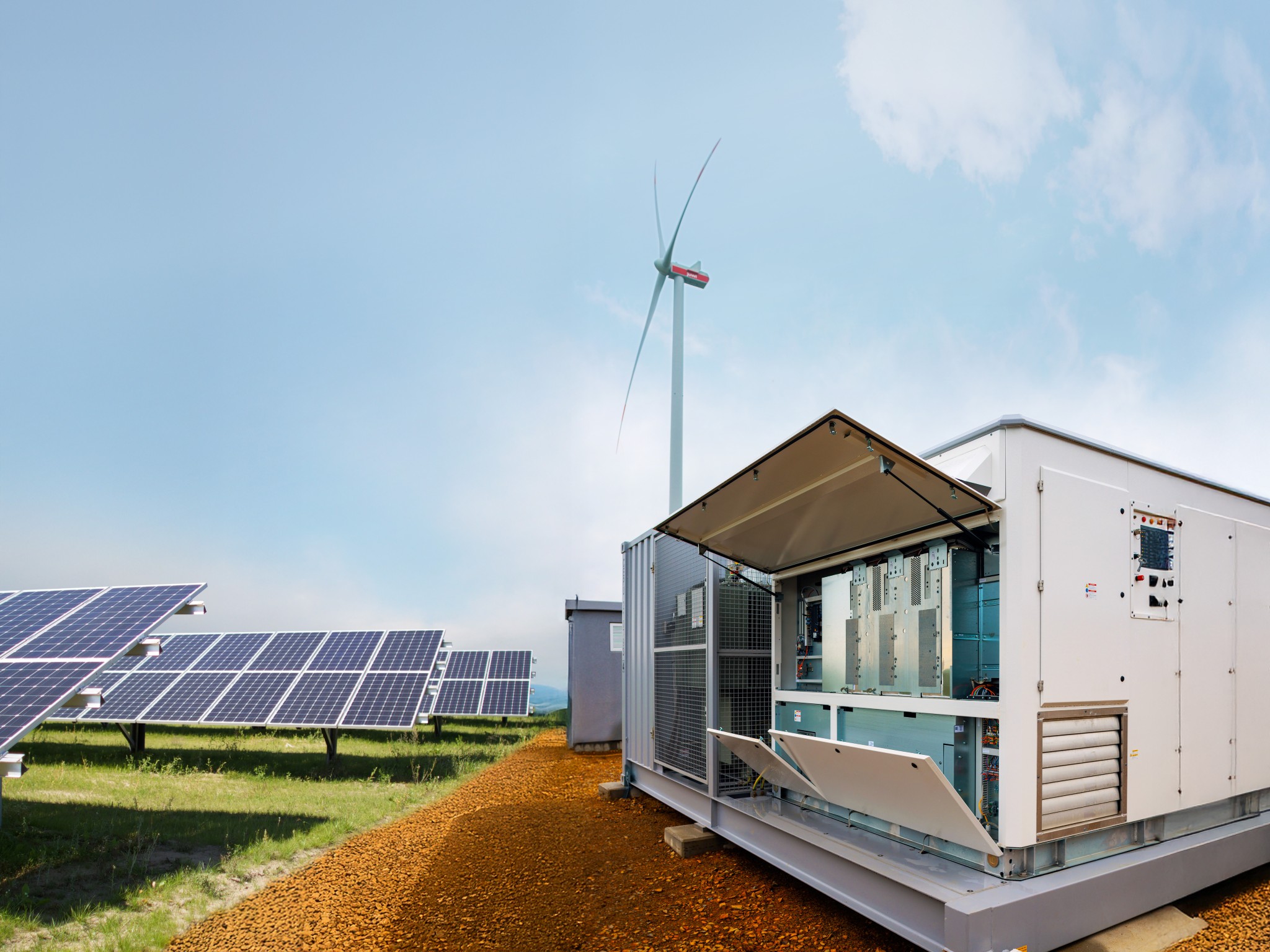
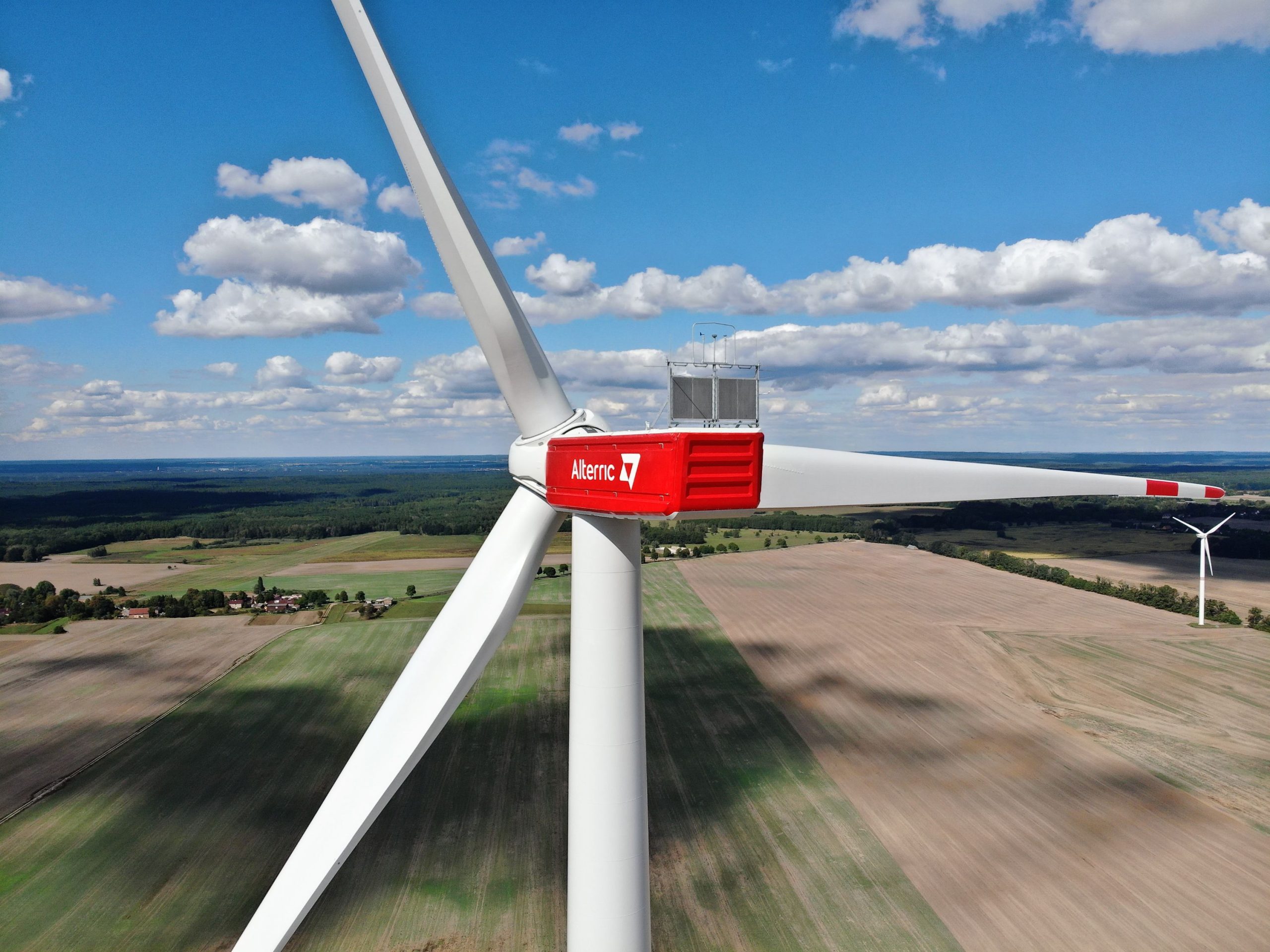
The findings carry weight beyond Germany. Wind farms can provide reactive power with relatively little additional outlay, and Alterric has been doing so from a portfolio of sites since April 2025. As Baltic Sea states scale up onshore and offshore wind and increasingly rely on renewables for system services, the German experience offers an early reference point for how to design markets for those services, and how not to.