Eurelectric has urged the European Union to keep the Emissions Trading System (ETS) at the centre of its climate policy as the scheme heads into review. The association argues that, for the second time in five years, Europe is paying the price of its exposure to imported fossil fuels, and that doubling down on the clean energy transition is the structural way out.
Since 2005, emissions in ETS sectors have fallen by around 50% while the EU economy grew by nearly 30%, Eurelectric notes, arguing the system reduces emissions while supporting growth. By pricing carbon and rewarding clean, domestic energy, it says, the ETS tackles the root cause of recent energy crises. Scrapping it would undermine climate targets and prolong industry’s exposure to volatile prices. In March, Commission President Ursula von der Leyen said the system “is working”, while stressing the need to modernise it.
In a letter to Climate Commissioner Wopke Hoekstra, Eurelectric set out three priorities for the review. First, a predictable and meaningful carbon price, supported by a more flexible Market Stability Reserve, fewer ad hoc interventions and stronger anti-volatility safeguards. Second, an ETS that supports industrial competitiveness by recycling revenues into clean investment through tools such as the ETS Investment Booster and the Industrial Decarbonisation Bank, and shielding sectors exposed to carbon leakage. Third, a socially just transition, with a predictable rollout of ETS2 for buildings and transport, targeted support for vulnerable households and an updated Modernisation Fund.
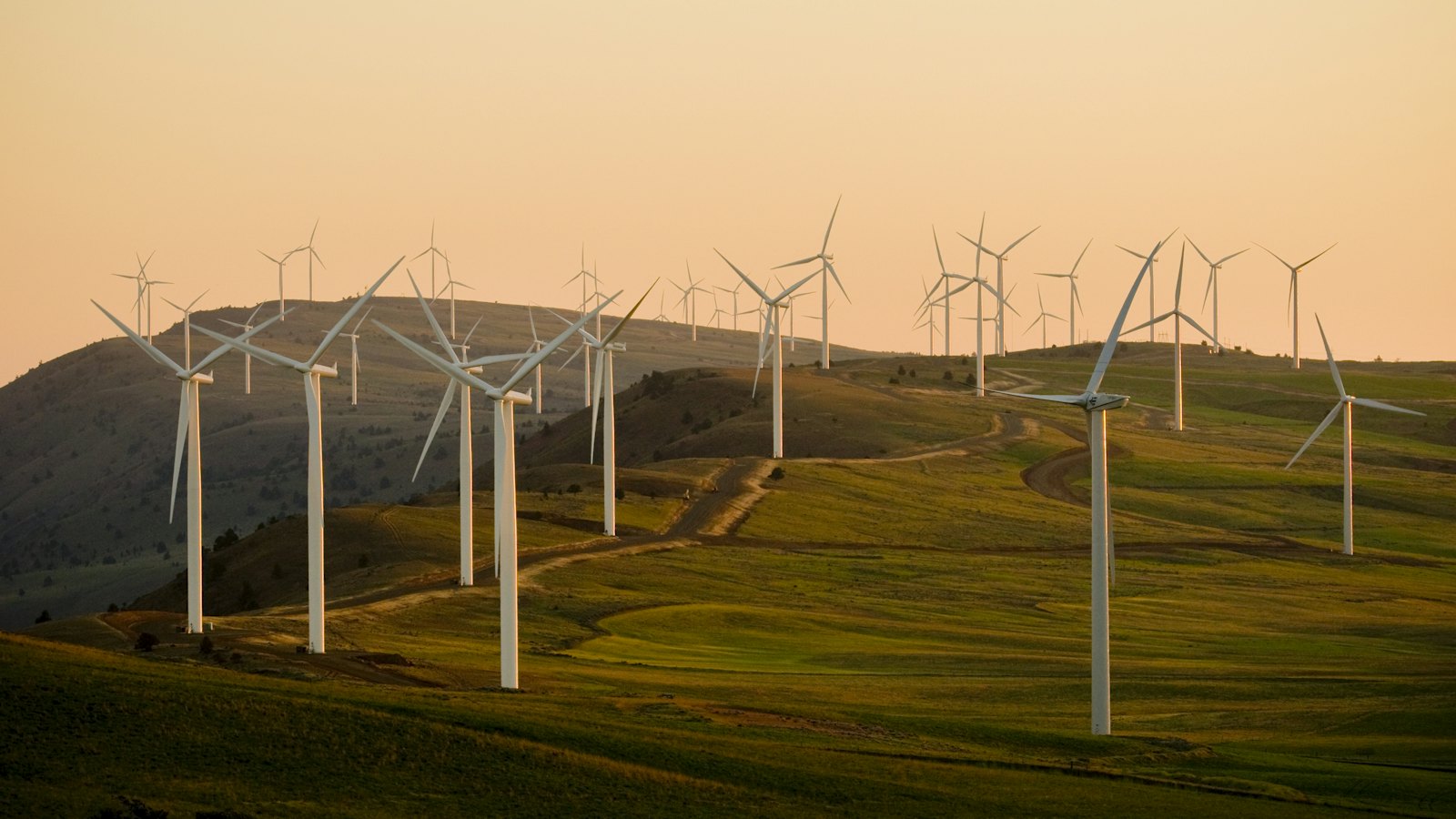
Eurelectric frames a well-calibrated ETS as delivering three things at once: faster decarbonisation, stronger industrial competitiveness and greater energy security. For wind-heavy Baltic markets, a stable carbon price remains one of the clearest signals underpinning investment in clean generation.