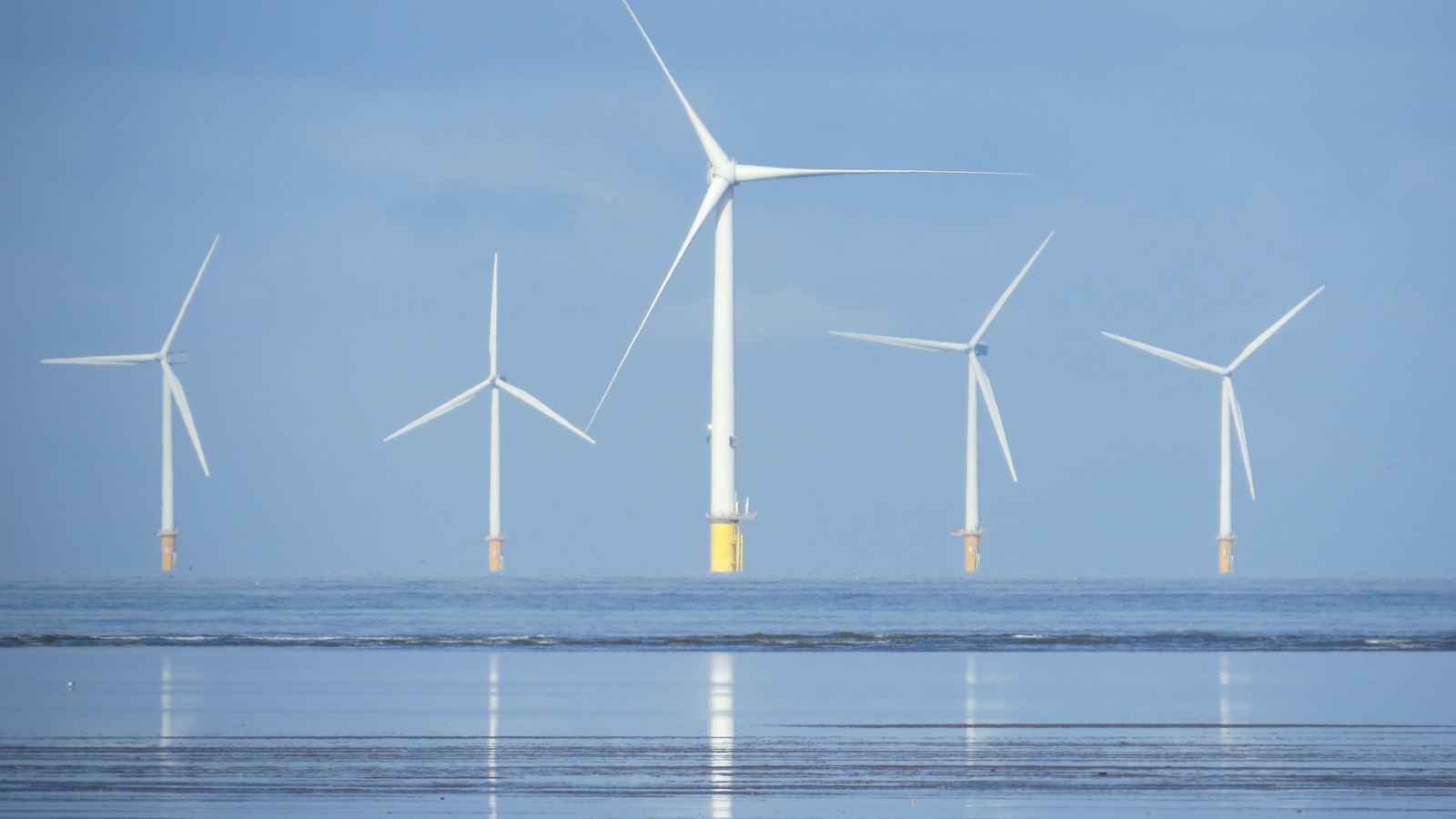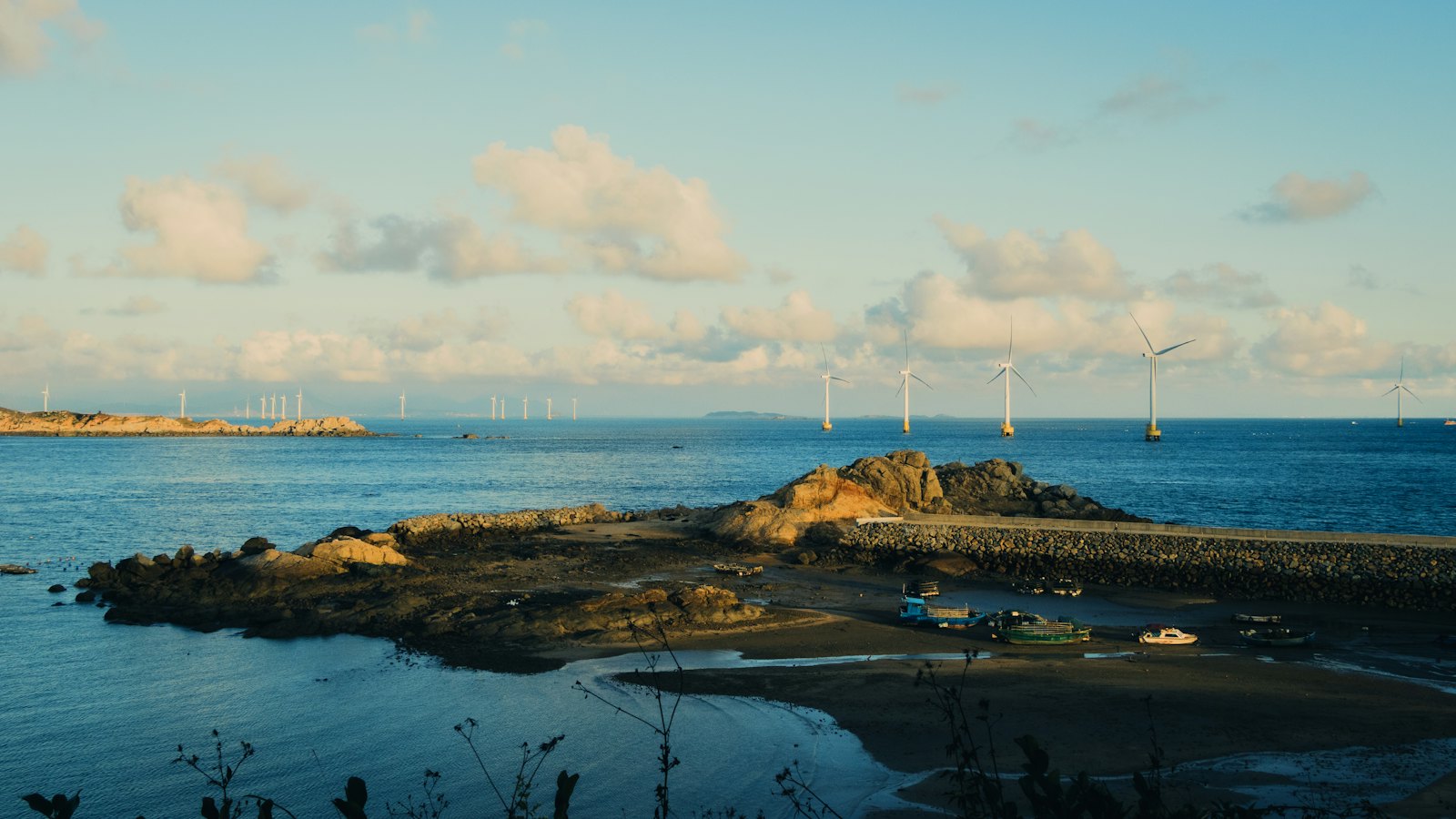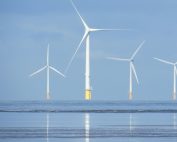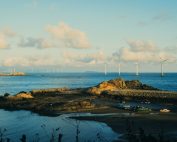
Along Poland’s north-western coast, a cluster of ports, factories and project offices is turning the West Pomeranian region into the centre of the country’s offshore wind build-out. Szczecin and Świnoujście anchor the effort, with installation terminals, component manufacturing and a widening supply chain forming around projects that will eventually add several gigawatts to the Polish grid.
The clearest marker is the Świnoujście Offshore Terminal, Poland’s first dedicated installation port for offshore wind, which entered service in mid-2025 under ORLEN Neptun. It combines marshalling and load-out functions, allowing turbine components to be stored, pre-assembled and shipped out to sea. Świnoujście already hosts an LNG terminal, and the addition of an offshore wind base has given the city a double role in Poland’s energy infrastructure. Further along the coast, ORLEN Neptun has reserved land at the Port of Kołobrzeg — the closest harbour to its next project area — to prepare a service base for crew transfer vessels.
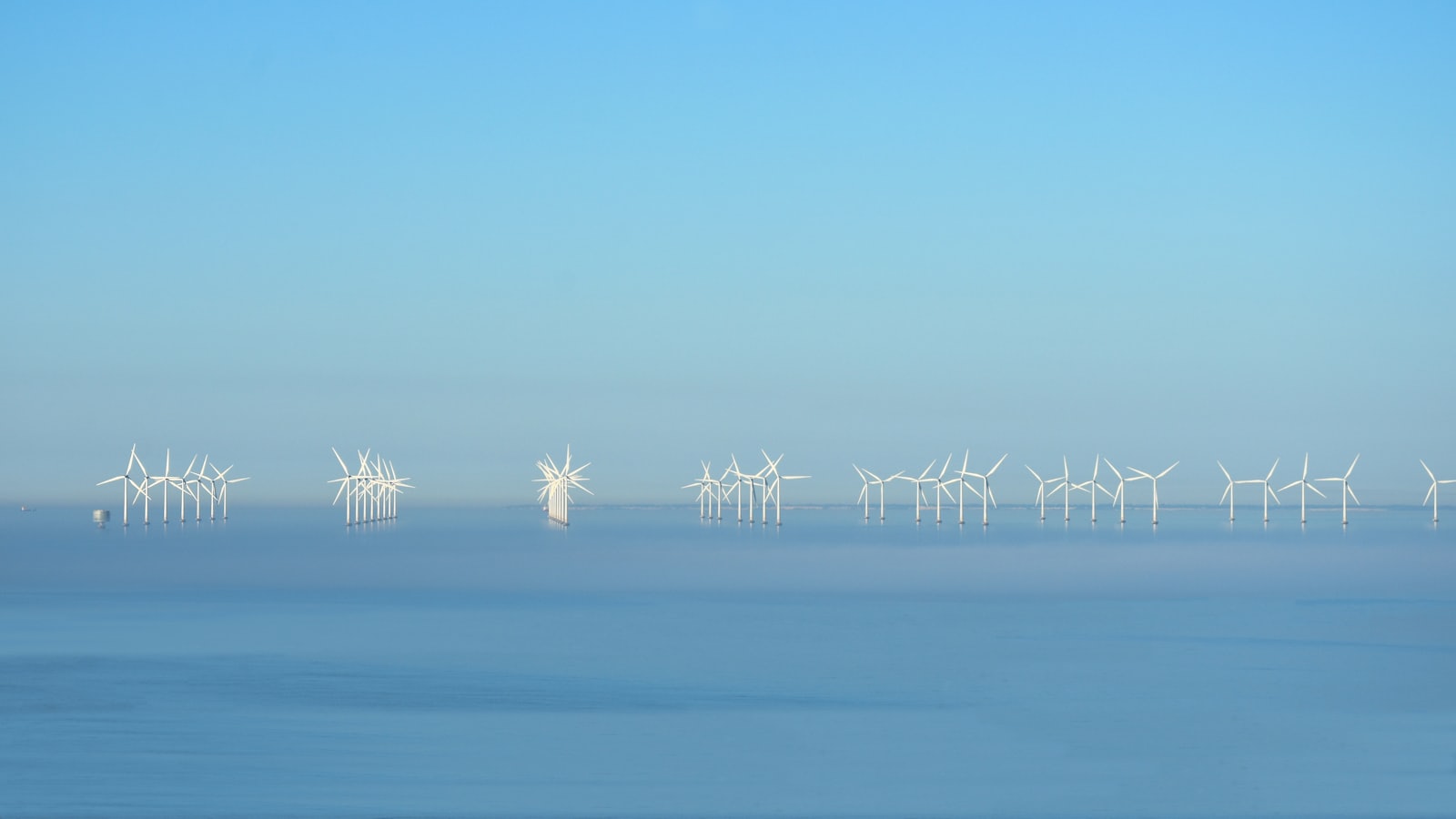
The projects driving this activity fall largely within ORLEN’s second phase of offshore development. Baltic East, a roughly 900 MW farm, won a contract in Poland’s first offshore wind auction in December 2025 and has moved into detailed engineering. Baltic West, a larger scheme of about 4 GW spread across four concessions in the Ławica Odrzańska (Oder Bank) area, is expected to deliver first power from 2034, with marine environmental surveys and seabed studies already under way. ORLEN Group has set a target of 12.8 GW of renewable capacity by 2035. In parallel, the PGE–Ørsted Baltica 2 farm — 1.5 GW across 107 turbines some 40 km off Ustka — is the largest offshore project currently under construction in Poland.
What sets the region apart is the effort to keep more of the work onshore in Poland. Engineering and design for Baltic East has gone to a consortium of PROJMORS ASE, Ramboll Polska and Enprom, drawing in research bodies such as the Maritime University of Szczecin and the Polish Naval Academy. Belgian manufacturer Smulders produces platform components at its plant in Żary and assembles them in Świnoujście before load-out for Baltica 2. And a plan by the state agency ARP and the Tele-Fonika Kable/JDR group would give Poland its first cable-laying vessel, easing a shortage of installation ships that constrains offshore projects across Europe.
“The formation of a domestic supply chain is a joint effort by suppliers, investors, public institutions and industry organisations,” said Janusz Bil, head of ORLEN Neptun, describing the local-content push. Industry figures argue the approach reduces reliance on a small pool of foreign vessels and specialist contractors, while building skills that remain in the country once construction ends.
The build-out carries a security dimension that regional policymakers increasingly stress. West Pomerania already generates more than 120 per cent of its own electricity needs from renewable sources — over four times the national average — and offshore wind is treated as a stable, domestic complement to imported fuels. At the Baltic Business Forum in Świnoujście, former prime minister and European Parliament president Jerzy Buzek pointed to Poland’s aim of 18 to 20 GW of offshore capacity by 2040, describing offshore as the most stable renewable source in the Baltic.
The pieces are still coming together. Baltic West’s first turbines are years away, the cable-laying vessel exists so far only as a letter of intent, and much of the supply chain is being built in parallel with the projects it serves. But the direction is set: over the next decade, the coastline around Szczecin and Świnoujście is positioned to become the industrial base for Poland’s move into offshore wind — and a test of whether the country can capture the manufacturing and the jobs, not only the megawatts.