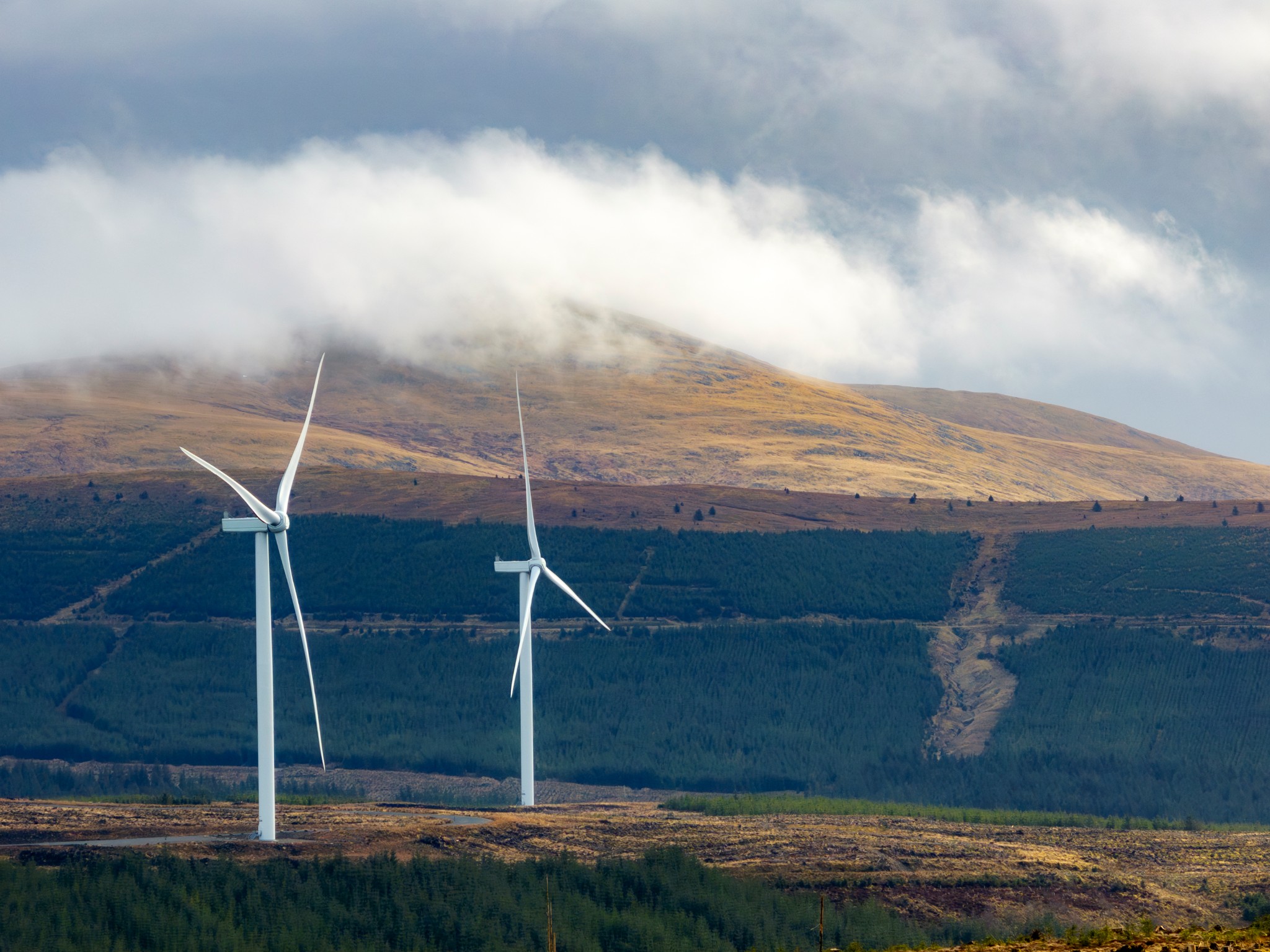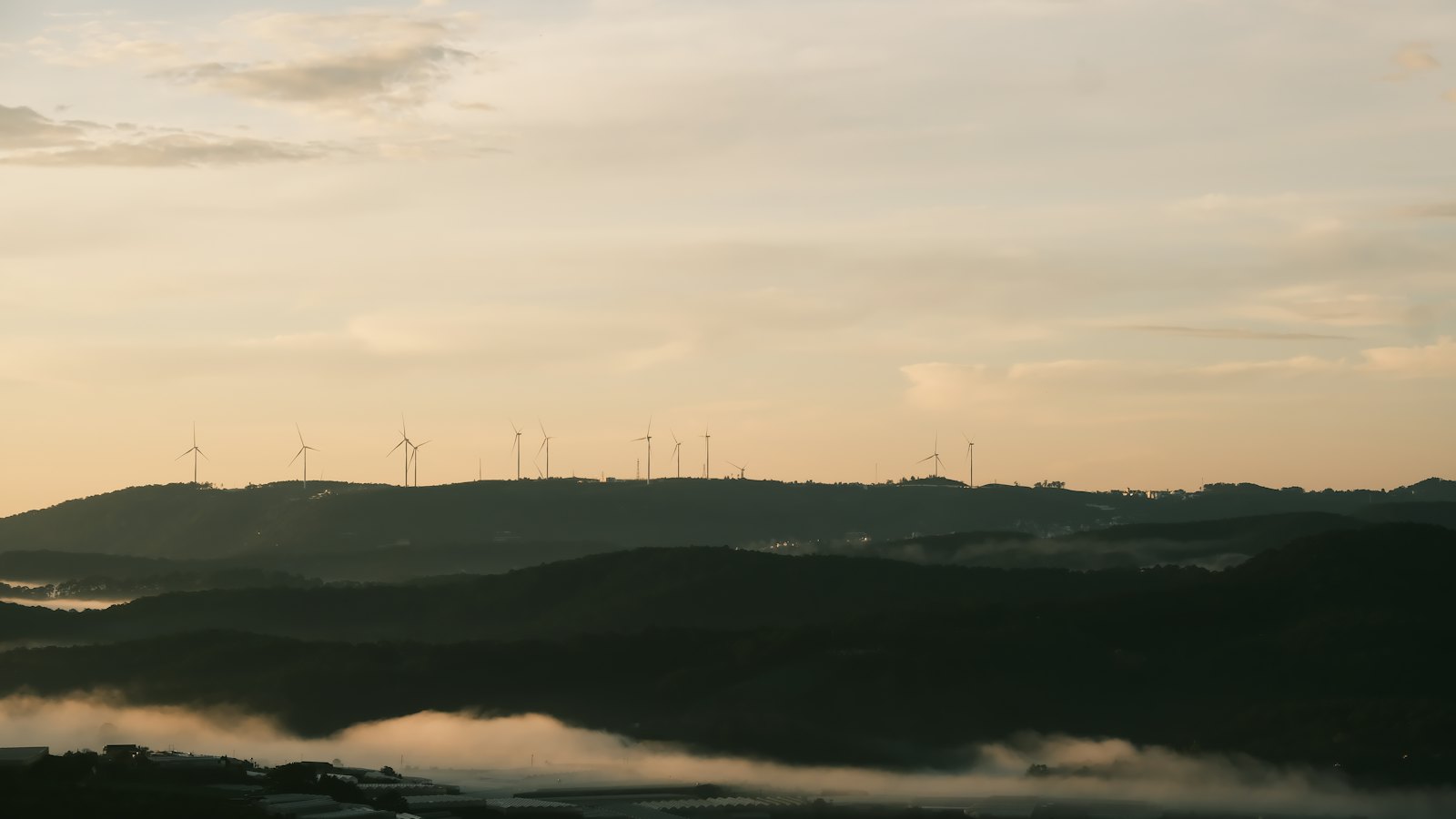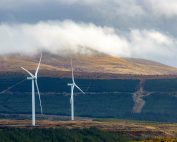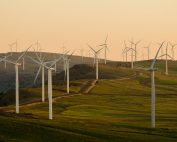
Dark Sky and ENERTRAG Systemtechnik have completed the first phase of a contract to supply and install aircraft detection lighting systems at wind farms in the Dutch province of Limburg. Two wind farms have been fitted so far, with further installations due in the coming weeks.
The systems switch on obstruction lighting only when an aircraft approaches, leaving the lights off for the large majority of operating hours. That cuts light emissions from turbines at night while still meeting aviation safety requirements — a persistent source of local friction around onshore wind in several European markets.
The Limburg contract builds on installations the two companies have already completed in the north of the Netherlands. Once the work is finished, the systems go through an approval procedure with the Dutch regulator Inspectie Leefomgeving en Transport, including test flights to demonstrate reliable operation under real conditions.
“With the successful project in Limburg we are consistently continuing our international growth strategy. The Netherlands is a strategically important market for us,” said Andreas Jurchen, Head of Sales for Dark Sky and ENERTRAG Systemtechnik. He said the aim was to equip further wind farms with the technology, linking aviation safety, public acceptance of wind energy and sustainability.
The two companies, both based in Prenzlau in Brandenburg, divide the work: ENERTRAG Systemtechnik develops and manufactures the lighting systems, while Dark Sky handles the regulatory framework for operating demand-controlled night marking — permitting, integration, operation and service.
Demand-controlled obstruction lighting has been mandatory for new German turbines for several years, and the German supplier base built around that requirement is now exporting the model. Poland and the Baltic states, where night-time turbine lighting features regularly in local opposition campaigns, are among the markets watching how the Dutch approvals proceed.