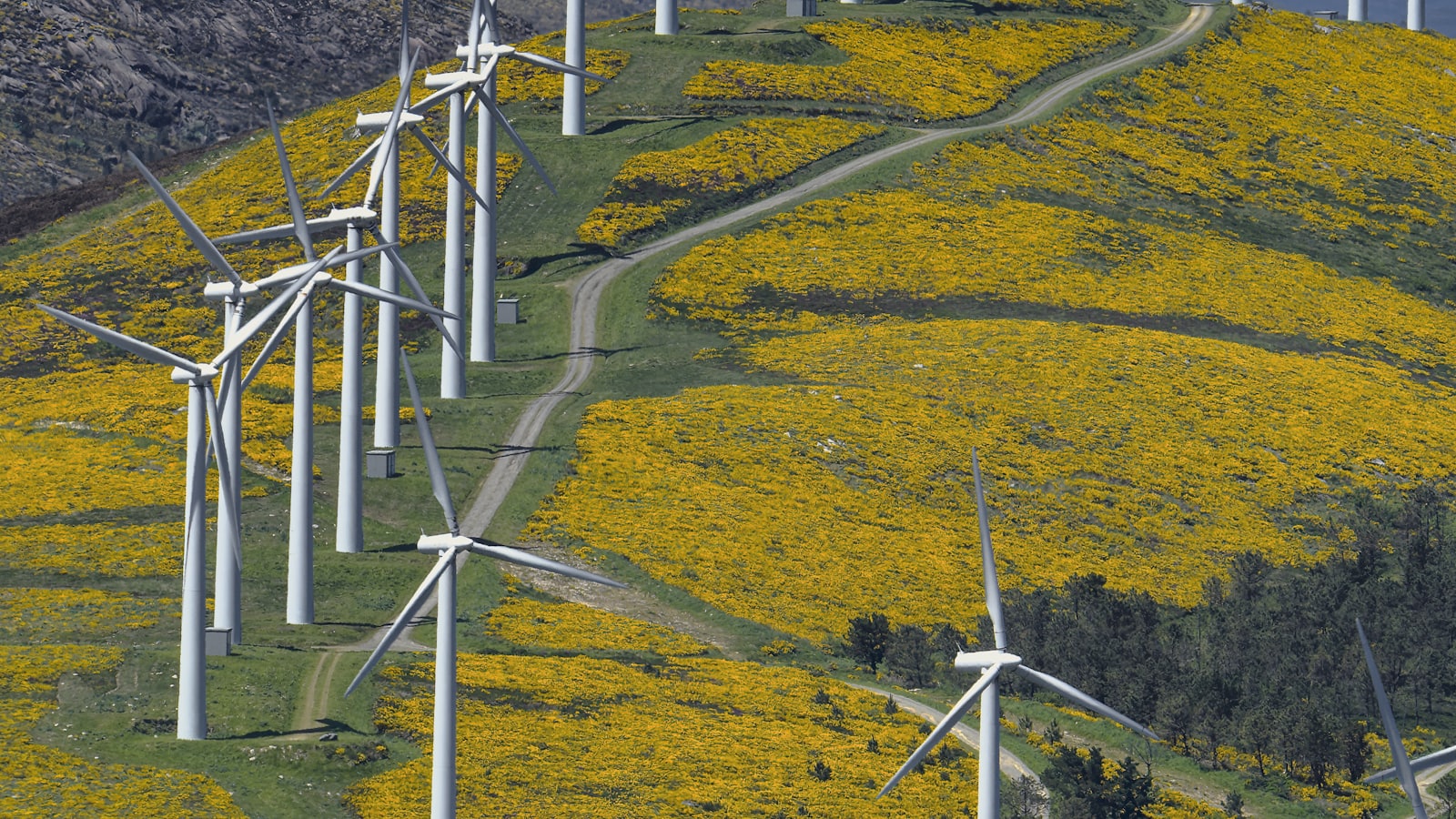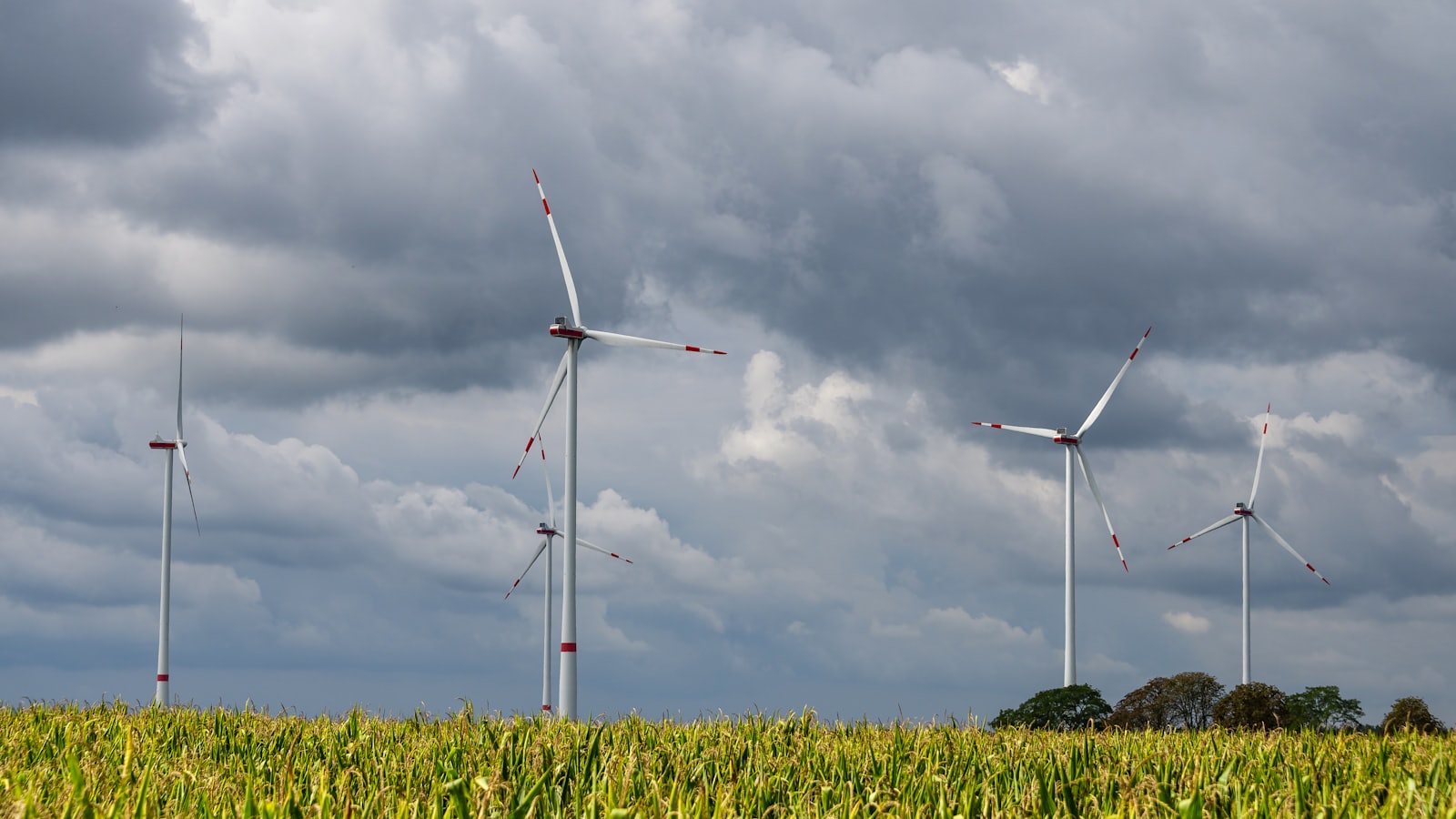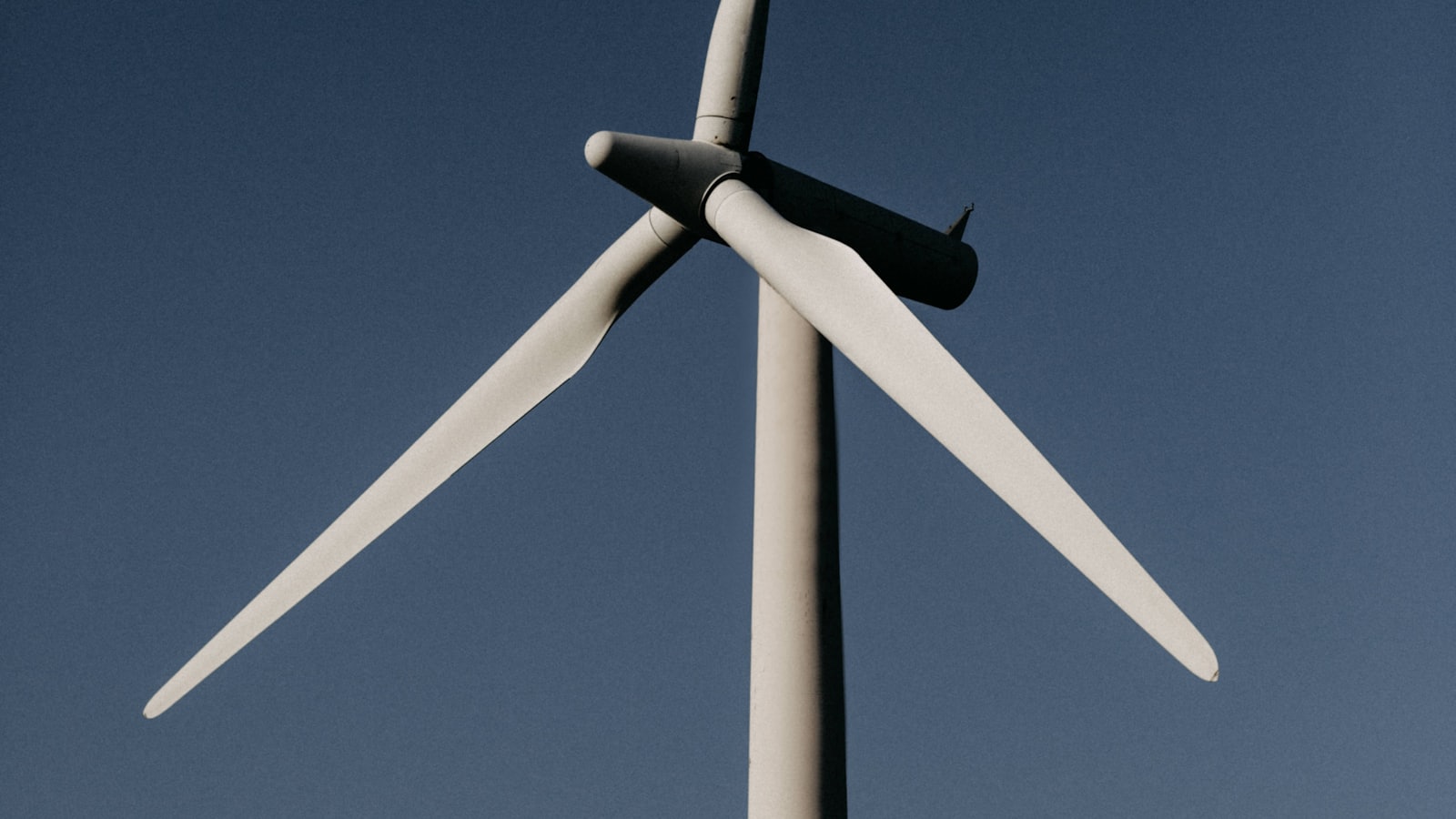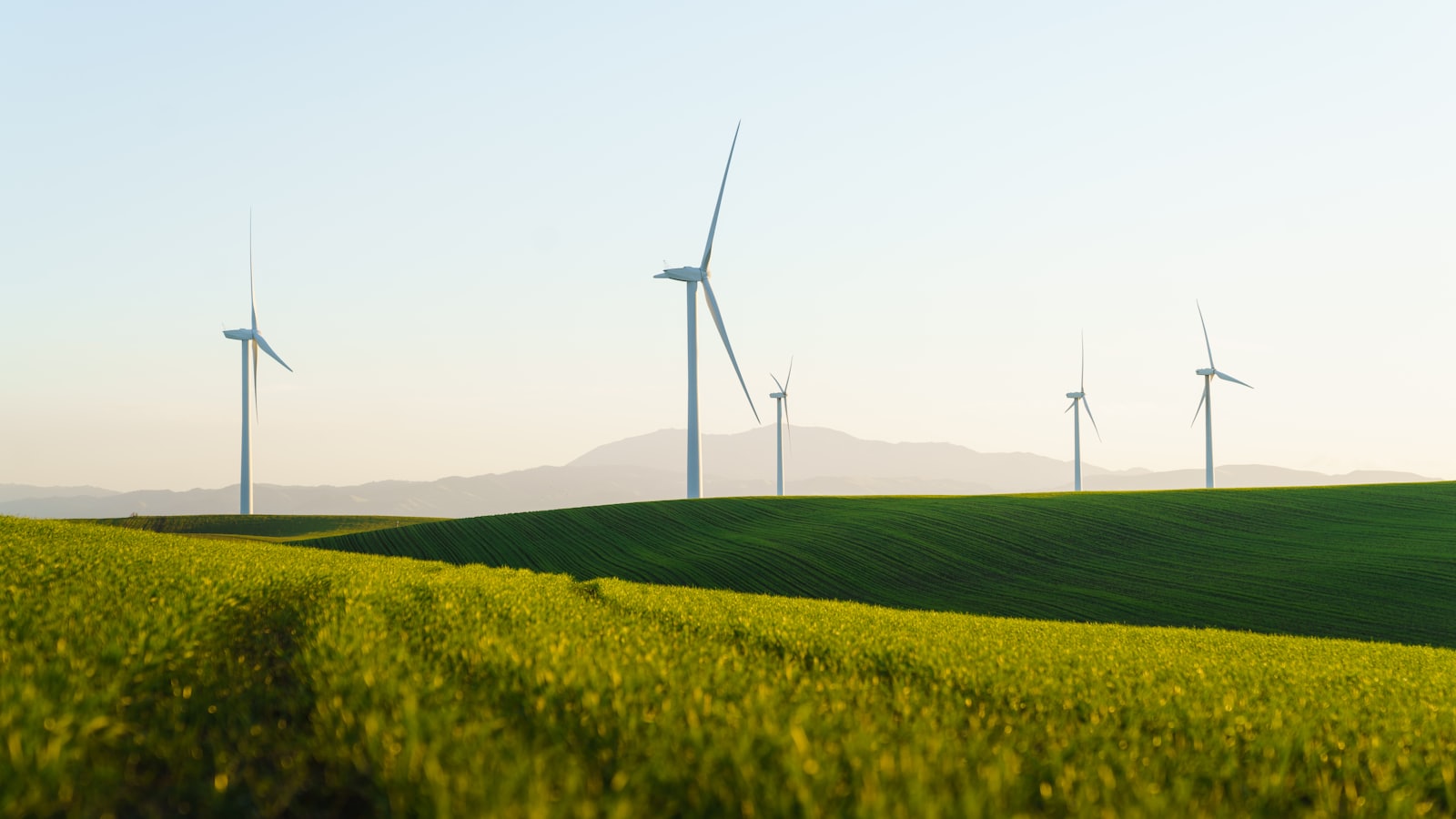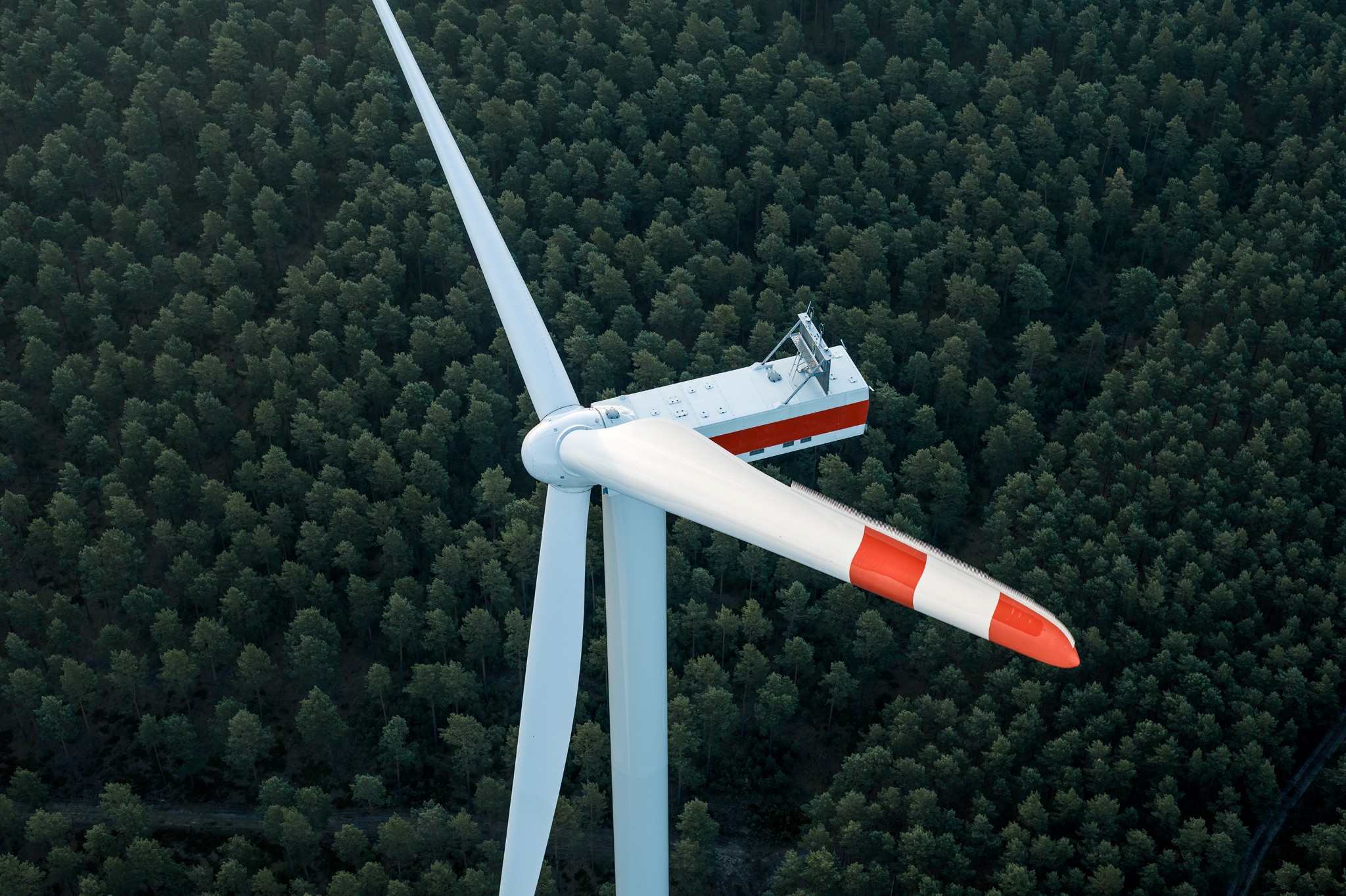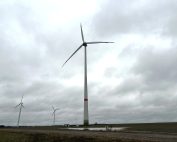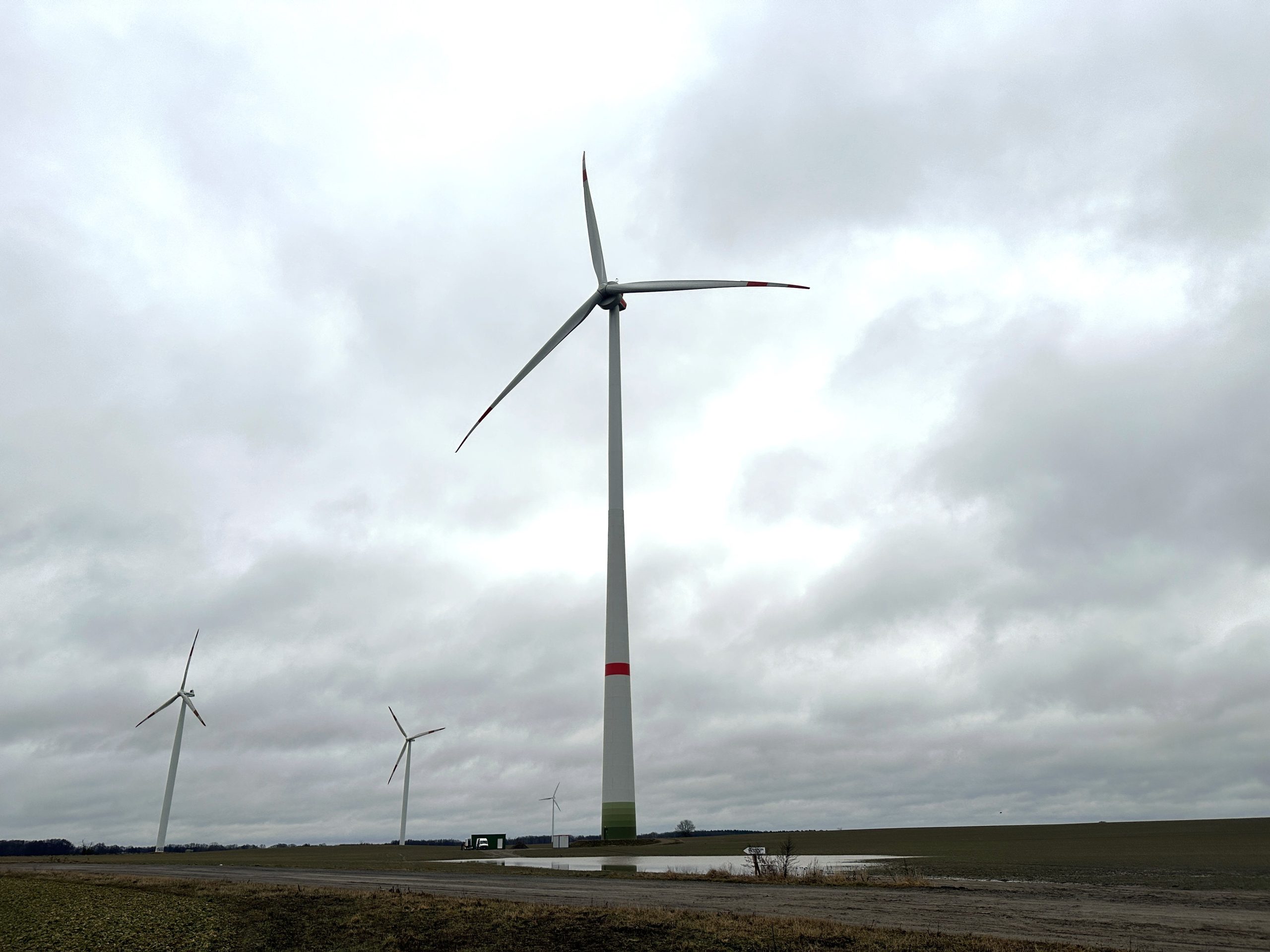
Energiequelle has fed the first kilowatt-hour from a new 4.2 MW turbine at Krummensee in the Barnim district of Brandenburg, more than five years after the permit for it was issued. The Enercon E-138 EP3 E2, on a 160-metre hub height, extends an existing wind farm in the Krummensee priority area within the municipality of Werneuchen.
The delay is the story here. The immission control permit was granted in July 2021. A legal dispute then held the project up for years, and in July 2024 the developer had to obtain a deadline extension simply to keep the permit alive. Only after the dispute was settled could preparatory work begin in September 2024, starting with archaeological surveys and the recovery of ground monuments before access roads and working areas could be built. Foundation work followed in March 2025.
The site itself is a good one. Energiequelle puts the site quality at just under 80 per cent, which the company says gives a solid basis for long-term output. The turbine adds to a wind farm that already includes the earlier Krummensee IV project, and a further turbine is planned for the location.
Compensation measures formed part of the consent. A field depression was rewetted to create a body of water with adjoining foraging ground, establishing a crane habitat alongside the wind farm.
“This project has been with us for many years and repeatedly presented us with new challenges. That makes us all the more pleased that the turbine is now successfully in operation,” said Vincent Wahrenburg, project manager at Energiequelle, thanking the authorities, partners and contractors involved.
For readers tracking permitting reform, Krummensee is a useful data point. Germany has spent the past two years accelerating its approval procedures, but a single-turbine extension on a permitted site in a designated priority area still took five years to reach the grid, most of it lost to litigation rather than to the authorities. Poland and the Baltic states are writing their own onshore permitting rules against the same problem: the bottleneck is rarely the first permit, it is everything that can be filed against it afterwards. Energiequelle, founded in 1997 and based in Kallinchen, has connected more than 850 installations across Europe and South Africa.