The German federal cabinet adopted the draft bill amending the Offshore Wind Energy Act (Windenergie-auf-See-Gesetz, WindSeeG) on 2 September 2026, according to the energy research institute IWR. The bill now moves to the parliamentary process, where the terms on which German offshore wind is auctioned, secured and built are open for revision.
The amendment is broad rather than technical. The offshore wind association BWO, which has convened four law firms from its legal advisory board to assess the text, groups the changes into five areas: auction design, securities and realisation deadlines, industrial policy and resilience, environmental rules, and operation and decommissioning.
On auction design, BWO identifies three items in particular: the so-called either-or procedure, the introduction of maximum values for offshore wind tenders, and two-sided contracts for difference. The last of these is the structural change. A two-sided CfD caps revenue on the upside as well as supporting it on the downside, which alters the risk profile of a project and, with it, the cost of capital that developers and lenders price in.
The second area covers the securities, realisation deadlines and penalties attached to a winning bid. BWO frames the question as whether those requirements are calibrated to the expansion targets and the build-out path, and flags the effect on international cooperation projects – relevant wherever a German zone connects to a neighbouring market.
Under industrial policy, the association points to resilience criteria in tenders, centrally pre-investigated sites, and the implementation of the EU Net-Zero Industry Act. On the environmental side it lists amendments to nature conservation rules, a centrally coordinated environmental monitoring regime in the exclusive economic zone, and the abolition of the 2K criterion. For the operating phase, BWO argues that continued operation and decommissioning should be treated as a single lifecycle decision, and raises the question of offshore rescue infrastructure in the EEZ.
BWO managing director Stefan Thimm has said that further changes are needed during the parliamentary stage to secure the delivery of offshore wind projects reliably. The association has not published a position on the final text, and the cabinet draft may change before it reaches a vote.
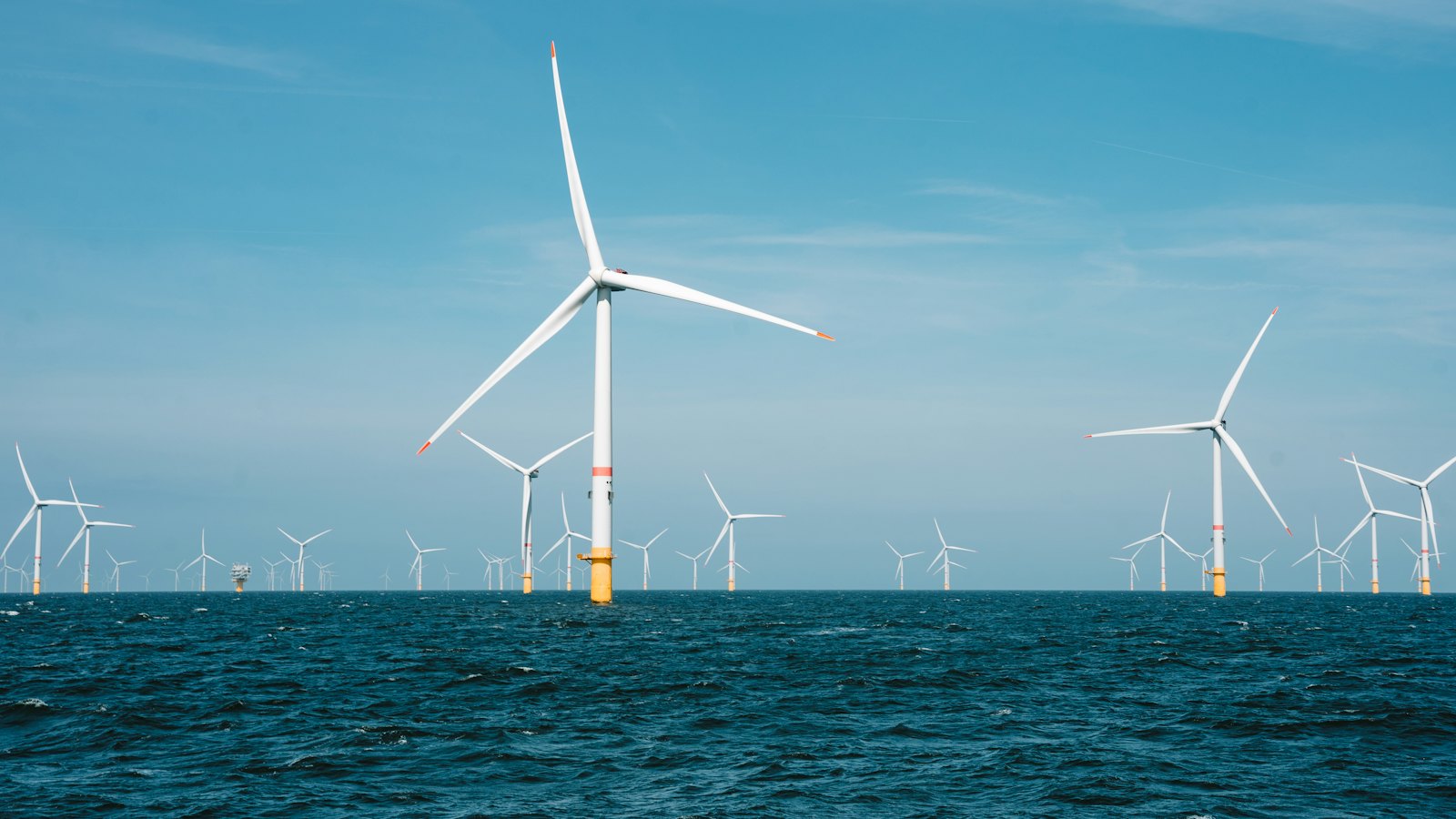
For the Baltic, the relevance is direct. Germany’s Baltic Sea zones compete for capital with its North Sea zones and with tenders in Poland, Denmark and the Baltic states. Auction terms set in Berlin over the coming months will influence which projects in the region clear a final investment decision and when.