The European Investment Bank has granted Elia Transmission Belgium a 1 billion euro green credit facility for the second phase of the Princess Elisabeth Island, the artificial energy hub under construction around 45 kilometres off the Belgian coast. Elia says it is the largest loan the EIB has ever extended to a single energy infrastructure project in the Benelux.
The facility will fund, among other items, the 220 kV high-voltage substation on the island, the 66 kV switching stations, the transformers and the alternating-current links to the mainland. Power will reach shore through six three-phase 220 kV AC cables running from the island to an onshore 220 kV substation. A first drawdown was made at the end of July.
The loan follows a 650 million euro green facility the EIB granted in 2024 for the project’s first phase, and comes weeks after the 23rd and final foundation element was installed, closing the island’s structural construction phase. Elia says the terms help contain the project’s financing costs and, by extension, the burden on Belgian consumers. The project has also been aligned with the EIB’s TechEU programme as a first-of-its-kind construction.
“Energy prices are a major concern for citizens, and a key reason for the EIB to invest in a better integrated and more resilient European energy system,” said EIB Vice-President Robert de Groot. Frédéric Dunon, chief executive of Elia Transmission Belgium, called the financing “a strong endorsement of the project’s long-term value”. Belgian climate minister Jean-Luc Crucke linked the island to the country’s energy sovereignty and to widespread electrification.
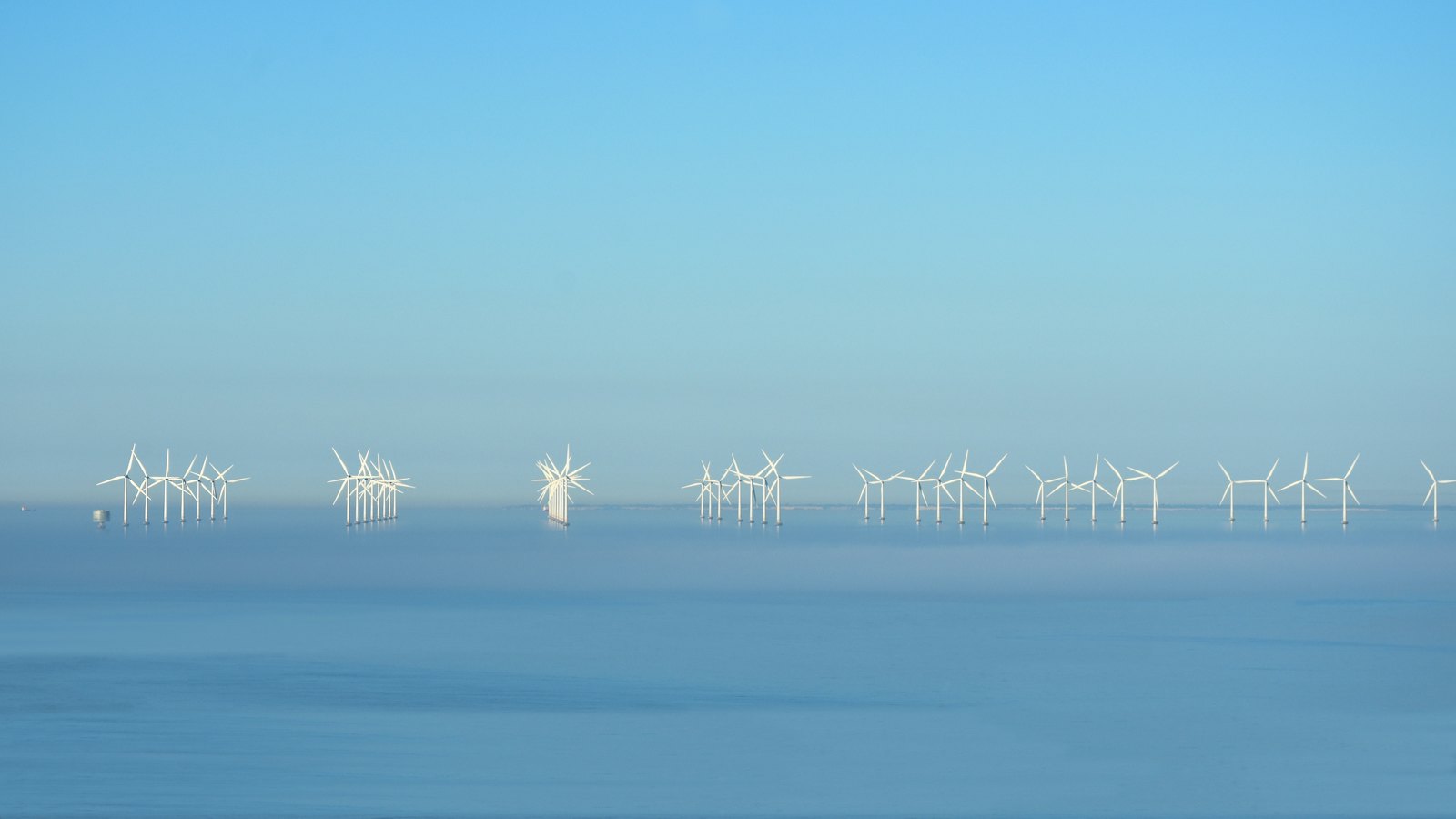
The island is designed to connect the Princess Elisabeth Zone, Belgium’s second offshore wind area, and to host a future interconnector with the United Kingdom. Work on the structure, cabling and electrical installations continues over the coming years, with the first wind farms in the zone due to connect from 2031.
For the Baltic, the project is the closest working reference for the energy-island model that Denmark has planned at Bornholm and that grid operators around the sea are studying for hybrid offshore hubs. The Belgian case shows both the scale of public financing such hubs attract and the timeline involved: more than a decade from concept to first connected turbine.