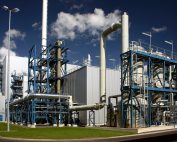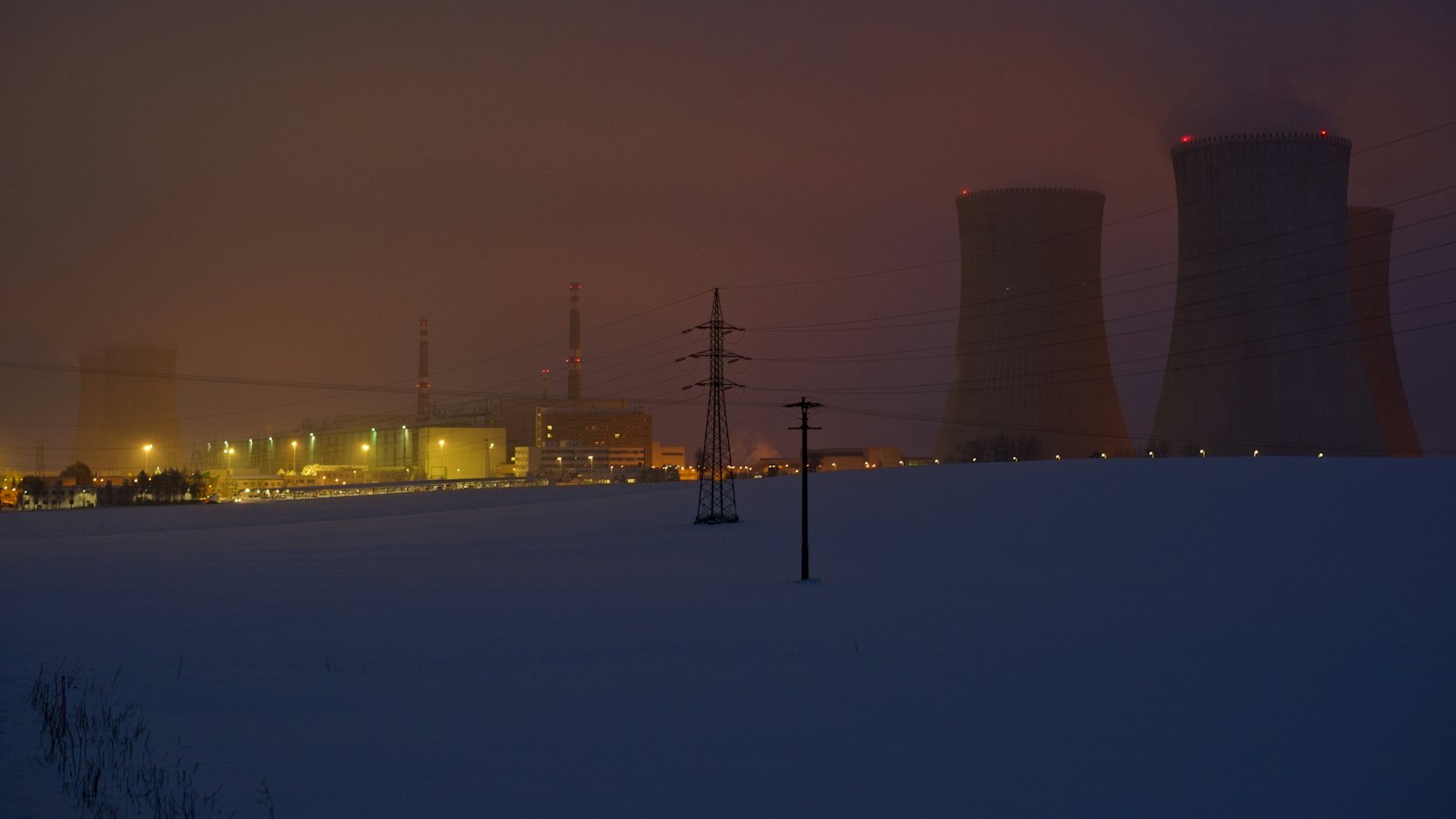
Finland’s Minister of Climate and the Environment Sari Multala led a delegation of Baltic energy ministers to Posiva’s spent nuclear fuel encapsulation plant and final disposal facility in Eurajoki on 7 September 2026. Estonia’s Minister of Energy and the Environment Andres Sutt and Latvia’s Minister for Climate and Energy Jānis Vitenbergs joined the visit, alongside a representative of Germany’s Federal Ministry for Economic Affairs and Energy.
The visit comes at the final stage of a licensing process that began in 2021. On 4 August the Radiation and Nuclear Safety Authority STUK issued a favourable statement on the facility’s operating licence and safety assessment, which was a precondition for the licence to be granted. The Ministry of Economic Affairs and Employment can now prepare a proposal for the Government to rule on Posiva’s application, and Multala said that proposal could go to the Government in October.
“Posiva’s encapsulation plant and final disposal facility are technically ready and can be put into operation soon,” Multala said, describing the outcome of more than 40 years of work as the first final disposal facility for spent nuclear fuel in the world. “The project is a good example of how both generating nuclear power and disposing nuclear waste can be managed responsibly.”
The delegation also travelled to Helsinki to see Steady Energy’s small modular reactor pilot. The company is building a full-size pilot plant for its LDR-50 district-heating reactor at the decommissioned Salmisaari coal power plant in the city centre. The pilot will carry no nuclear fuel; the water in the reactor loop is to be heated with electrical resistors. Multala said the government is promoting SMRs to decarbonise heating and reduce the need for combustion while improving security of supply.
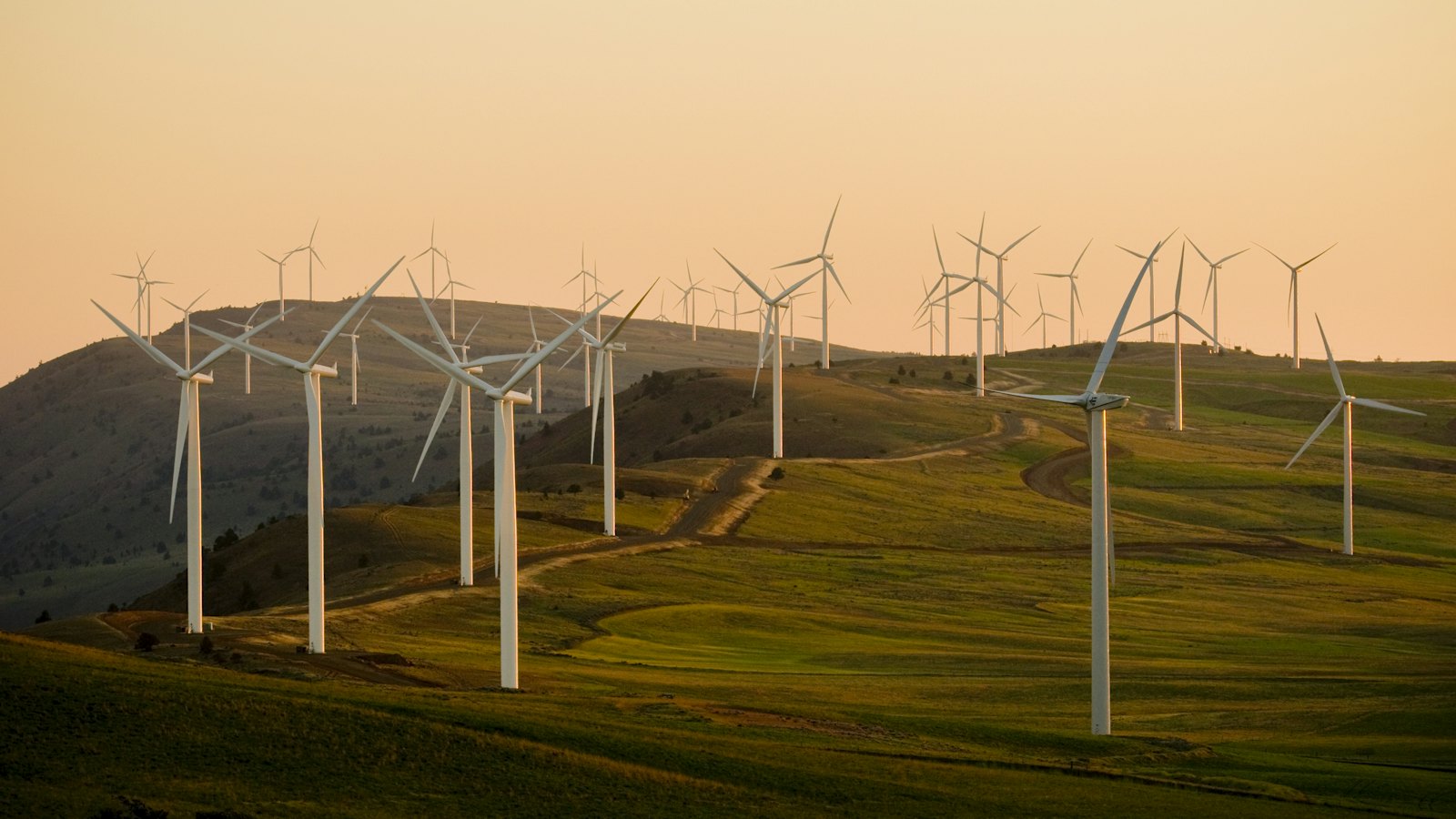
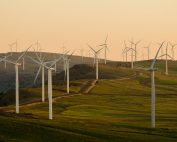
The guest list is the notable part. Estonia is preparing its own nuclear programme and has passed a Nuclear Energy Act; Latvia has been weighing options for firm low-carbon capacity as it phases out gas dependence. Both are looking at Finland’s model, where wind now supplies a growing share of electricity and nuclear provides the stable base. With the Onkalo repository, Finland also closes the waste question that has stalled nuclear debates elsewhere in the region. A licence decision in the autumn would make it the first country to move spent fuel into permanent deep geological disposal.