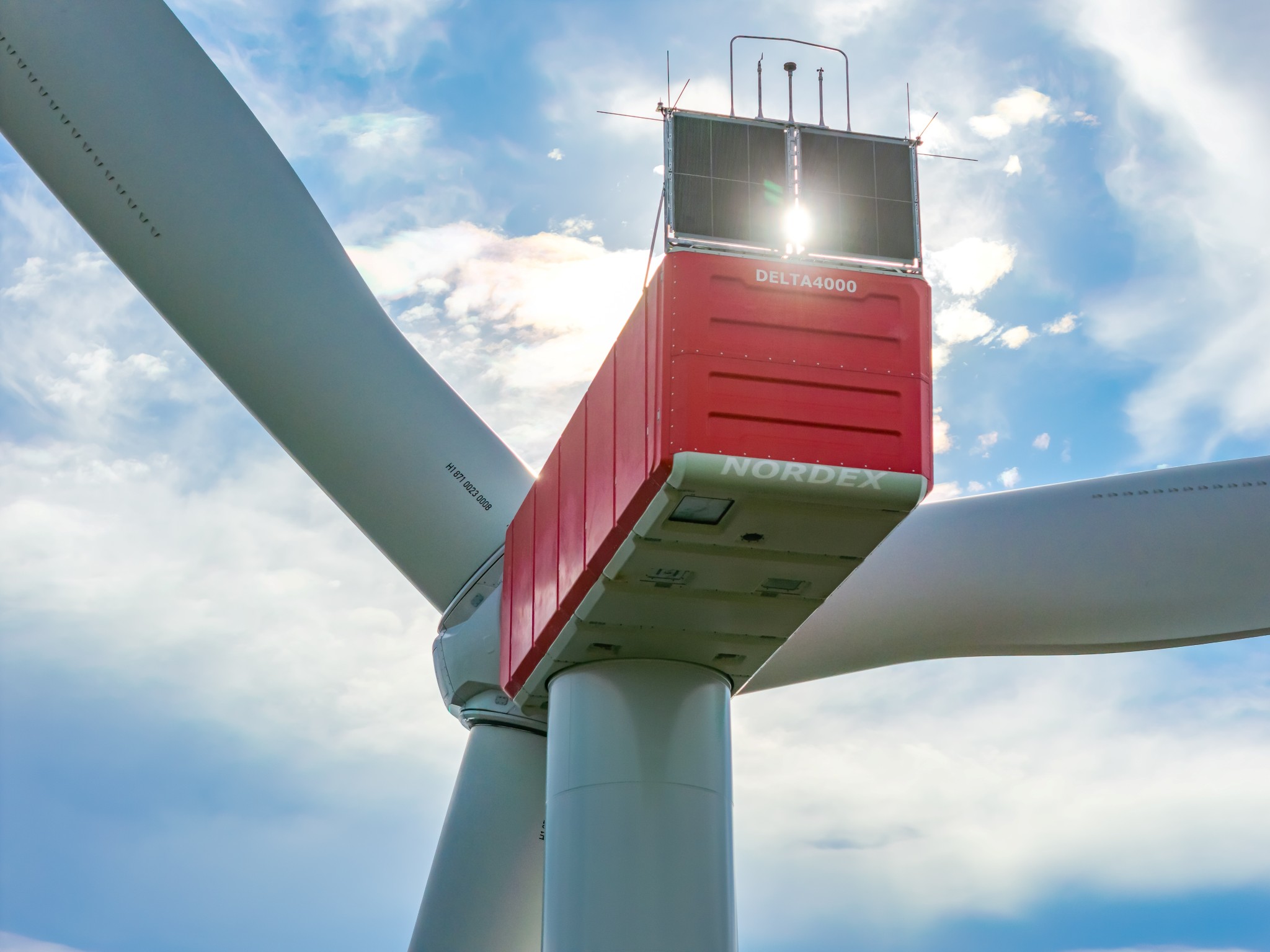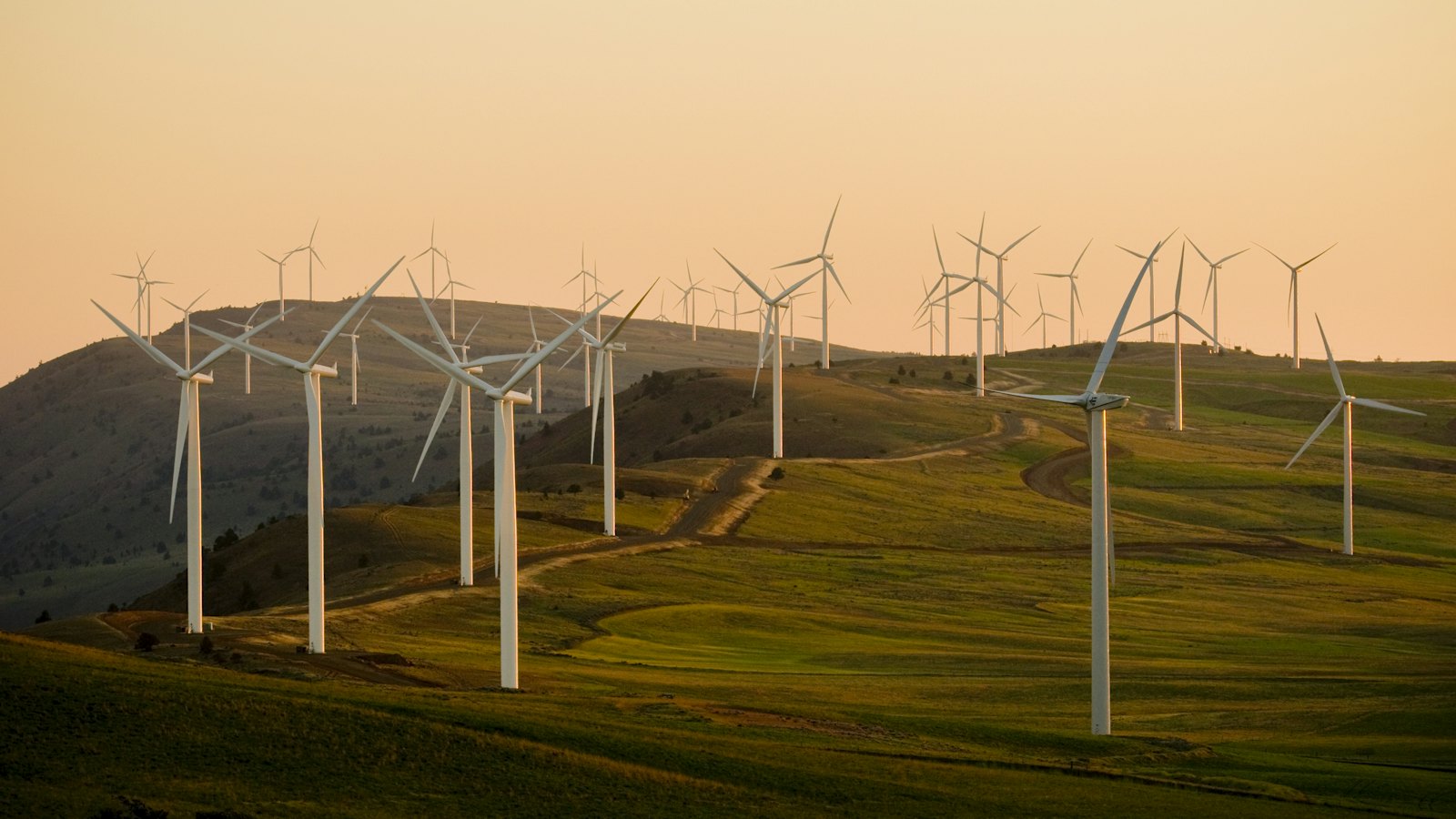
FGW e.V., the Berlin-based association that maintains Germany’s technical guidelines for wind and other decentralised generation, has published the final document of its working group on component-based unit certification (AK kEZ). Released on 3 September 2026, the paper sets out concepts and recommendations for a certification process that validates the grid behaviour of generating units and storage systems at component level, rather than only on the assembled unit.
Under Germany’s grid connection rules, every generating unit type must hold a unit certificate proving its electrical properties, such as fault ride-through and reactive power behaviour, before it can connect. The working group’s approach allows those properties to be validated early, at the level of converters and other key components, using extended model validation methods and an adapted verification process.
FGW says the method fits better into the development path of new turbine and inverter generations, makes recertification after component changes cheaper, and can be applied to all unit types. The document is available free of charge on the association’s guideline pages.
The practical bearing for the region is in turbine supply. Germany’s unit certificates, and the ZEREZ register that records them, are a reference point for manufacturers selling into Poland and the Baltic states, where grid operators increasingly ask for grid-forming capabilities and documented converter behaviour. A cheaper, component-level route to recertification would shorten the time between a new turbine platform and its approval for connection.