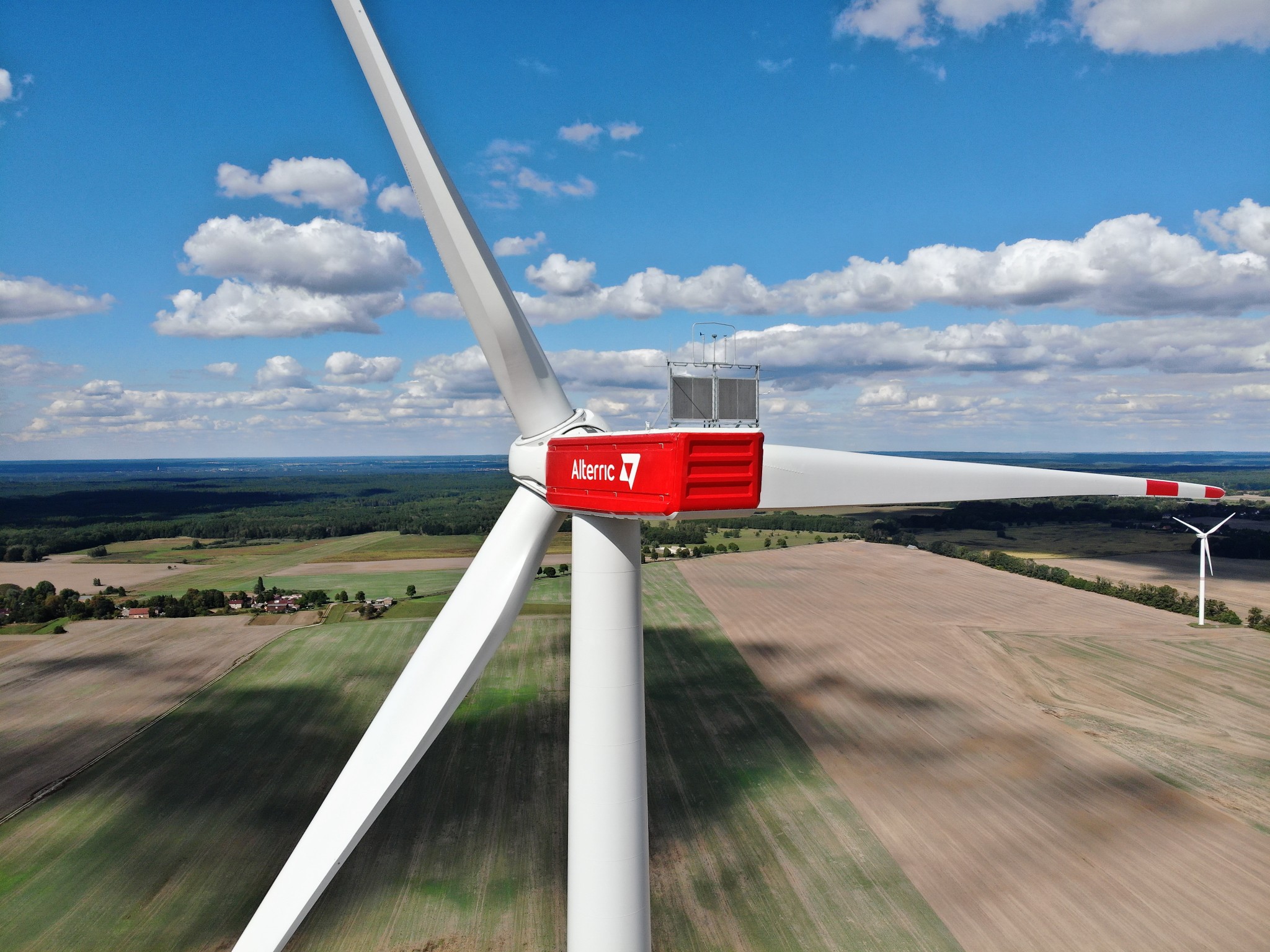
The onshore energy developer Alterric has warned that continued delays to Germany’s planned reform of the Renewable Energy Sources Act (EEG 2027) and a new grid-connection package could undermine the financing of new wind projects. In a position statement, the Aurich-based company argued that draft laws known so far only through leaks would shift the burden of the country’s grid problems onto power producers rather than fix the underlying system.
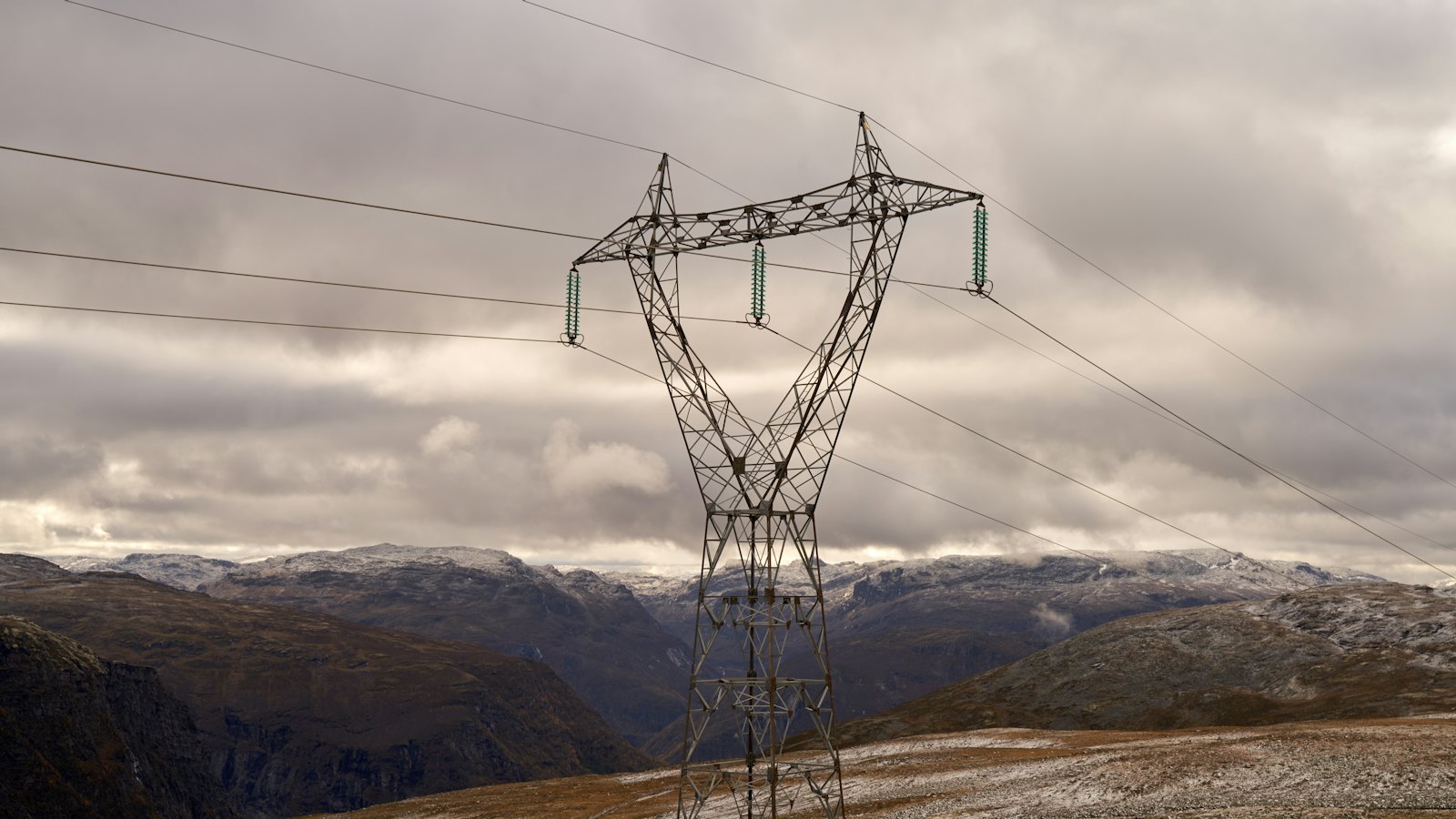
At the centre of Alterric’s criticism is a proposed “redispatch reservation” in the grid-connection package. Under it, operators of new installations could be curtailed for up to ten years without financial compensation when the grid is congested. Alterric calls this an existential risk to the planning and financing of new wind farms, arguing that slow grid expansion should not be paid for by generators. The company wants binding deadlines and effective penalties for grid operators — measures it says are entirely absent from the drafts.
“The current approaches do not solve the central problem: grid expansion lags far behind the expansion of renewables,” said Alterric CEO Dr Frank May. “Instead of correcting this imbalance, the costs are being loaded onto producers alone.” The company also flags that 12,000 megawatts of additional onshore wind auction volumes promised in Germany’s climate programme are missing from the leaked EEG draft, which it says would slow the build-out, particularly in the south.
Alterric welcomed some elements — easier grid connection for battery storage at existing sites, and Berlin’s move toward two-sided contracts for difference (CfDs) in line with EU rules. But it argued the CfD design falls short without a market-value corridor, warning it would push renewables further from the market and weaken incentives to build in a system-friendly way.
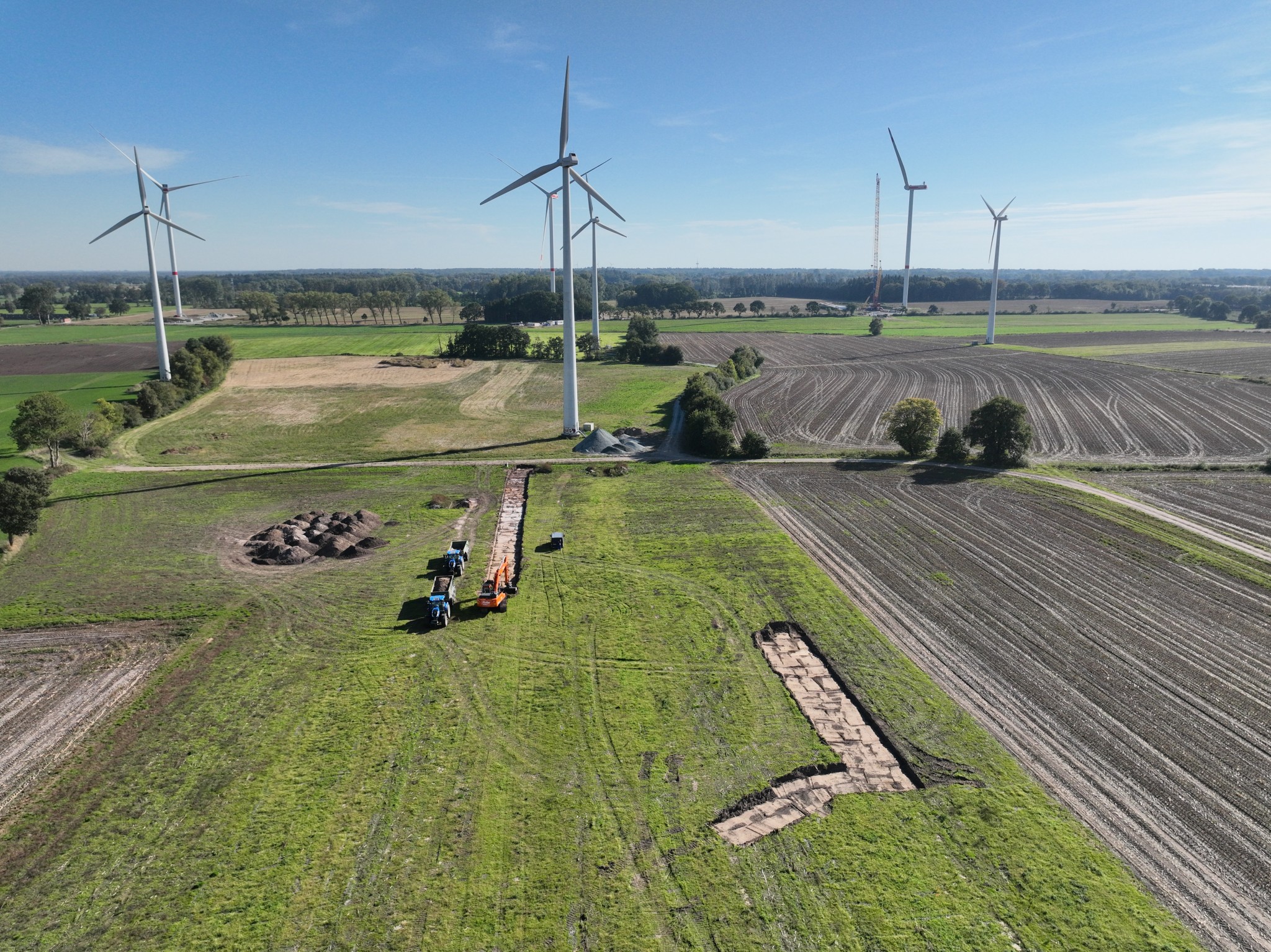
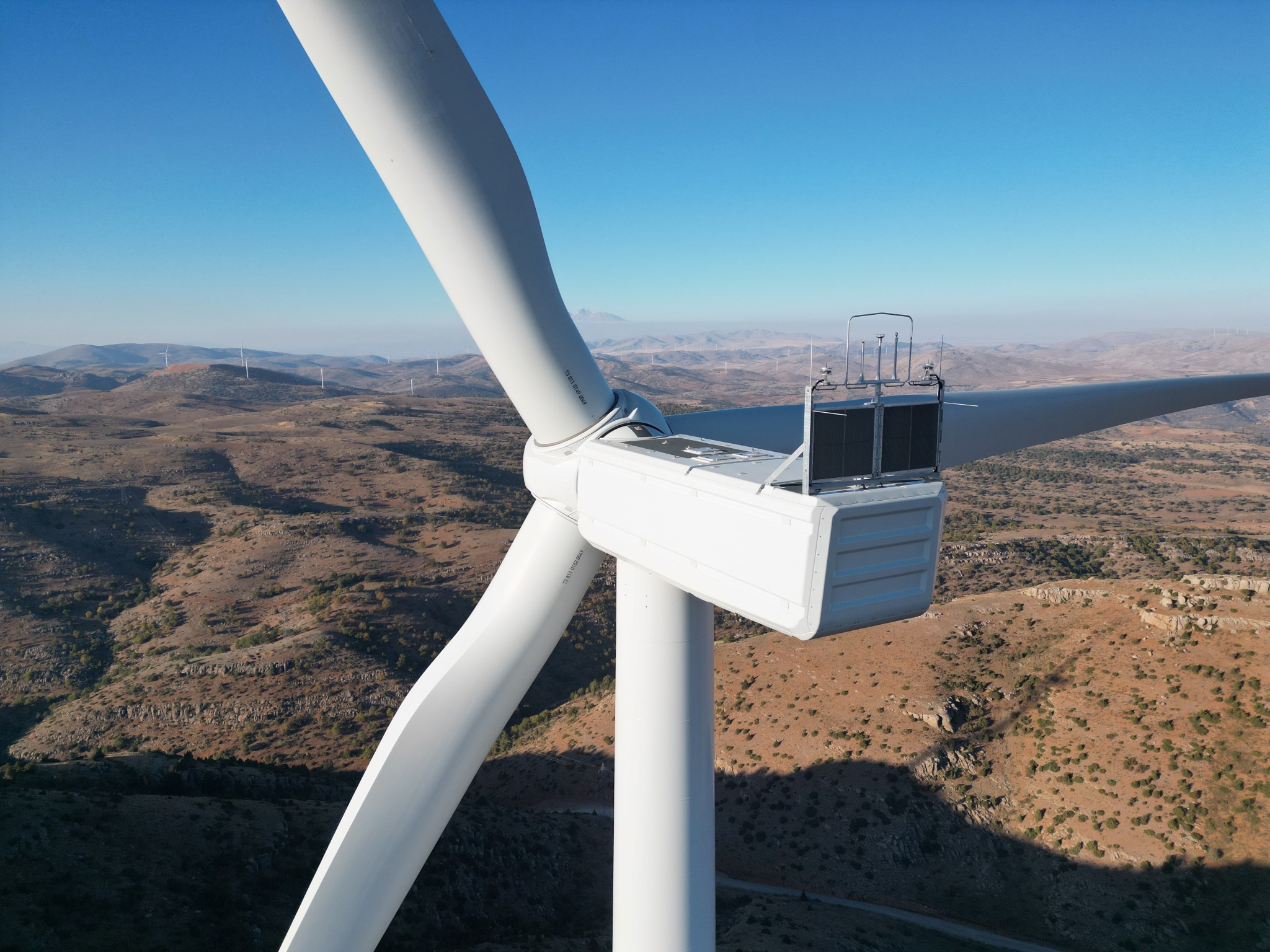
The company urged the federal government to publish official drafts quickly, noting that the European Commission must still grant state-aid approval before the rules take effect on 1 January 2027. For the Baltic Sea region, where Germany is a major wind market, the outcome of the reform will shape how quickly onshore capacity — and the industrial demand it serves — can grow. Alterric operates more than 2,500 MW and has a project pipeline exceeding 11,000 MW.