Across 2026, Denmark strung together a run of energy milestones that together sketch where its system is heading — a record-scale offshore wind farm moving from licence to steel in the water, a cross-border island project meant to anchor European energy security, and early signs of how the country plans to manage a grid that cannot keep pace with new renewables.
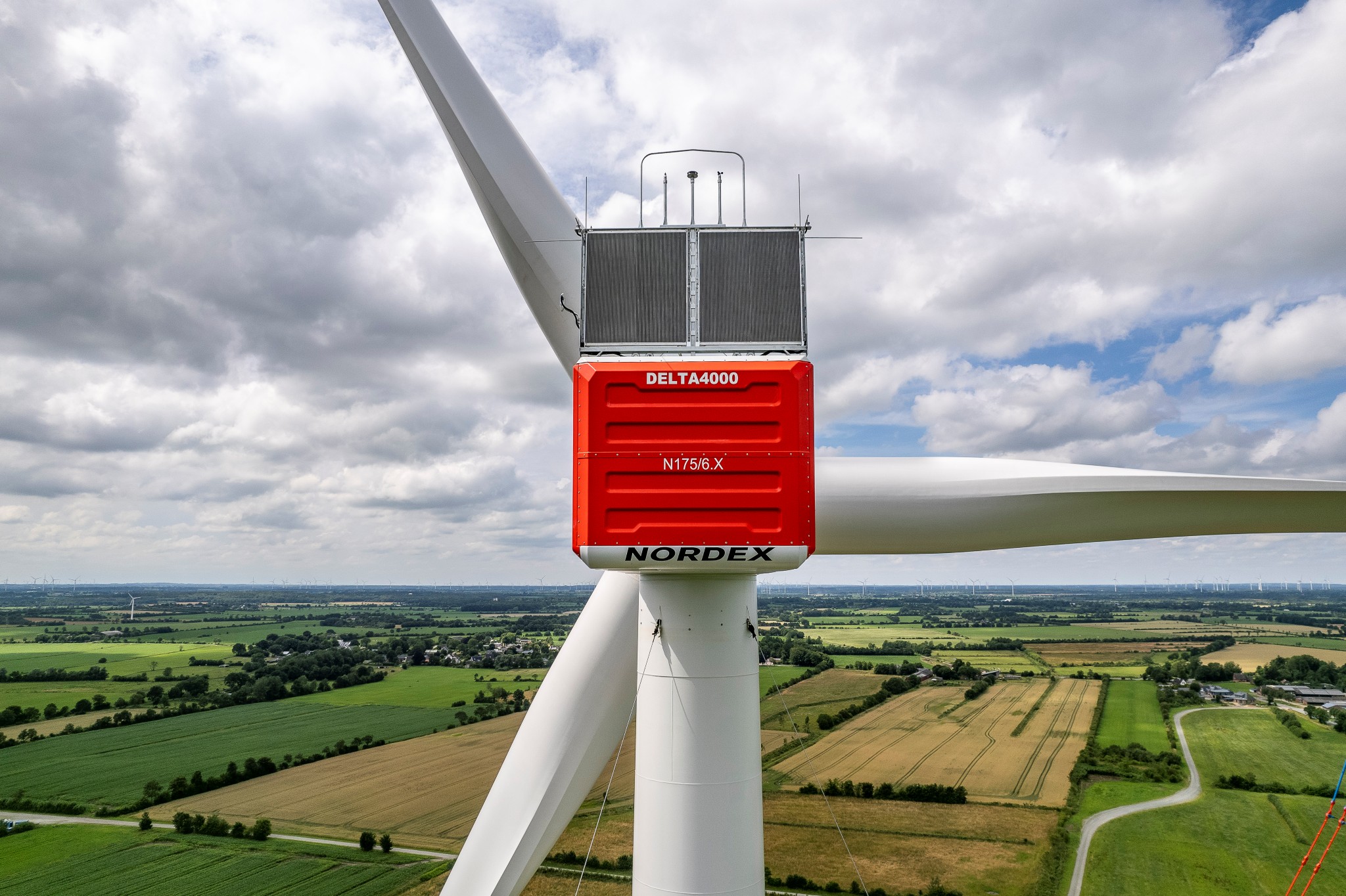
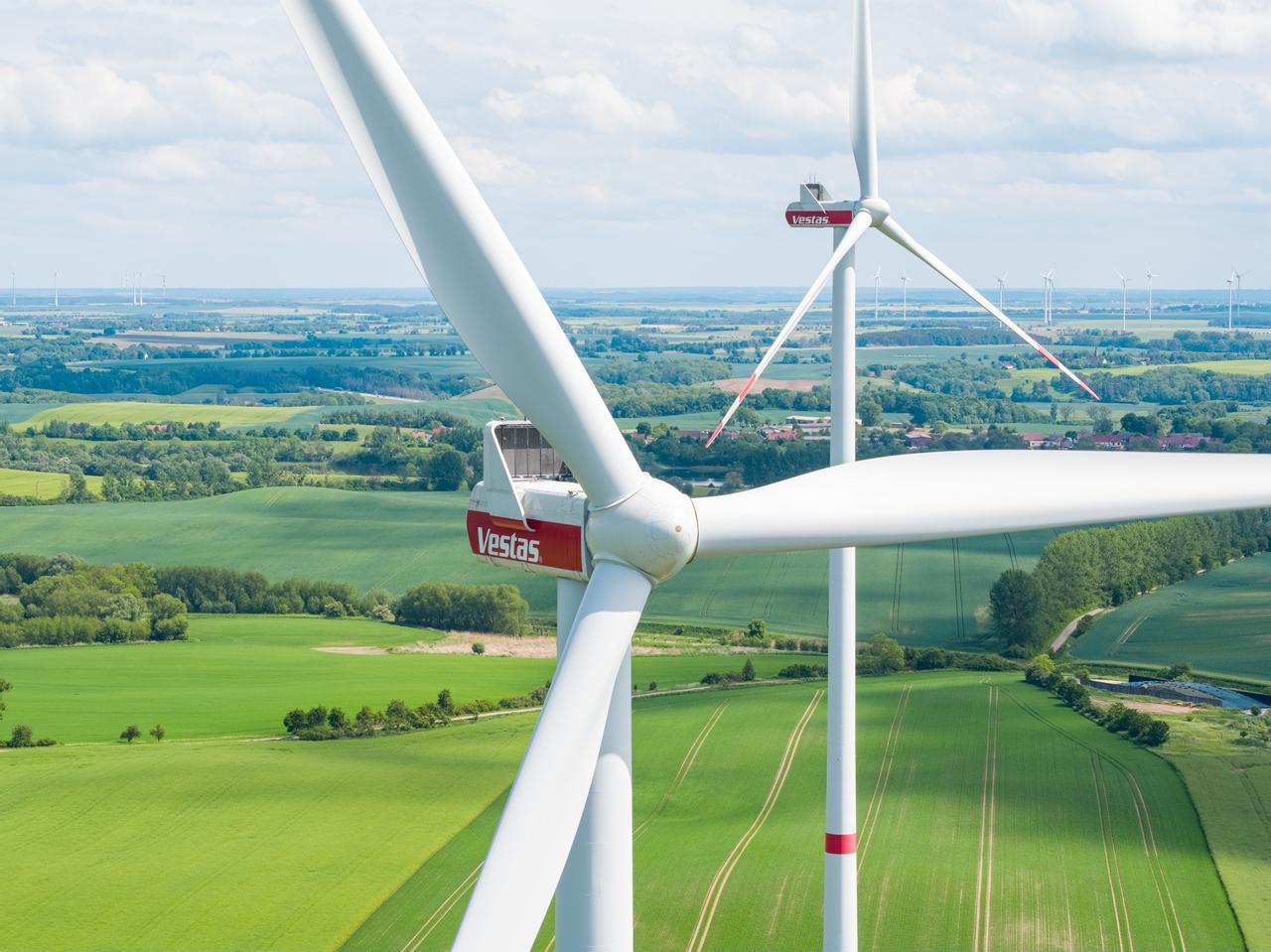
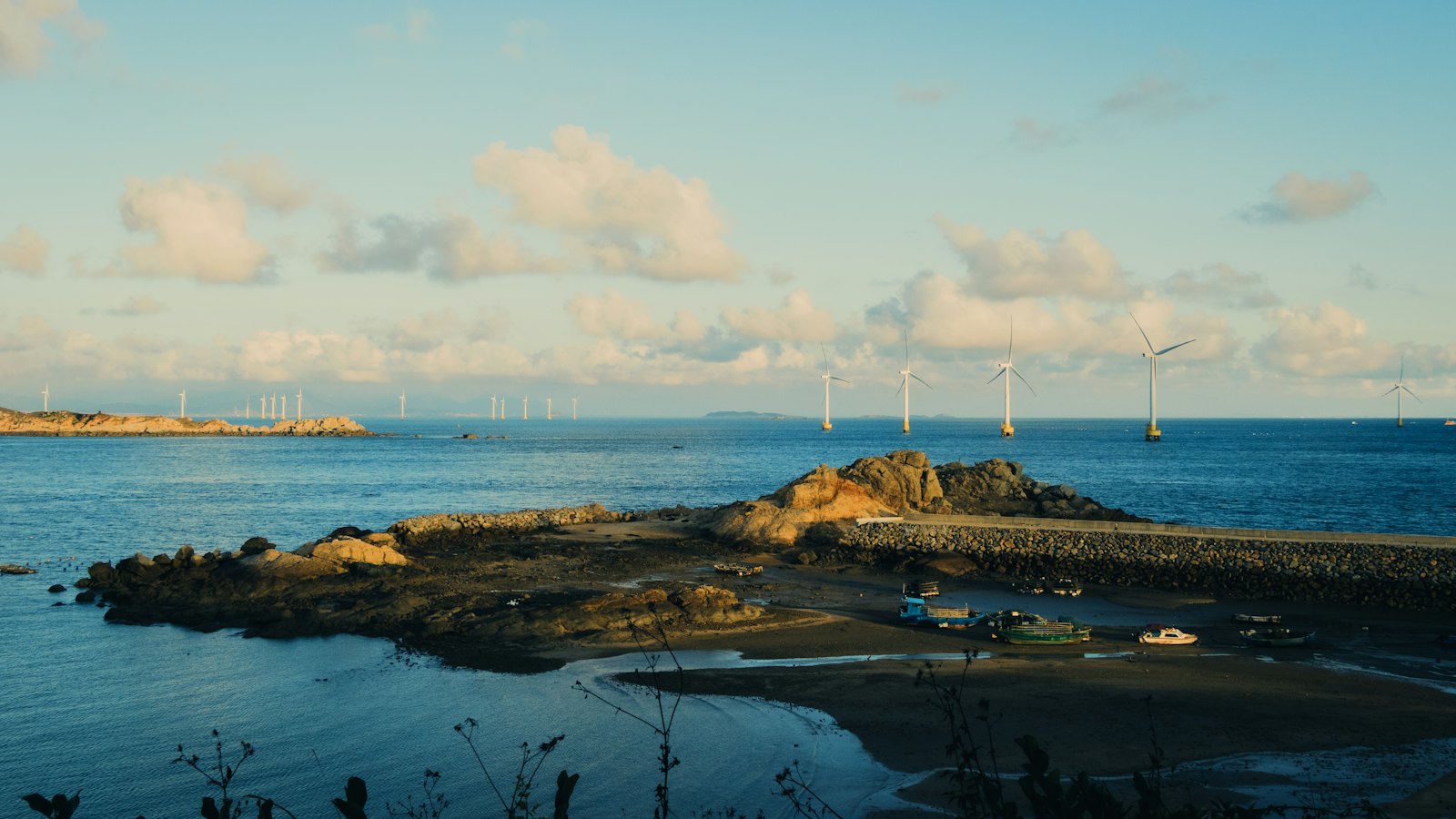
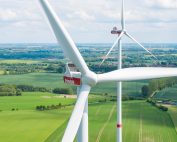
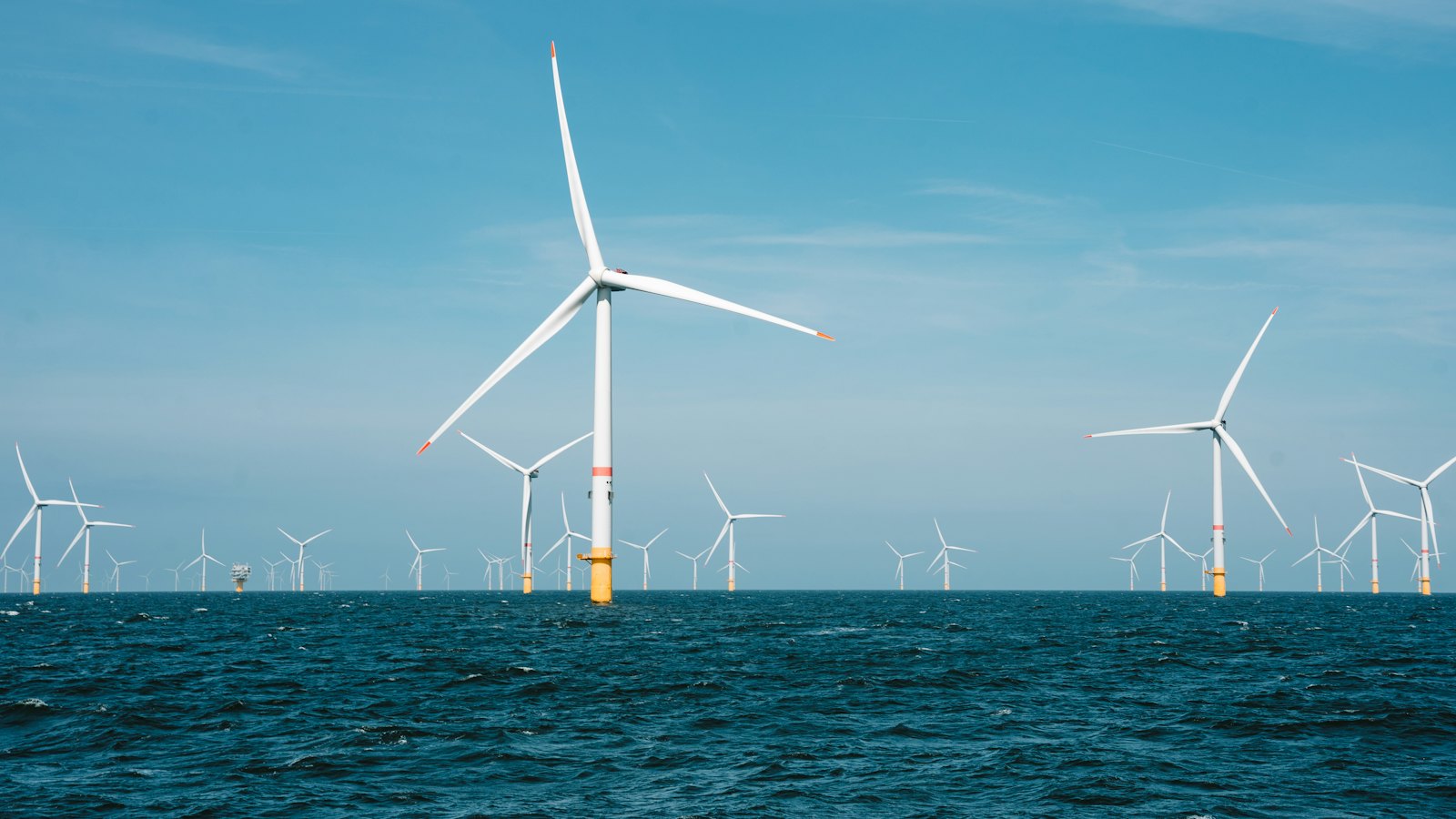
In January, the Danish Energy Agency granted a 30-year electricity production licence to RWE’s Thor offshore wind farm, a 1.1 GW project 22km off Jutland’s west coast set to become Denmark’s largest when fully commissioned in 2027, supplying the equivalent of more than a million Danish households. By April, RWE and Siemens Gamesa had installed the world’s first turbine built with a CO₂-reduced steel tower and recyclable rotor blades at the site — half of Thor’s 72 turbines will use the lower-carbon towers, and 40 will carry a combined 120 recyclable blades, RWE said, calling it a step toward “fully circular offshore wind.”
Also in January, Denmark and Germany concluded a bilateral agreement to jointly invest in the Bornholm Energy Island, in the presence of Chancellor Friedrich Merz and Prime Minister Mette Frederiksen. German Economy Minister Katherina Reiche called it “a flagship of European cooperation and a strategic project for our common security,” while her Danish counterpart Lars Aagaard said it marked “a new era of interconnection and shared energy security.” Built on Bornholm, Danish territory in the Baltic Sea, the island is meant to bundle offshore wind generation with cross-border interconnection to Germany, reducing both countries’ exposure to energy-supply shocks.
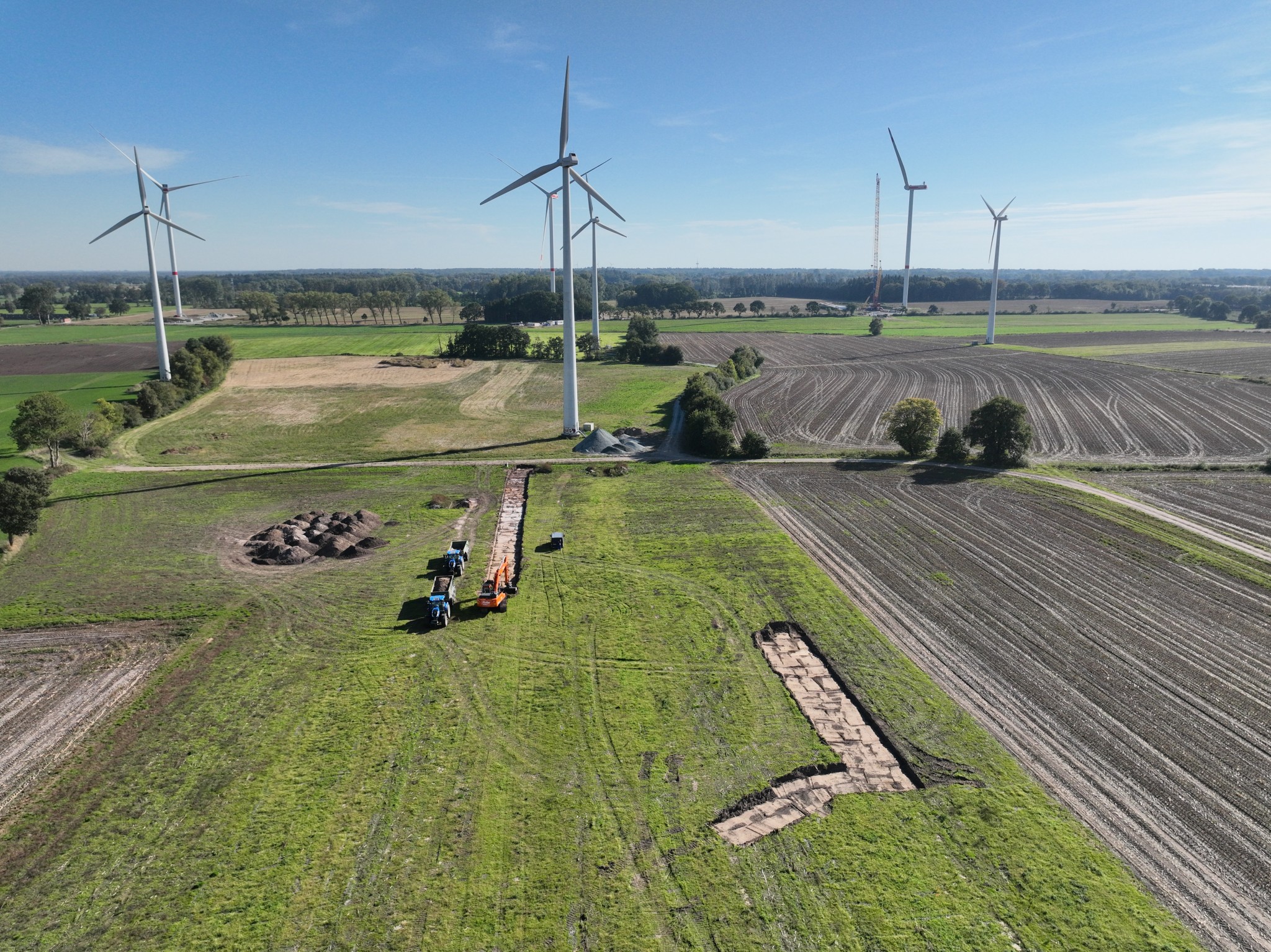
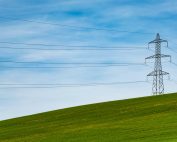
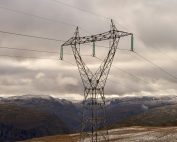
Grid capacity, not generation, is increasingly the binding constraint on Denmark’s build-out. Researchers at the Technical University of Denmark (DTU) reported in May that approved wind and solar projects can wait until well into the 2030s to connect, because available grid capacity is already reserved for existing plants — even though turbines typically run at full output only 20 to 50 percent of the time. Their proposed fix, hybrid power plants that combine wind, solar and battery storage and manage their combined output to stay within a single grid connection, would let more generation share the same wires; DTU’s modelling found that a combination of 100 MW of wind, 80 MW of solar and 50 MW of battery capacity could operate profitably on a single 100 MW connection.
The picture extends beyond electricity. In June, ENGIE and European Energy agreed to develop a 150 MW hydrogen electrolysis project near Kassø in Aabenraa Municipality, targeted to start operating around 2030 and feed the planned Danish-German Hydrogen Backbone. ENGIE has reserved marketing rights to more than 20,000 tonnes of renewable hydrogen a year from the plant, which was selected under Germany’s hydrogen auction linked to the European Hydrogen Bank.
Taken together, the year’s Danish milestones point in the same direction: more offshore capacity built to a lower carbon footprint, a Baltic Sea energy island designed to share that capacity across a border, and early moves on the grid and in hydrogen to keep infrastructure from lagging behind generation. With Thor’s remaining turbines due by the end of 2026 and full commissioning in 2027, and the Bornholm project moving from agreement toward construction, next year should show whether the ambitions translate into delivered capacity.