Weekly average electricity prices rose across major European markets during the first week of May, exceeding €100 per megawatt-hour in most cases, according to analysis by AleaSoft Energy Forecasting. Lower wind energy production in the main continental markets, higher electricity demand following the May Day holiday, and rising CO₂ allowance prices were the principal drivers.
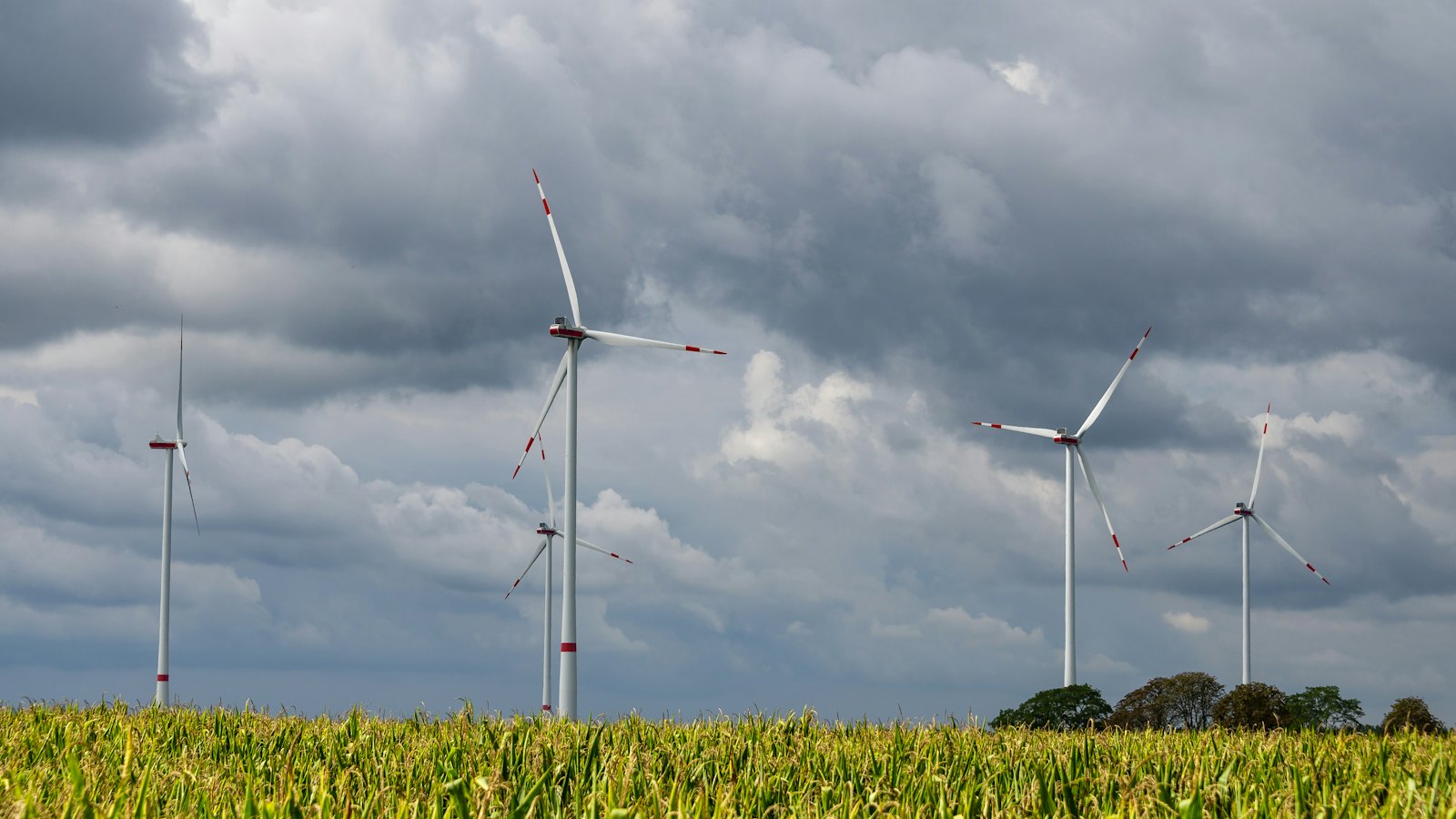
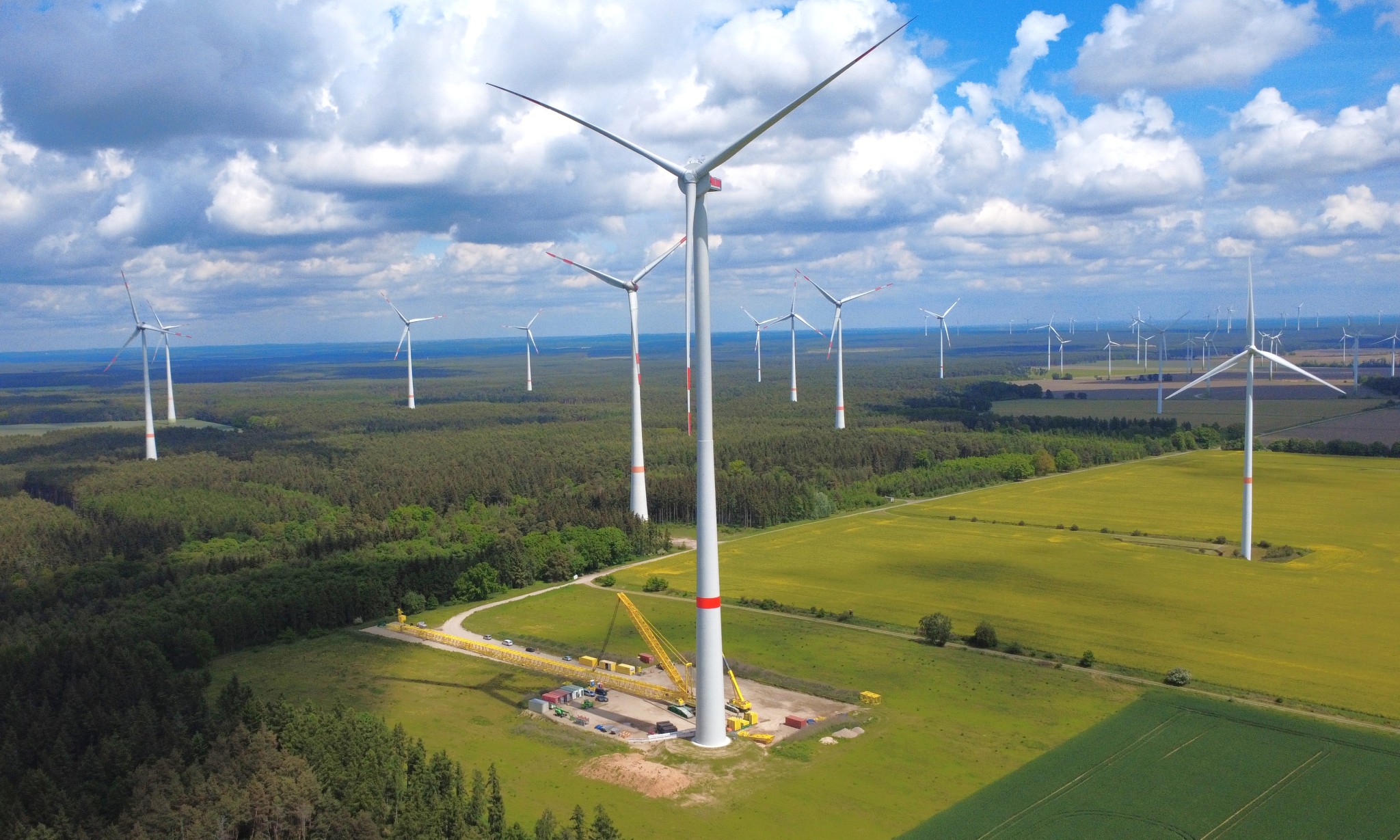
Wind output fell sharply in Germany and France, declining 41 per cent and 36 per cent respectively compared to the previous week — both markets extended their downward trends for a second consecutive week. Italian wind production also dropped for a third week running. In contrast, the Iberian Peninsula saw increases, with Portuguese wind up 171 per cent and Spanish wind up 3.1 per cent, helping the two markets record the smallest price rises of the week.
Weekly average prices in the Iberian markets remained below the €100/MWh threshold — Portugal at €58.88/MWh and Spain at €59.76/MWh — while France reached €73.95/MWh. The Italian market posted the highest weekly average among those analysed, at €131.47/MWh. The sharpest percentage increase was recorded in France, where prices rose 494 per cent against the prior week following very low levels on the May Day public holiday. German and Nordic markets each recorded 82 per cent increases, with weekly averages reaching approximately €119/MWh.
Commodity markets provided partial relief. Brent crude futures peaked at $114.44 per barrel on Monday 4 May before declining to $101.29 by Friday — 6.4 per cent lower than the previous Friday. TTF natural gas futures similarly fell from a weekly peak of €48.14/MWh to €44.14/MWh, down 3.5 per cent week-on-week. CO₂ emission allowances in the EEX market for the December 2026 contract ended the week at €75.20 per tonne, roughly 1.9 per cent above the prior week’s close.
AleaSoft forecasts suggest prices could ease during the second week of May, supported by a recovery in wind energy production across most markets, particularly Germany, France, Italy and Spain. Demand is expected to decline in some countries, though gas price movements will continue to influence the overall price environment across the continent.