Senior energy officials from Lithuania, Latvia and Estonia, joined by Poland, have agreed to accelerate joint measures to protect critical energy infrastructure against hybrid threats, following a meeting of the Baltic Council of Ministers and the Baltic Energy Security Group in Vilnius on 21 May. The talks focused on the resilience of the region’s energy networks and on counter-drone protection in particular.
Lithuania’s Vice-Minister of Energy Gabriel Gorbačevski said the region now faces the reality of hybrid threats, noting that the 2023–2025 incidents damaging subsea energy infrastructure in the Baltic Sea are now being followed by risks from unmanned aerial vehicles. Officials agreed to treat counter-drone protection as a standard security measure for critical infrastructure across the region. Lithuania has drone detection and neutralisation systems at four key energy sites, with five more due by mid-year.
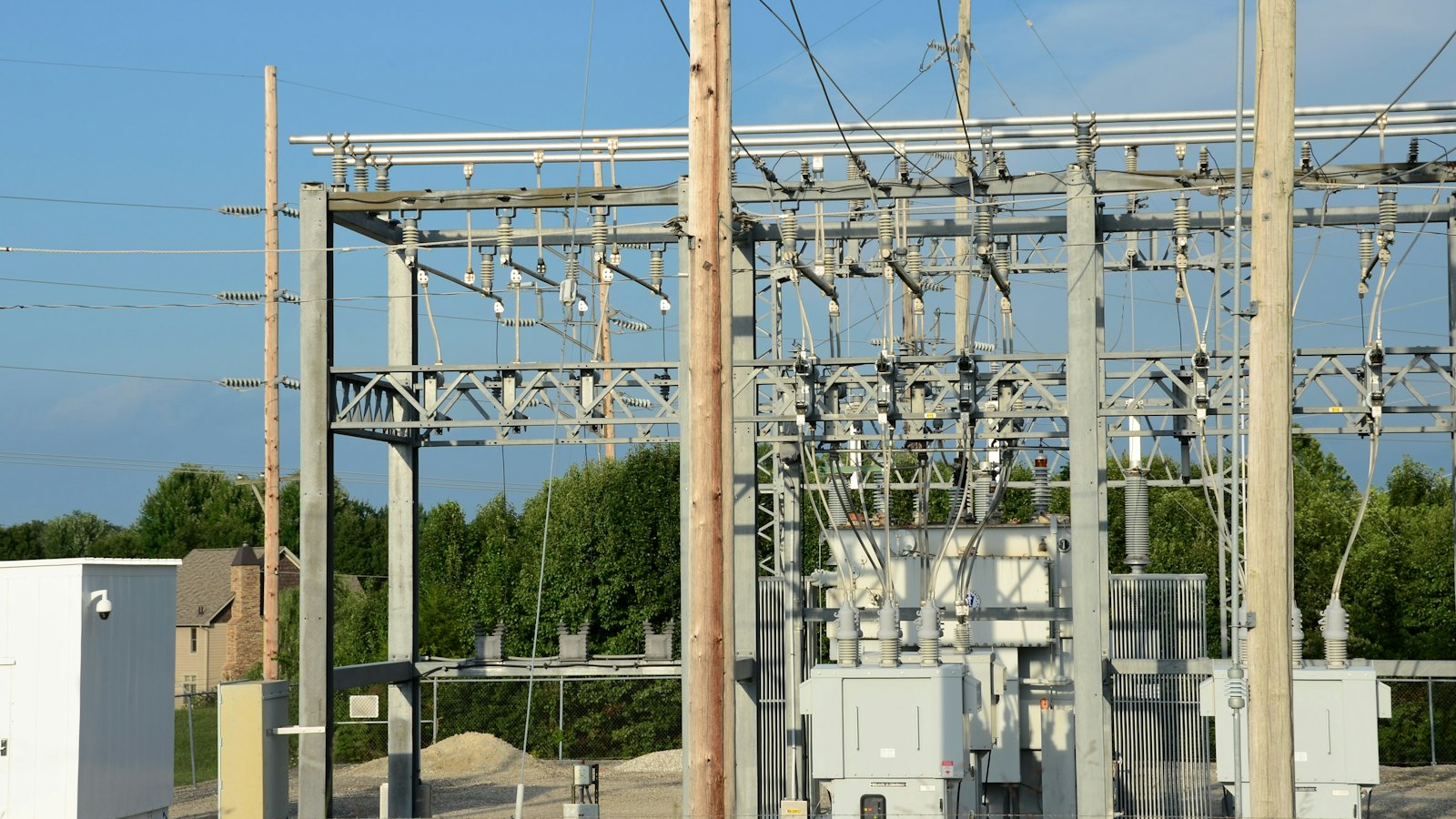
Much of the approach draws on Ukraine’s wartime experience. The partners are strengthening physical protection of facilities, building emergency equipment reserves, deploying electronic security and perimeter measures, and preparing to operate under critical conditions; Latvia is investing in mobile transmission towers and substations to restore supply quickly after damage. Estonia is advancing similar work to reinforce energy independence and mobilise investment.
Financing is a central question. Under the Connecting Europe Facility, the European Commission has allocated EUR 113 million to the Baltic states and Poland to strengthen electricity-infrastructure protection and resilience. Officials called for this to be reinforced by a permanent co-financing mechanism, praising the CEF’s flexibility for rapid deployment, and discussed shared regional reserves of critical energy equipment to speed response to disruptions.