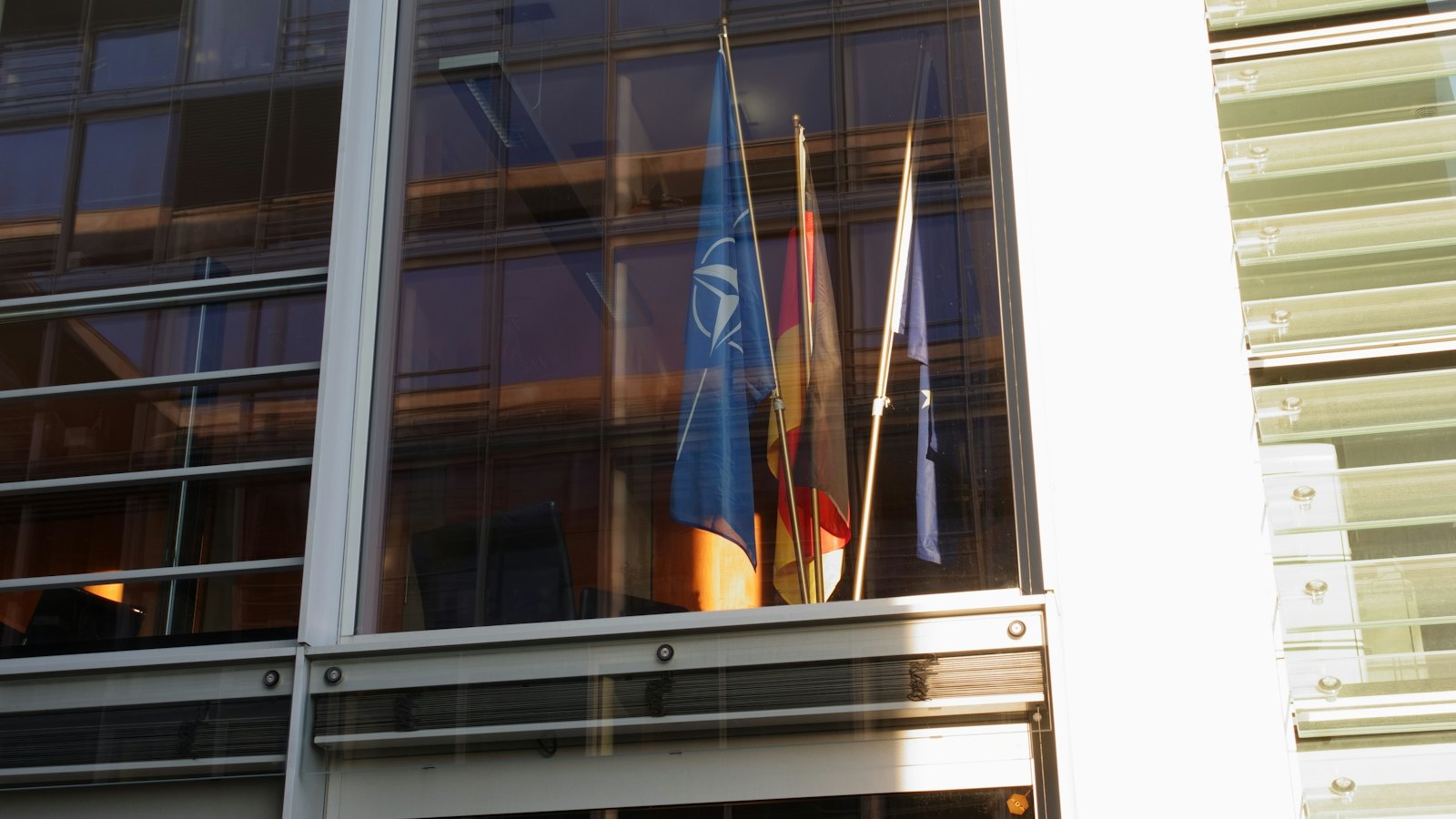
Foreign ministers of the Council of the Baltic Sea States (CBSS) and the EU’s High Representative, meeting in Sopot on 29 May for the Council’s 23rd session, adopted a declaration committing the region to tougher coordinated action against threats to Baltic security, including its critical undersea infrastructure. The signatories were Denmark, Estonia, Finland, Germany, Iceland, Latvia, Lithuania, Norway, Poland and Sweden.
The Council renewed its condemnation of Russia’s war against Ukraine and called for stronger pressure on Moscow, including stricter sanctions enforcement and potential new instruments such as a full maritime services ban on Russian energy exports, coordinated with the G7 and the Price Cap Coalition. It stressed the importance of ending dependency on Russian energy imports in line with REPowerEU.
For the energy sector, the declaration’s focus on the Baltic’s critical undersea infrastructure is the salient point. Citing cyber operations, sabotage across European supply chains, and risks from Russia’s shadow fleet, the Council called for decisive steps to protect subsea cables and pipelines, pointed to the Memorandum of Understanding on the Protection of Critical Undersea Infrastructure as central, and commended NATO’s “Baltic Sentry” activity for improving awareness and deterrence.
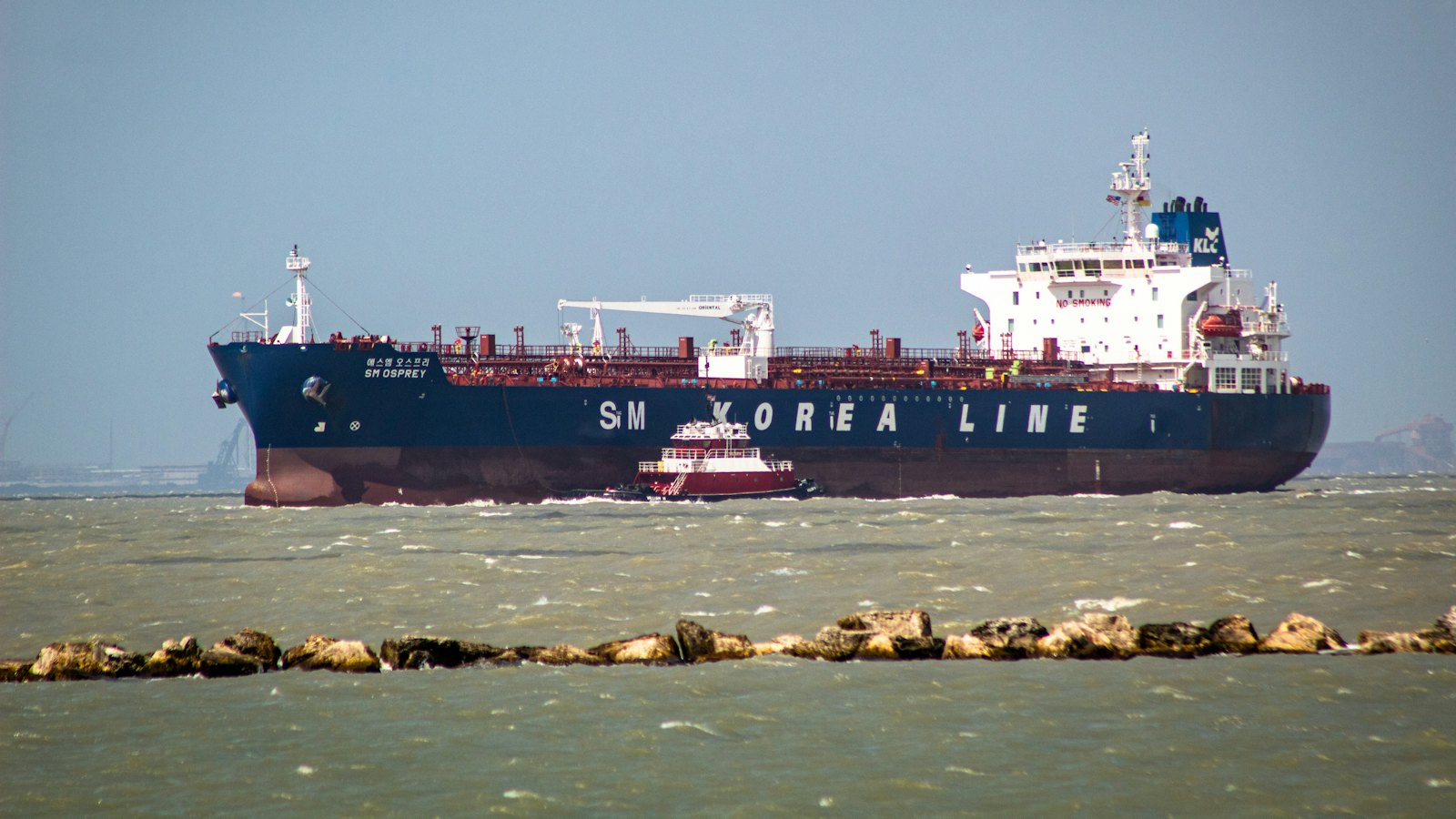
The Council voiced deep concern over the high number of shadow-fleet vessels, many suspected to be without nationality or using fraudulent registries, warning of safety, environmental and economic risks and urging robust action to limit Russia’s energy revenues. Poland’s 2025–2026 CBSS presidency was praised as Iceland prepares to take over from July, with future work set to focus on security, resilience and countering foreign information manipulation.