Battery storage has moved from a niche add-on to a core pillar of the wind build-out around the Baltic and in Germany. Read together, a run of recent projects and permitting figures shows how quickly grid-scale storage is scaling — and why it is becoming inseparable from the wind story.
The clearest signal of scale comes from Sweden. According to Green Power Sweden, county administrations approved 130 large-scale battery parks with a combined capacity of over 5 GW between 2021 and 2025 — more than three times the electricity demand of Stockholm. Their roughly 10 GWh of storage could, at 1.5 cycles a day, deliver around 5 TWh of electricity a year, equivalent to the household consumption of a million Swedish homes. “Battery storage is the energy system’s Swiss Army knife — contributing to stability, predictability and lower costs,” said Green Power Sweden CEO Nils Grunditz, whose association is pressing for a national storage strategy and easier grid connection.
Germany shows the same trend at project level. Developer Kyon Energy broke ground simultaneously on large-scale battery projects in three federal states — North Rhine-Westphalia, Saxony-Anhalt and Schleswig-Holstein — a shift from single-site development to portfolio-scale deployment. That Schleswig-Holstein, a leading onshore wind state, features prominently is no accident: storage there directly helps manage generation peaks as Germany pushes towards 80% renewable electricity by 2030.
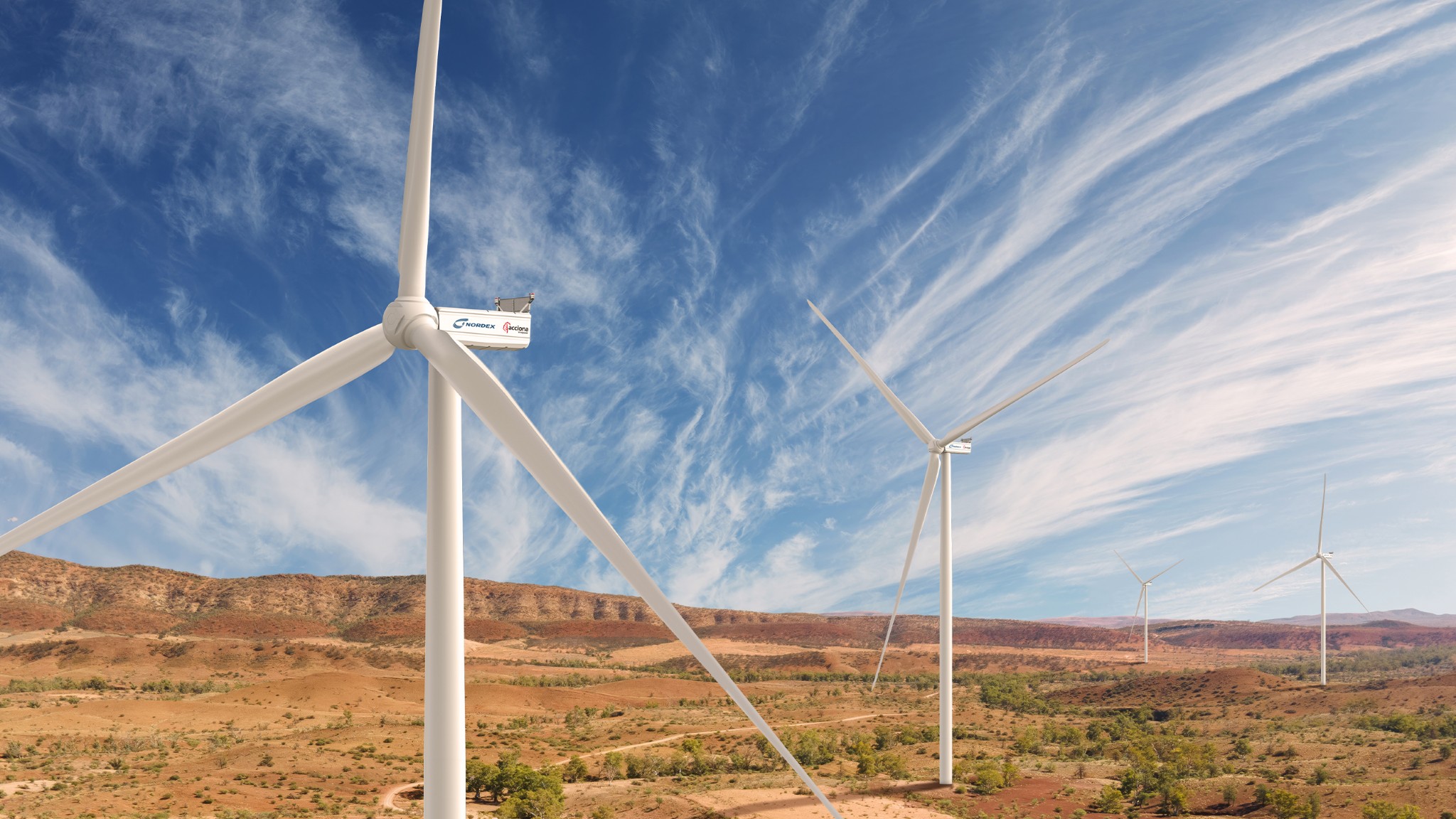
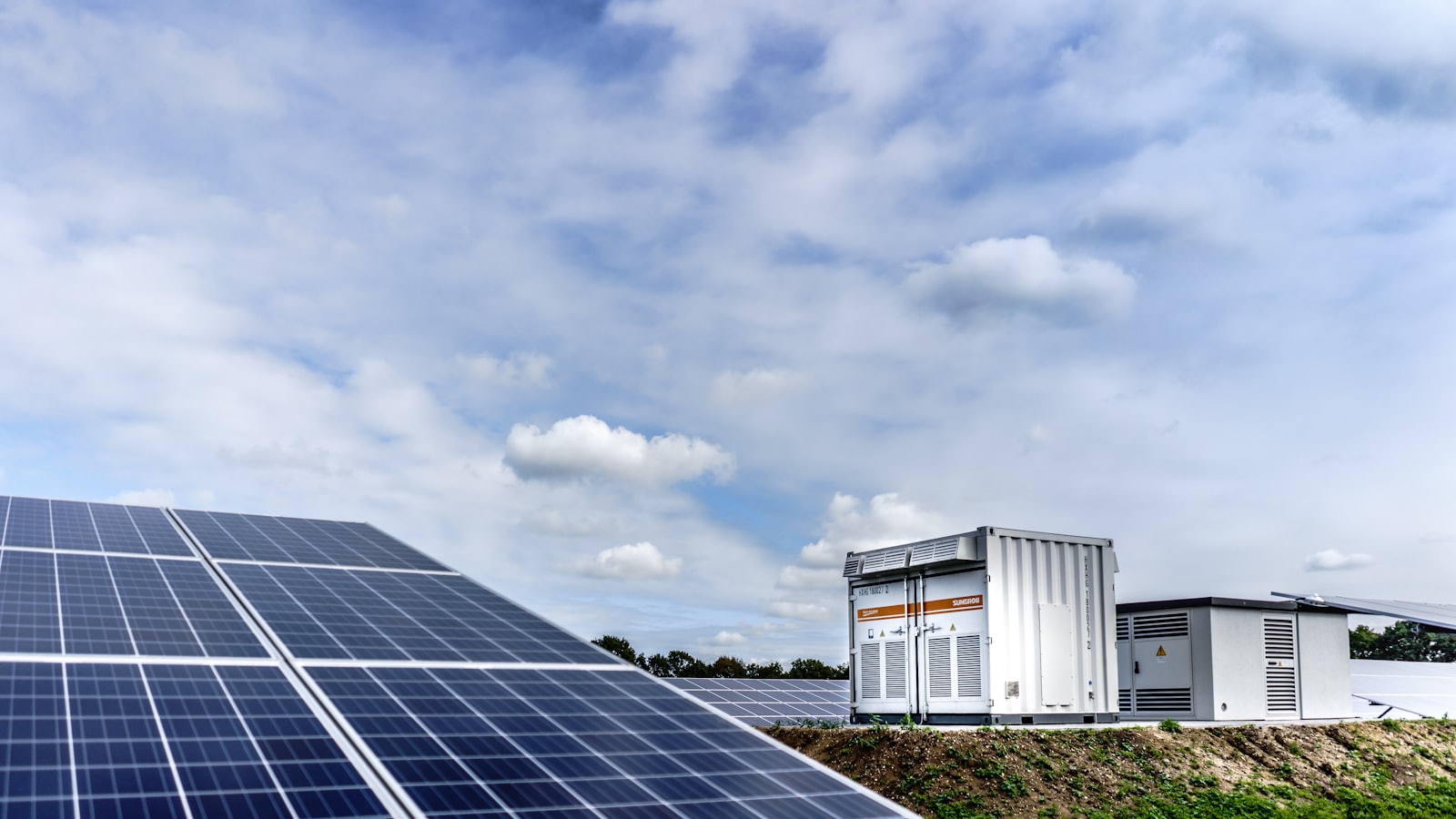
The tightest link between wind and storage is visible where the two sit on the same site. Onshore operator Alterric connected its first battery, a 2 MW unit, at the Oslebshausen wind farm near Bremen, the start of what it calls energy parks — existing wind farms combined with storage and, in time, further technologies. Six more batteries totalling over 100 MWh are in development, two already under construction.
For the Baltic region, where wind’s share of generation is climbing fast, the pattern is consistent: co-locating storage with wind, buffering peaks and providing balancing services is becoming standard practice rather than an experiment. The open question is regulatory. Sweden’s storage association is calling for a national strategy, an end to double taxation and double charging, and standardised safety rules — while Alterric CEO Frank May cautions that batteries cannot substitute for investment in smarter grids. The hardware is scaling; the next phase depends on the rules catching up.