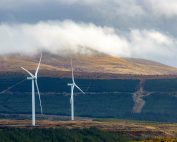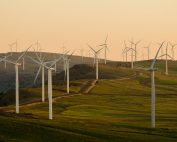
West Pomerania has moved from being Poland’s windiest province to being the place where the country’s offshore wind supply chain is physically assembled. The region holds 2.6 GW of installed wind capacity, ahead of Greater Poland at 1.7 GW, Pomerania at 1.5 GW and Kuyavia-Pomerania at 1.0 GW, and its renewables self-sufficiency was estimated at around 130 per cent in 2025 — it generates more renewable power than it consumes over a year.
The terminal that anchors the region
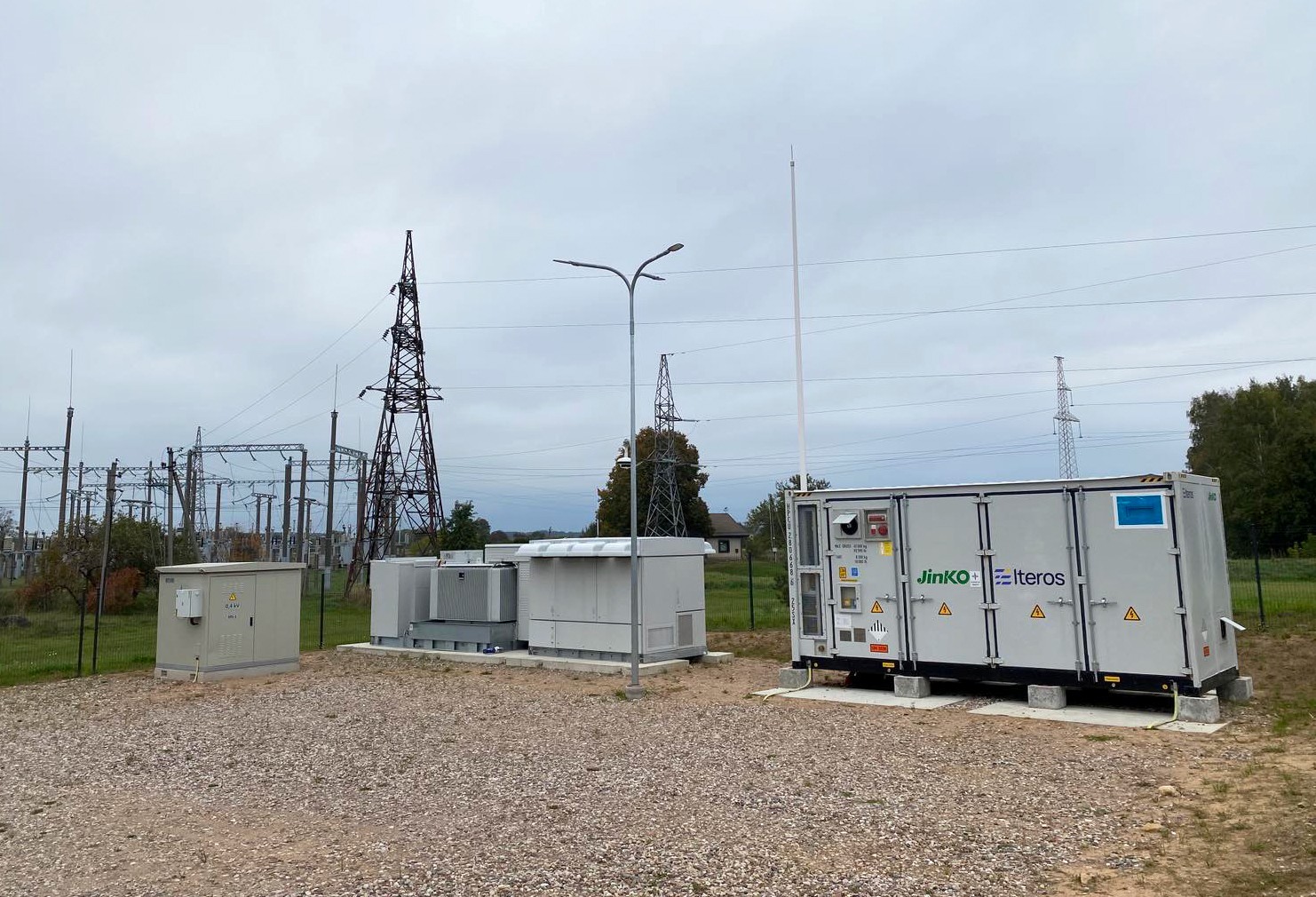
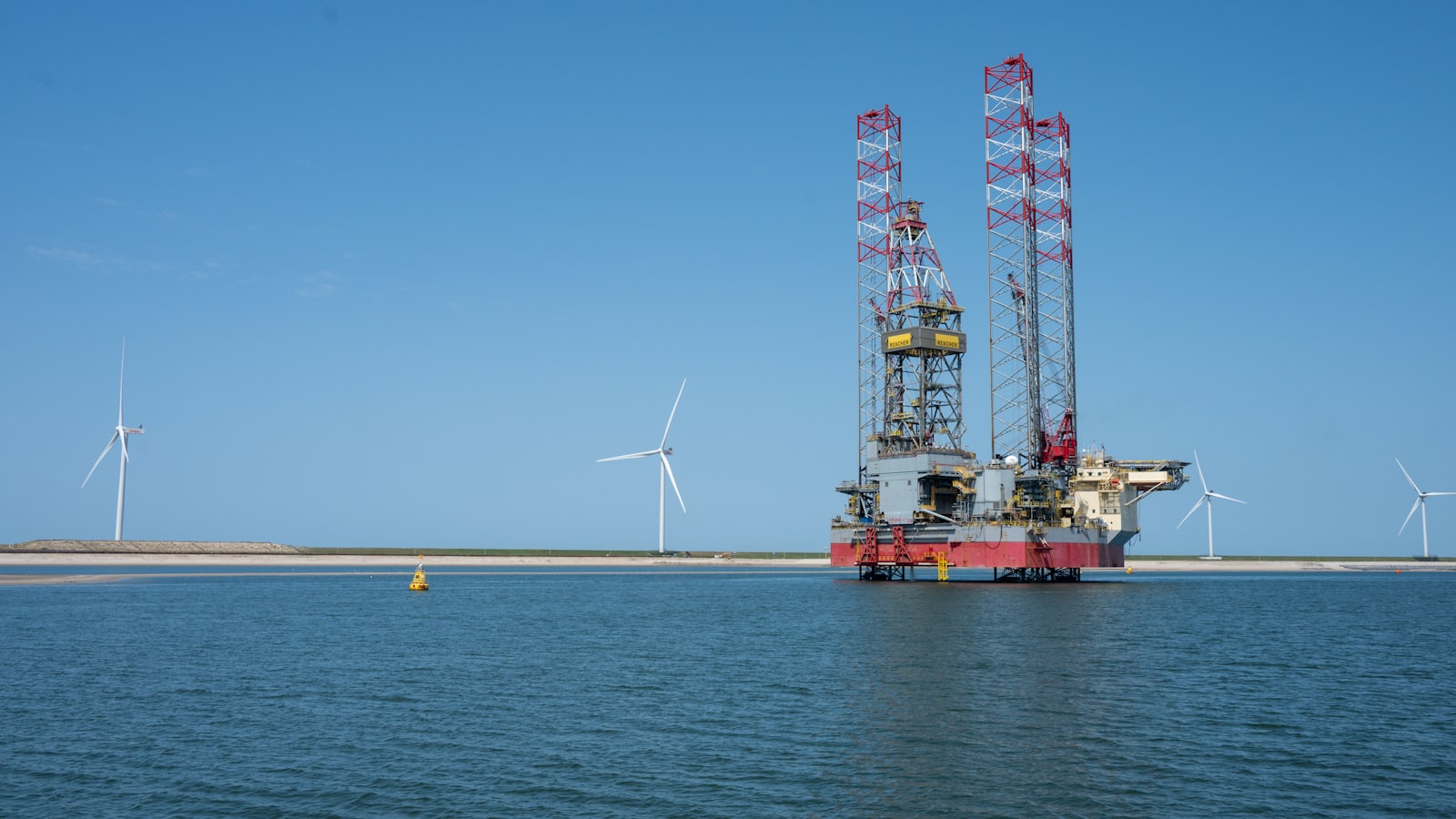
The centrepiece is the Świnoujście Offshore Terminal, Poland’s first dedicated offshore wind installation port. Launched in 2025 by ORLEN Neptun, it combines installation and marshalling functions, allowing storage, pre-assembly and load-out on the same site. It is built for 15 MW turbines and the largest installation vessels, and can handle monopiles, jackets, towers, blades, nacelles and offshore substation topsides weighing up to 24,000 tonnes. Roughly 70 per cent of its capacity is already booked.
“The Świnoujście Offshore Terminal is designed to be a platform for building the offshore wind supply chain in the Baltic Sea. We see strong and growing interest from both Polish and international partners,” said Paweł Nowak, business development manager for the terminal at ORLEN Neptun.
Its order book is not only Polish. Ocean Winds’ BC-Wind and the PGE–Ørsted Baltica 2 project are being serviced from Świnoujście, and the port sits at the centre of ORLEN’s own pipeline, including Baltic East and Baltic West. An analysis by the Norwegian Offshore Wind cluster positions the terminal to serve projects in Denmark, Germany, Sweden and the Baltic states as well — and the cluster brought a Norwegian supplier delegation to the region in August 2026 to look at exactly that.
A pipeline large enough to justify the investment
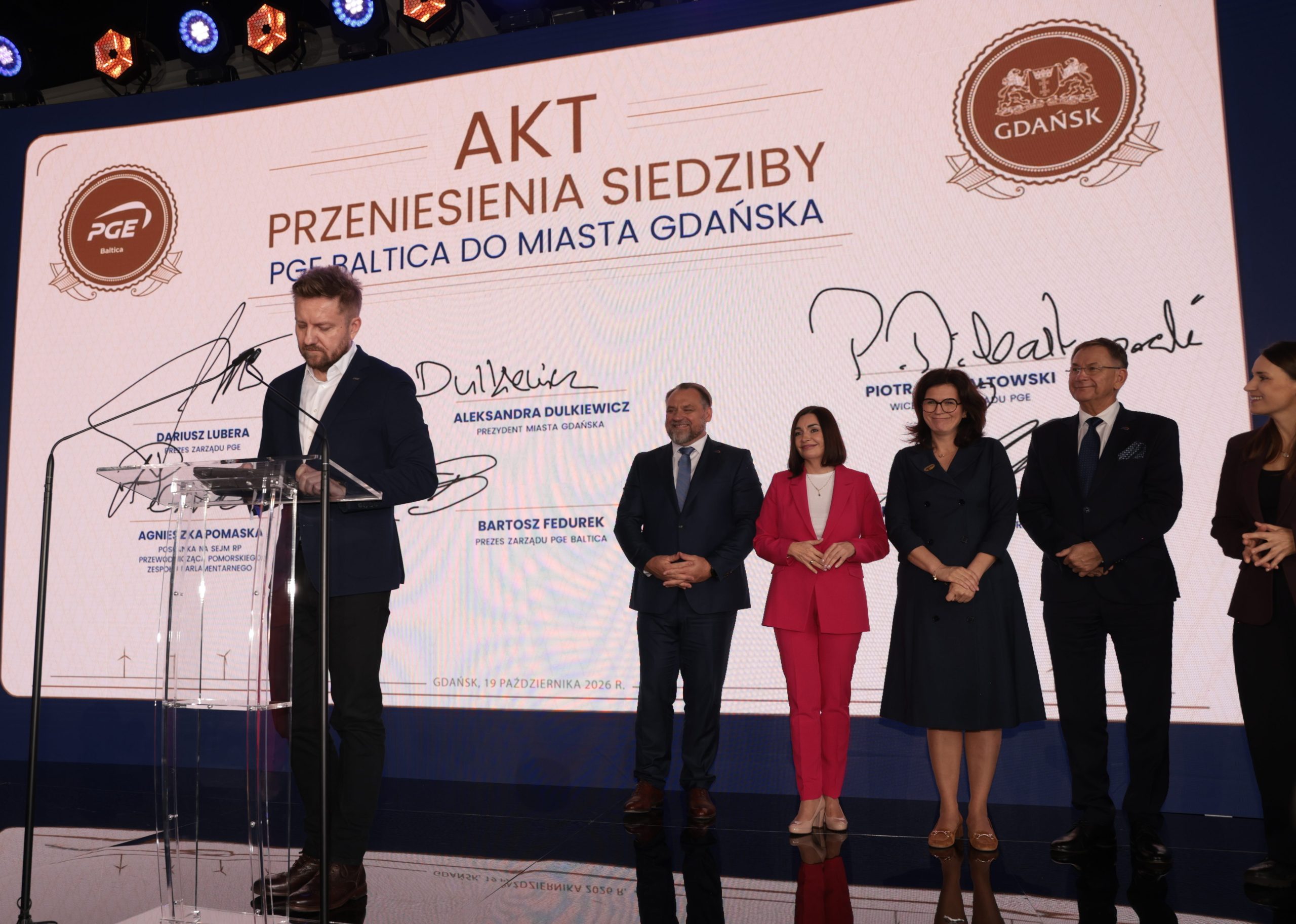
The demand case rests on PGE Baltica, which develops offshore projects for the PGE Group. Its portfolio runs to eight Baltic Sea projects at various stages of development with a combined capacity above 6 GW, against a group target of 4 GW of offshore capacity by 2035. The most advanced, the 1.5 GW Baltica 2 developed with Ørsted, is scheduled for commissioning in 2027. That single date is the region’s first real test: it is when the industrial roadmap has to translate into delivered components.
From roadmap to real orders
Regional marshal Olgierd Geblewicz has framed the ambition as a “European Wind Energy Factory” programme — a 15-year industrial plan for the offshore sector, backed by nacelle and hub production, tower and cable factories, and the construction of cable-lay and service vessels. On the onshore side, he puts the province’s technical potential at 16–27 GW at a 700-metre setback, rising to 20–34 GW at 500 metres.
The harder question is who supplies it. At the second Polish Wind Energy Suppliers Forum, held in Szczecin under the slogan “Wind Factory of Europe”, the Industrial Development Agency (ARP) and government ministers set out local content as state policy rather than aspiration. Climate and Environment Minister Paulina Hennig-Kloska argued that the transition “must strengthen our technological and industrial independence” and that Poland “cannot replace one dependency with another”. Infrastructure Secretary of State Arkadiusz Marchewka tied the sector’s prospects to ports directly, saying that without modern port infrastructure “it is not possible to build a strong offshore sector”.
ARP is running a Local Content Team, led by vice-president Ilona Deręgowska, with three working groups covering methodology, legislation and good practice. Its first job is unglamorous but decisive: producing a quantifiable definition of local content that state-owned and private investors can actually apply in a tender.
The forum was equally candid about what stands in the way. Participants pointed to the small number of global suppliers of key technologies, the financing advantage large contractors hold over smaller bidders, and negative cash flow in infrastructure contracts, which pushes many SMEs out of the running before they bid.
What to watch
West Pomerania now has the port, the pipeline and the political backing. What it does not yet have is a settled definition of local content, a financing model that works for mid-sized Polish suppliers, or proof that components ordered for Baltica 2 will be made in the region rather than shipped through it. The distinction between a logistics hub and an industrial base is decided by that second point, and the answer should be visible well before 2027.