Renewables came close to supplying half of the European Union’s electricity in July 2026, with solar generation running almost level with output from nuclear power stations.
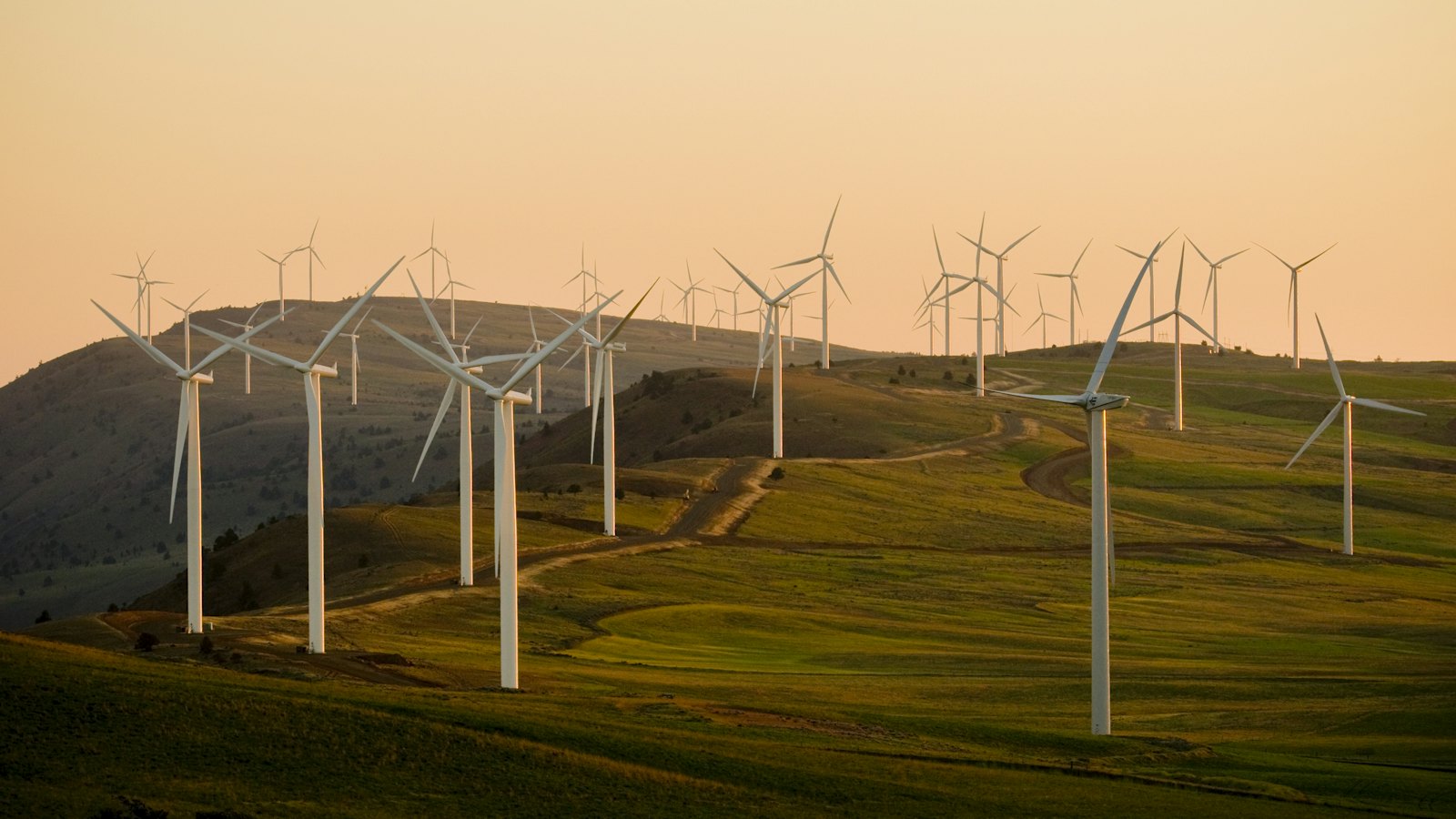
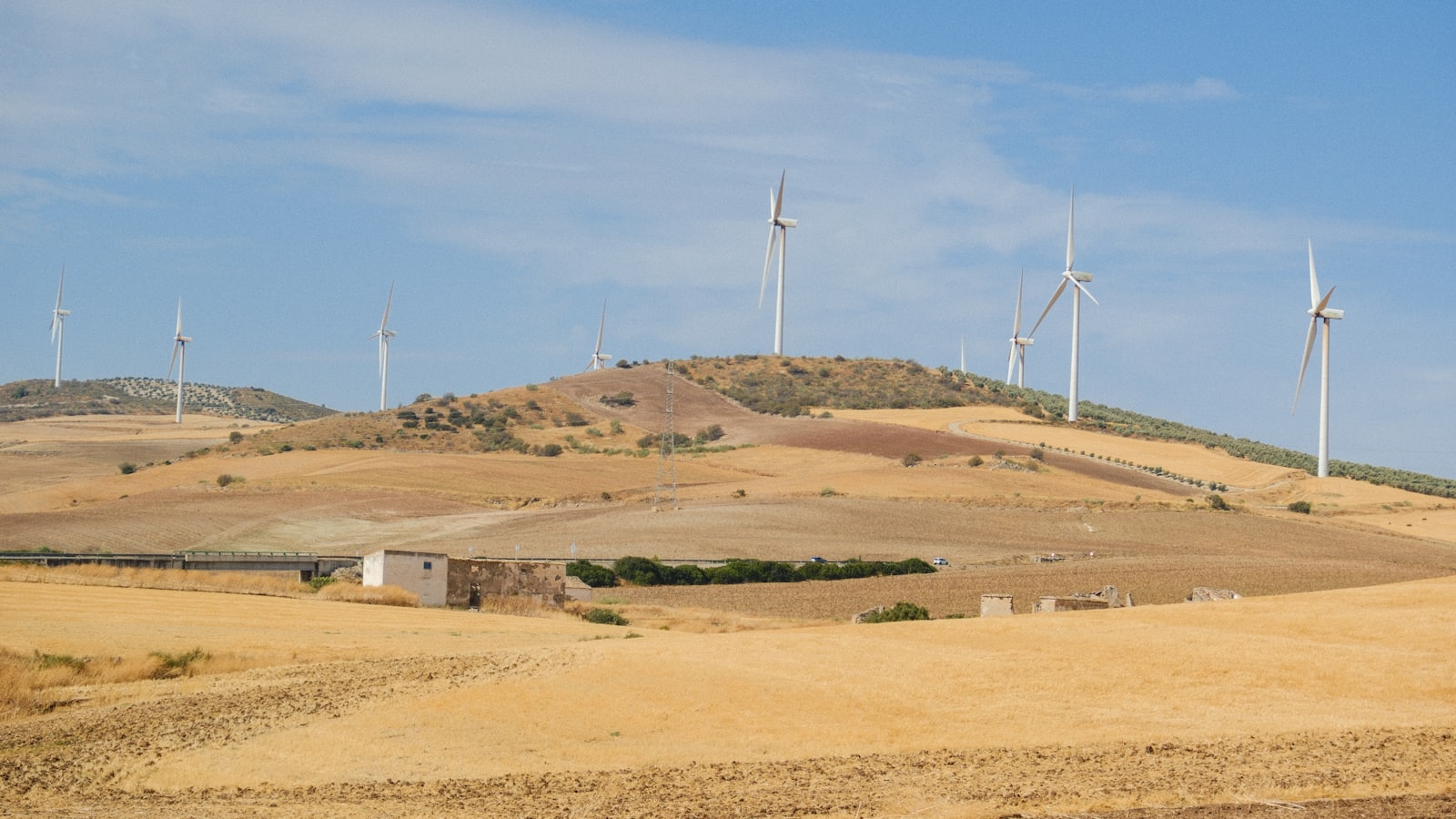
The milestone is partly seasonal — July favours solar and July 2026 was no exception — but the underlying trend is structural. Across Europe wind alone produced 285.36 billion kWh between 1 January and 20 August 2026, up from 264.52 billion kWh at the same point a year earlier. European solar reached 234.69 billion kWh against 202.05 billion kWh.
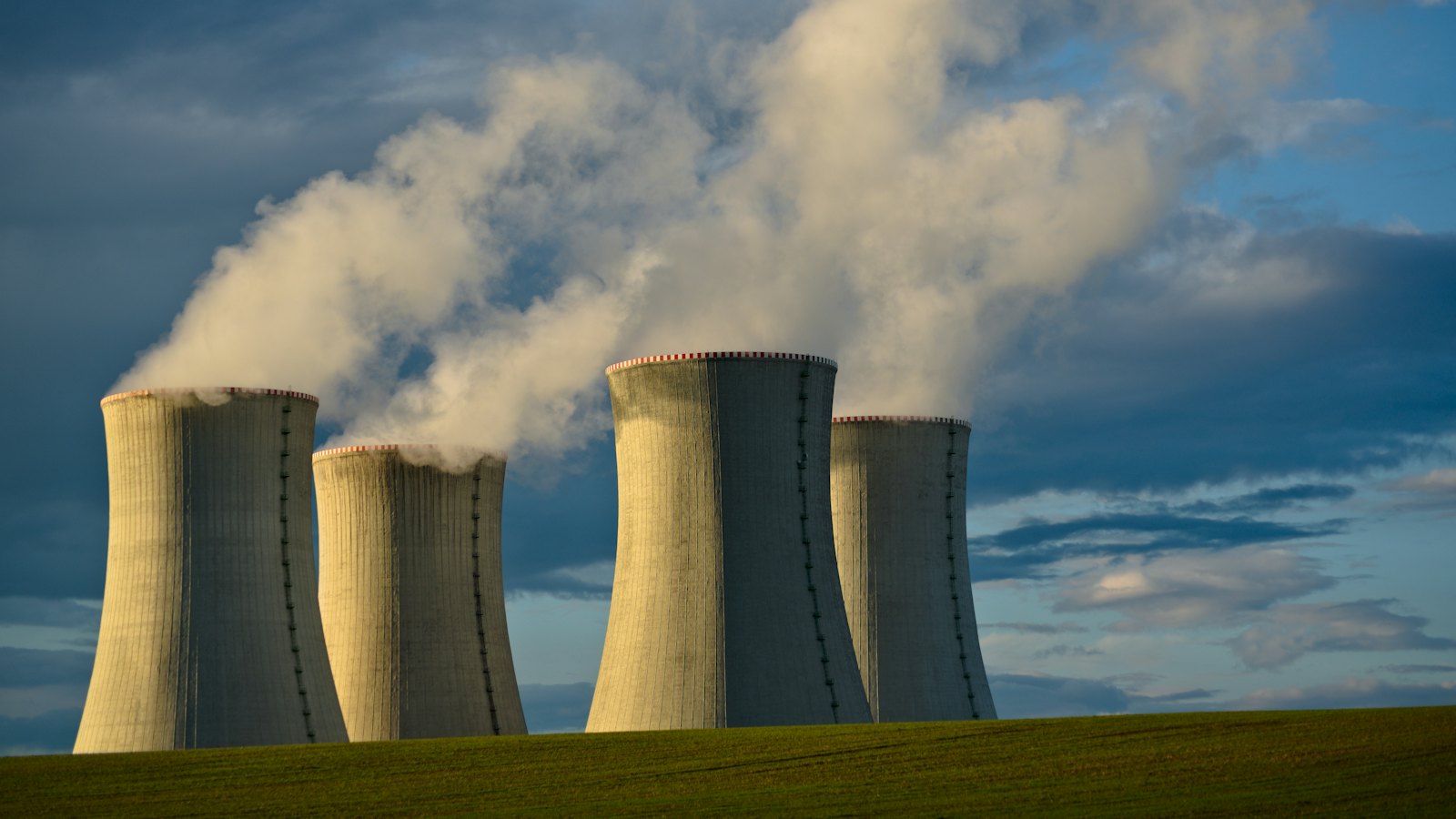
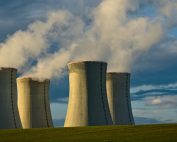
The comparison with nuclear is unusually pointed this year. European reactors have been squeezed by heat and low river levels, with Romania operating without nuclear generation for the first time since 2003 as cooling constraints bit. Solar drawing level with nuclear in a single month says as much about thermal plant availability under climate stress as it does about panel deployment.
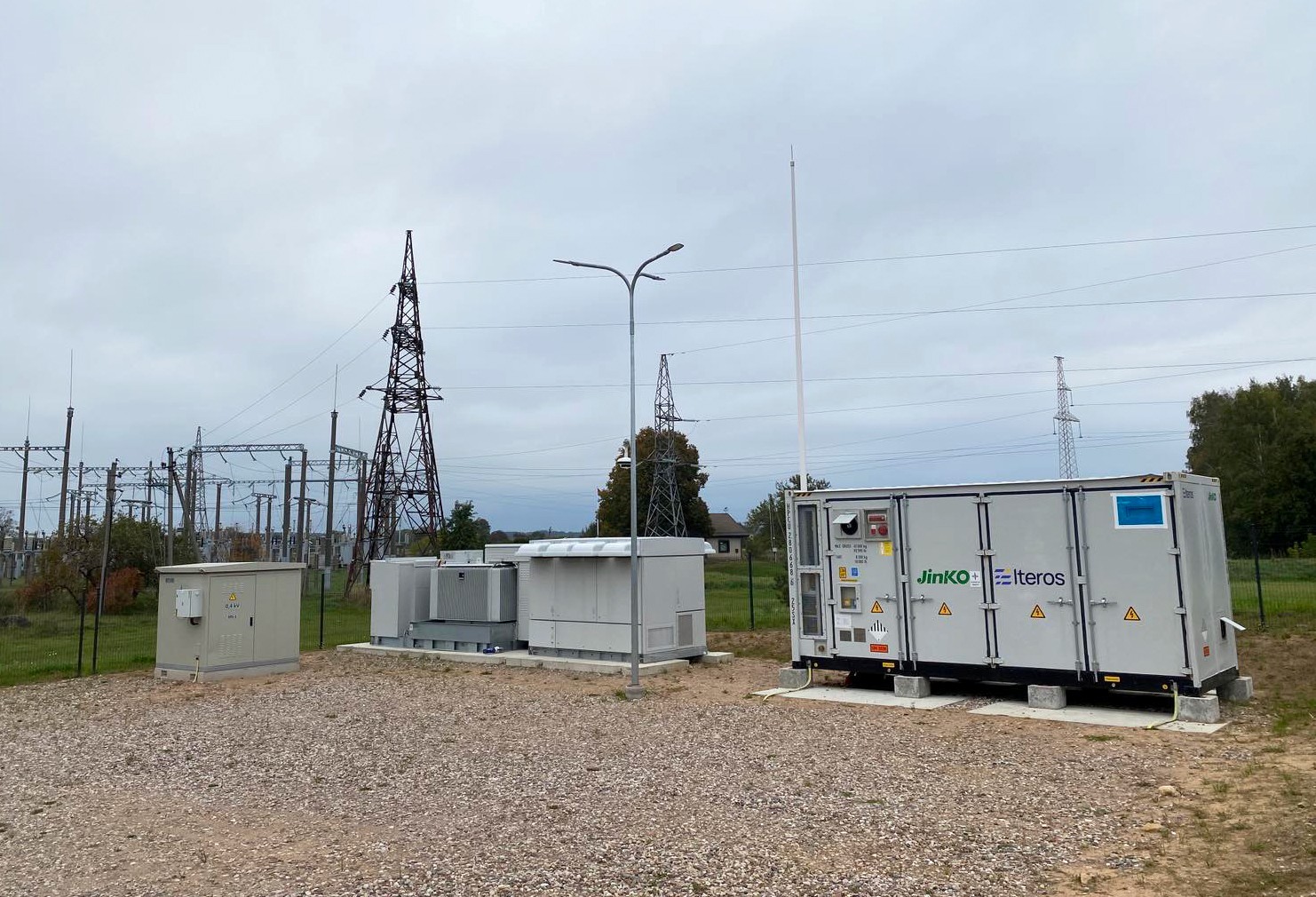
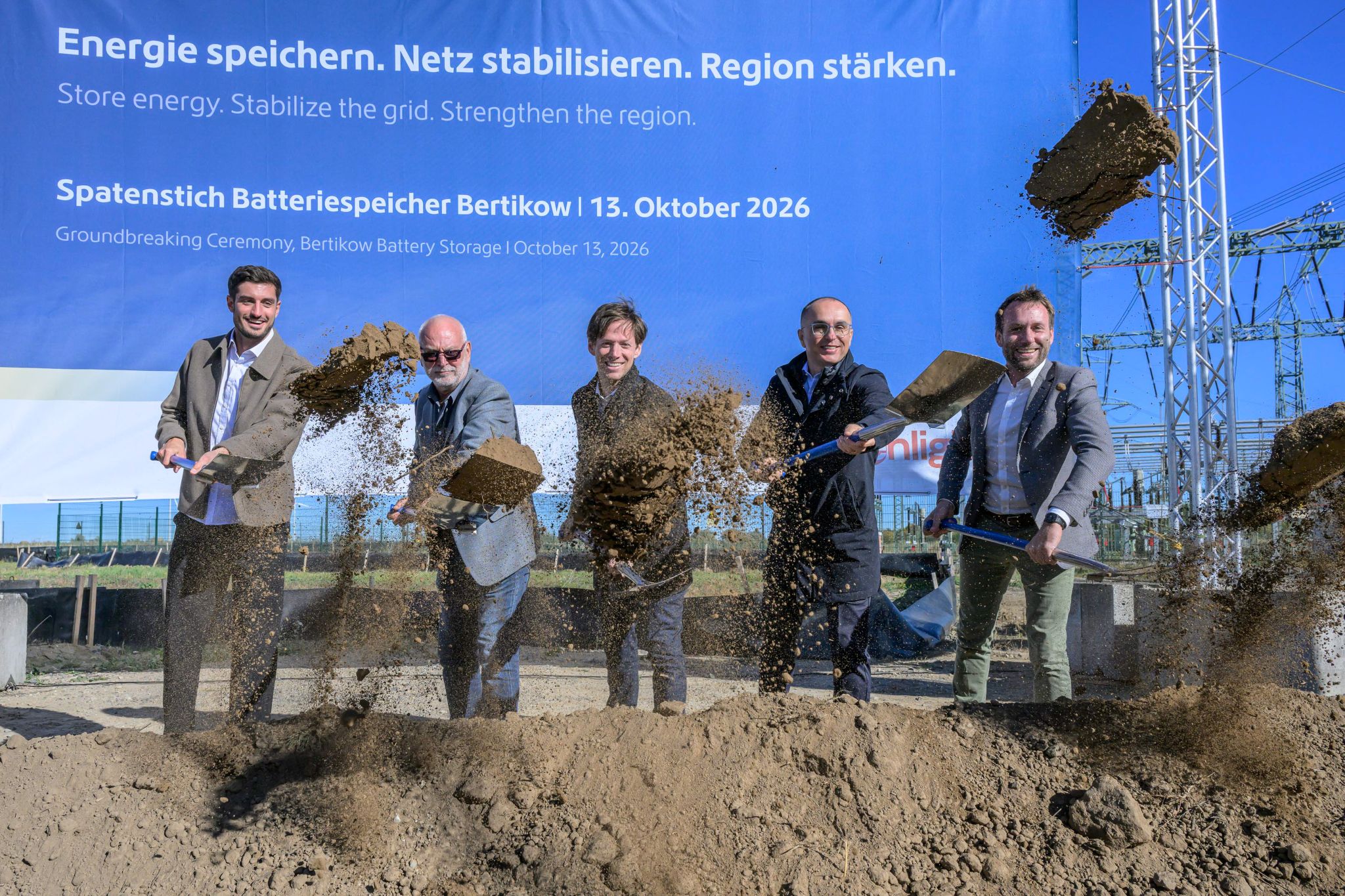
For system operators the relevant question is what happens in the other direction. A grid that runs near 50 per cent renewables in a sunny July has to be able to run in a windless, overcast February — which is precisely the argument now driving Europe’s capacity market and storage debates.
Source: IWR Energieletter 33 and 34/2026.