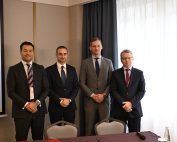
Elia Group, the owner of Belgian transmission system operator Elia and German transmission system operator 50Hertz, has called on the European Union to make power system stability a shared policy priority. Its new Viewpoint study, The New Stability Equation: Shared Responsibilities for an Affordable Energy Future, was presented on 20 November at TownHall Europe in Brussels.
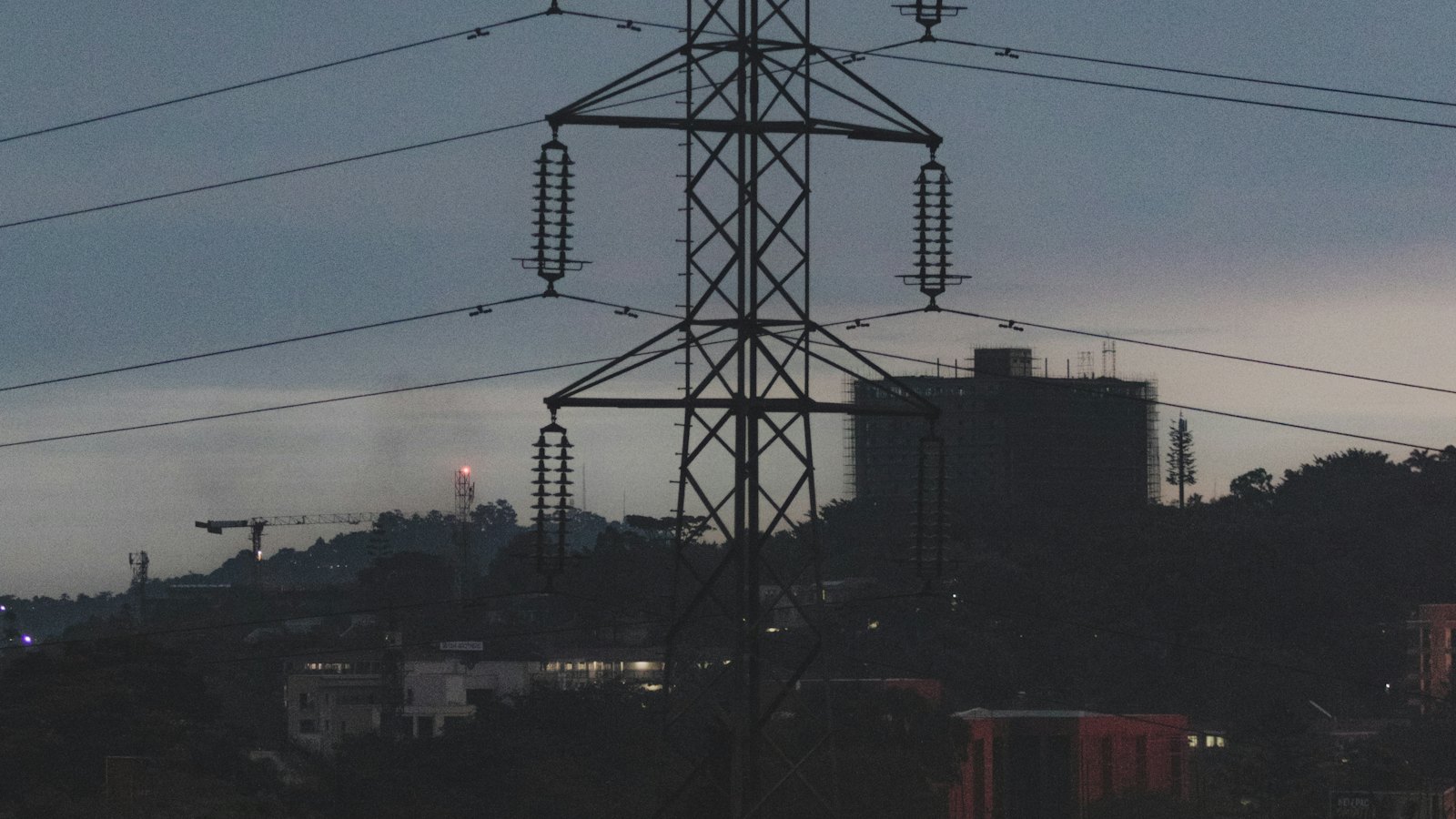
The study starts from a structural shift in the grid. For more than a century, the rotating machines of conventional power plants kept frequency and voltage stable. They are increasingly being complemented or replaced by wind farms, solar plants and batteries connected through power electronics, many of which depend on a stable grid to operate. In Belgium, wind, solar and batteries supplied up to 75% of domestic electricity generation in certain hours in 2025. Elia Group points to the blackout in Spain and Portugal on 28 April 2025, which affected around 60 million people, took up to 15.5 hours to restore and caused estimated losses of €1.6–3 billion. It estimates that a single hour of outage would cost around €125 million in Belgium and €0.5–1 billion in Germany.
According to the analysis, parts of Belgium’s grid could face operating constraints by 2040 without additional stability measures, leading to more curtailment of renewable output, restrictions on battery operation and greater reliance on costly corrective measures. At the same time, the group warns that building extra grid infrastructure to cover every possible situation risks unnecessary cost. It recommends combining targeted grid investment with technical requirements, capabilities supplied by connected installations and operational measures, and says planning must start now because many measures take years to take effect.
For Germany, the study finds that newly installed resources with advanced controls could provide around half of the remaining inertia requirement by 2037 under a conservative growth scenario, and could theoretically cover all of it under an optimistic one. With grid-forming technology, the group says, wind, solar and batteries can contribute considerably more to stability at low additional cost.
“The choices we make now will shape the power system for decades to come. That is why we need to anticipate future needs rather than react when constraints emerge. No single actor can solve this challenge alone,” said Bernard Gustin, CEO of Elia Group. He added that grid operators, policymakers, technology providers, asset owners and consumers all have a role to play.
Elia Group is calling for EU legislation requiring new installations that produce, store or consume electricity to have the technical capabilities to support stability. It proposes that installations be checked throughout their lifetime, not only at connection, and that the EU Electricity Directive be amended to encourage member states to introduce sanctions for non-compliance. It also wants long-term stability roadmaps coordinated across borders and national regulatory frameworks that reward stability through performance indicators.
The debate is directly relevant to the Baltic Sea region. 50Hertz operates the transmission grid in north-eastern Germany, where Baltic Sea offshore wind farms connect to the onshore system, and the Baltic states joined the continental European synchronous area in February 2025, making stability services an operational question across the region.