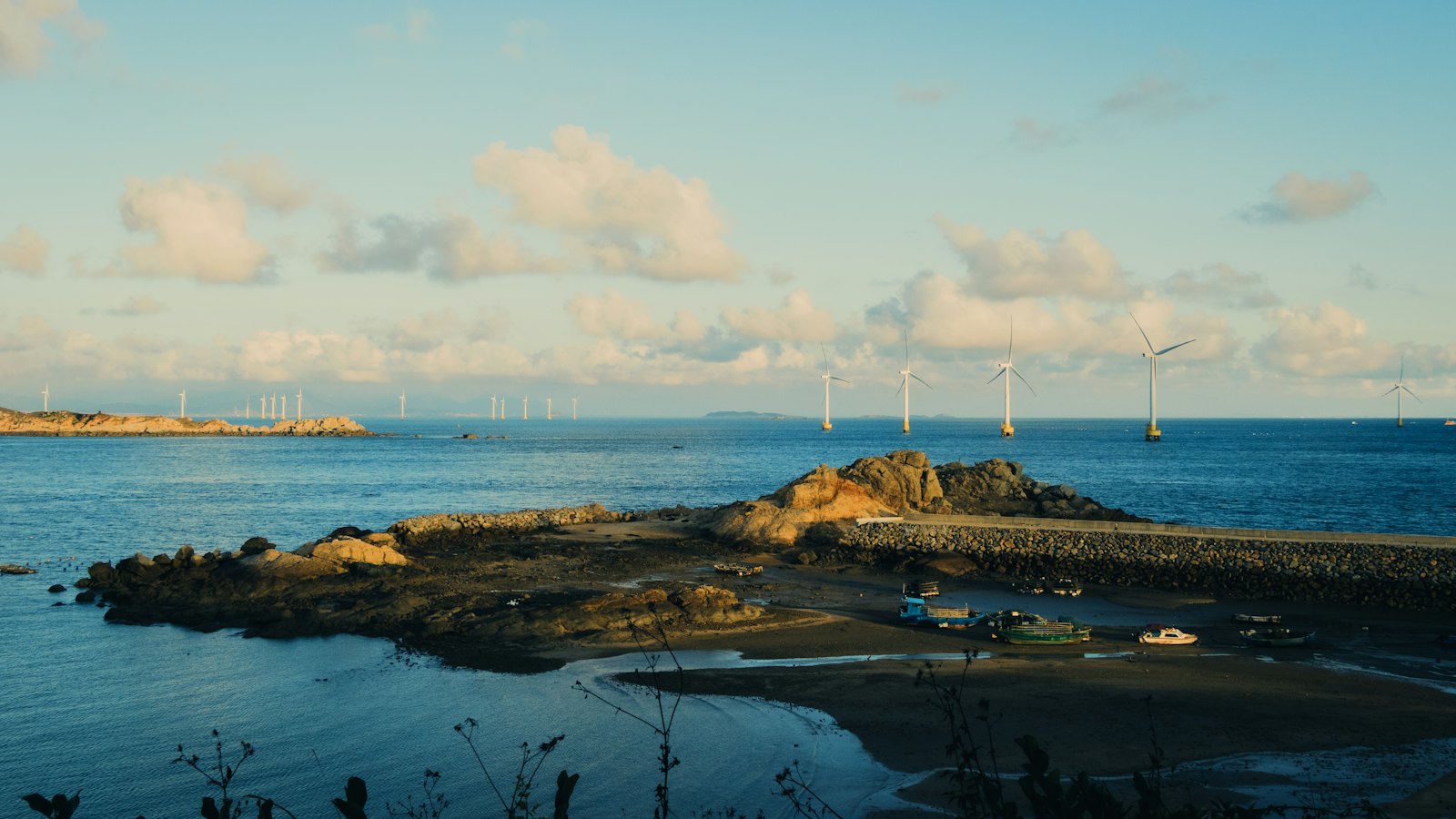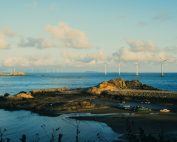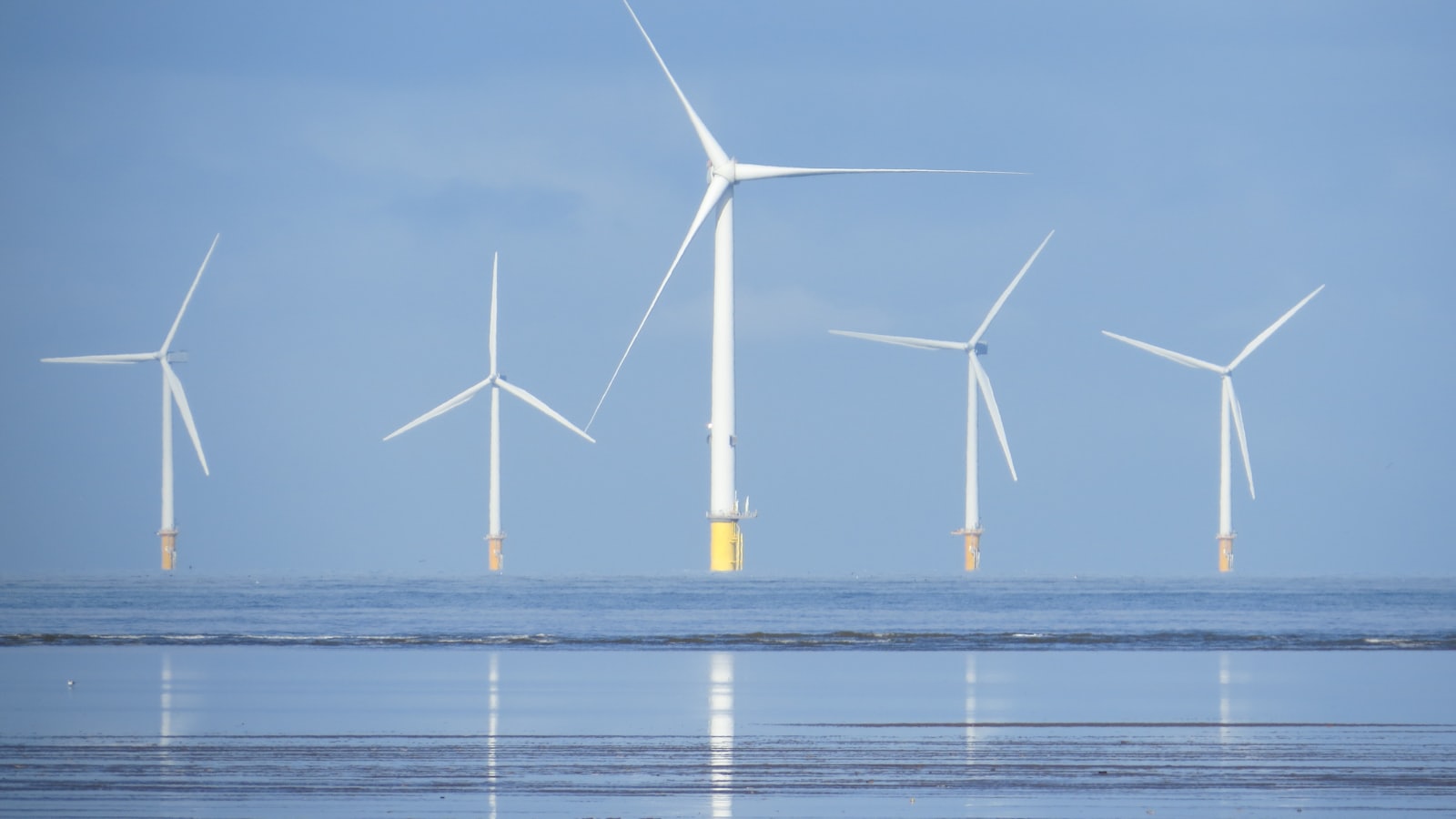
Baltic Power is Poland’s first offshore wind farm and the first Polish project to move from planning into full construction. Built around 23 km off the coast between Łeba and Choczewo by a joint venture of ORLEN and Canada’s Northland Power, it combines 76 Vestas turbines of 15 MW each for a capacity of about 1.2 GW. At full output it is expected to generate around 4 TWh a year — close to 3% of Poland’s electricity demand, or the equivalent of more than 1.5 million households.
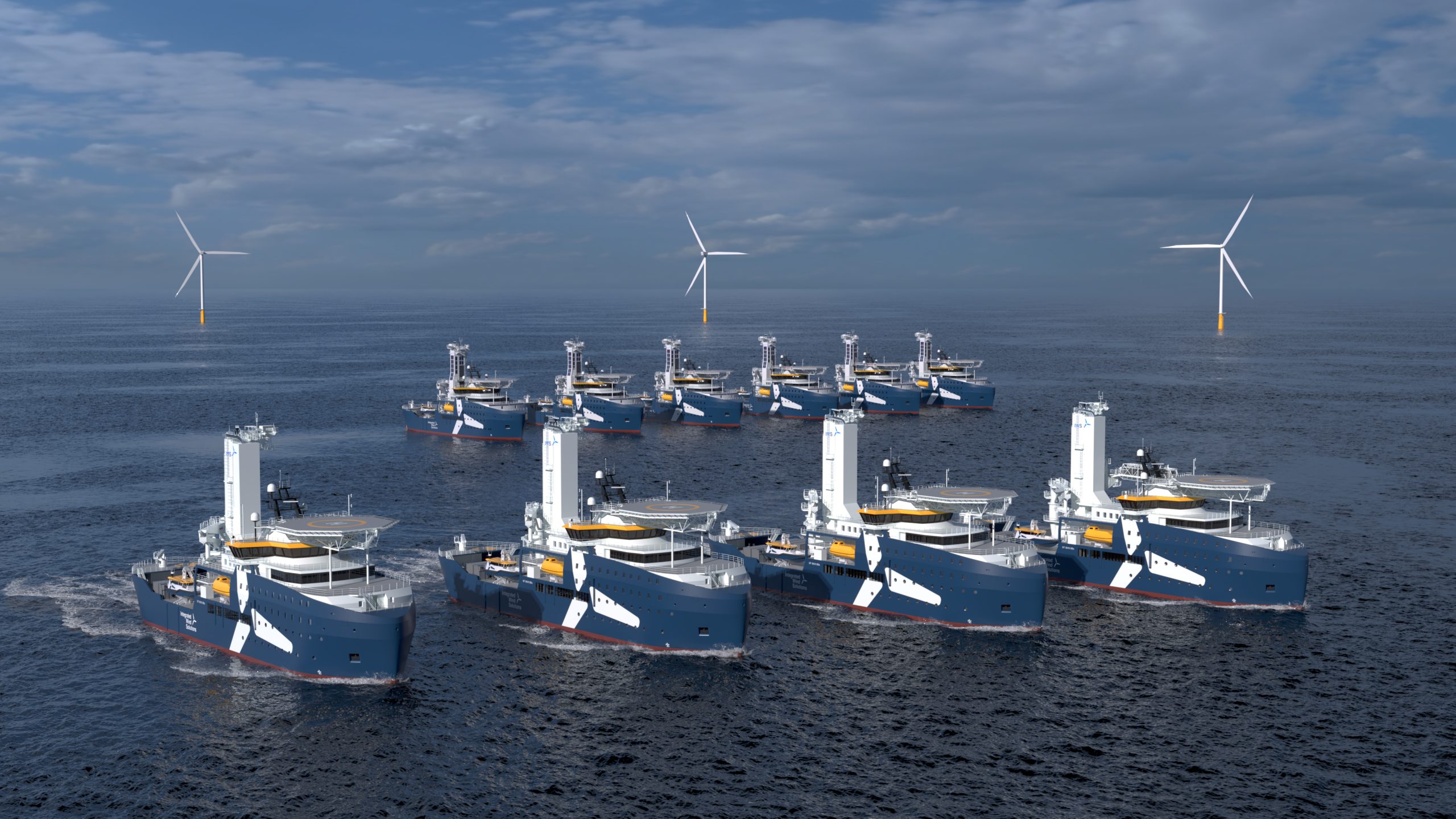
Offshore construction began in early 2025 and advanced quickly. All 78 foundations and transition pieces — 76 for the turbines and two for the offshore substations — were installed, followed by turbine assembly and a cable campaign that laid roughly 350 km of inter-array and export cables. Both offshore substations and the onshore substation in the Choczewo municipality were prepared for commissioning. At its peak the effort drew on more than 100 vessels and over 5,300 crew and contractors.
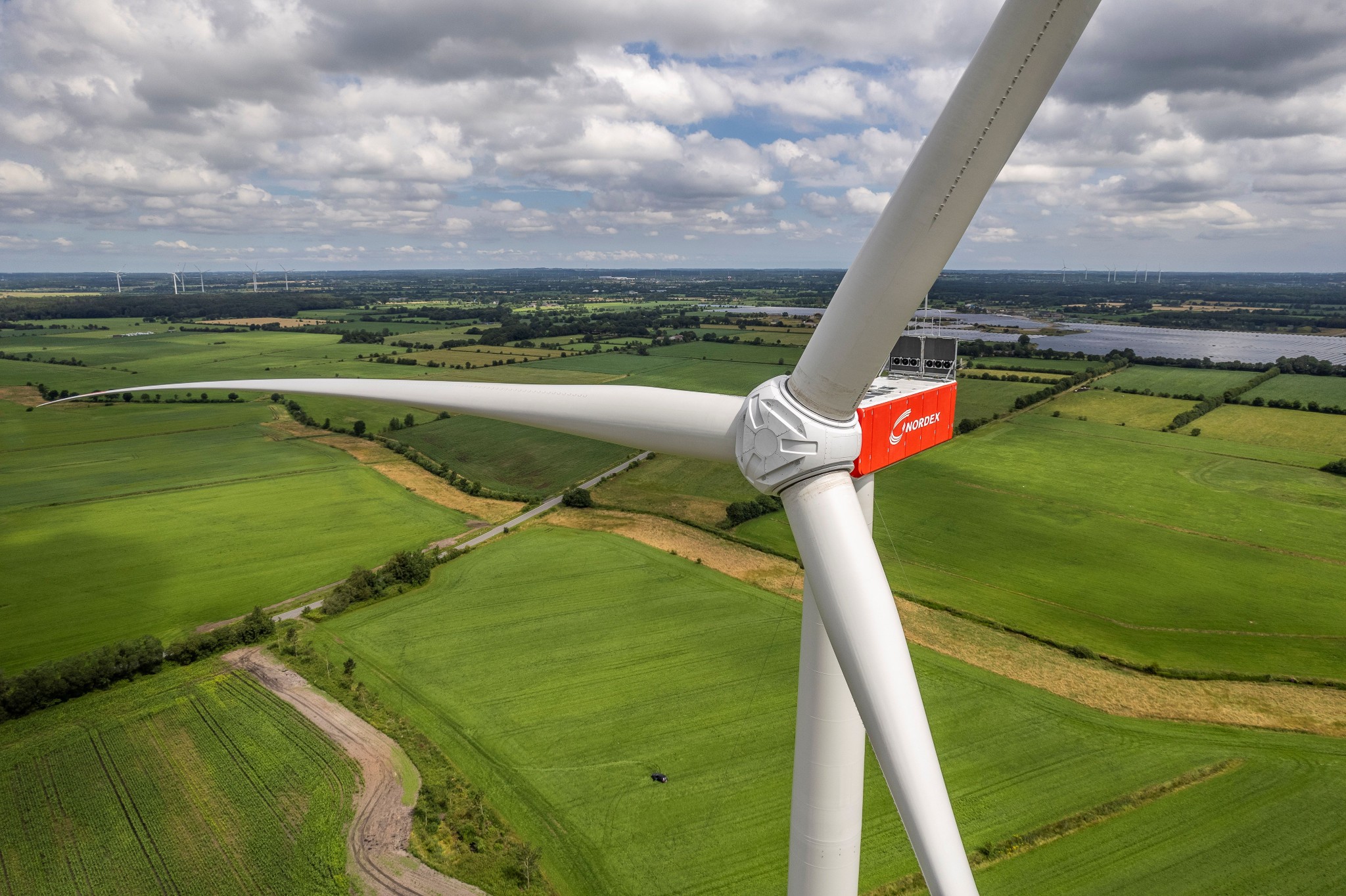
The turbines belong to one of the first two projects worldwide to use Vestas’s 15 MW machine, the largest model from a European manufacturer. Each turbine and its foundation stands over 250 metres tall, with 115.5-metre blades sweeping an area larger than six football pitches. Baltic Power is also the first project to build recycled steel into the upper tower sections, cutting their carbon footprint by around 10%, and several nacelles were assembled in Szczecin. Installation was carried out by Cadeler using a jack-up vessel supported by crew transfer and service vessels.
The project passed its 50-turbine mark and then delivered its first electricity to Poland’s national grid — the country’s entry into offshore wind generation. Reaching First Power means the first turbine is generating and the farm has entered phased commissioning; output rises gradually as further turbines are tested and energised, until the full 1.2 GW is reached. Construction is scheduled to finish in the second half of 2026.
The build has leaned heavily on Polish suppliers. Offshore substation topsides came from the Gdańsk and Gdynia shipyards, onshore cables from Bydgoszcz, and foundation components from Żary and Niemodlin. Local content is expected to exceed 21% over the project’s lifetime, within the 20–30% range set under Poland’s offshore Sector Deal. The investment secured about 3.5 billion złoty (roughly €800 million) from Poland’s National Recovery Plan, part of ORLEN’s wider capital programme.
Attention is now shifting from construction to a 30-year operations phase. The service base in Łeba, running since spring 2025, will serve as the farm’s home port and maintenance hub and houses the coordination centre that monitors shipping around the site. Baltic Power has begun recruiting operational staff — ultimately around 40 of its own employees and more than 50 contractors — and has signed its first long-term maintenance contracts, including an integrated Balance of Plant O&M agreement with Norway’s Føn Energy Services covering foundations and subsea cables. The company has also run compensation schemes for local fishermen affected by the works. With Baltic Power close to completion, the ORLEN group is already turning to its next Baltic projects, Baltic East and Baltic West — making Poland’s first offshore wind farm the template for a domestic industry rather than a one-off.