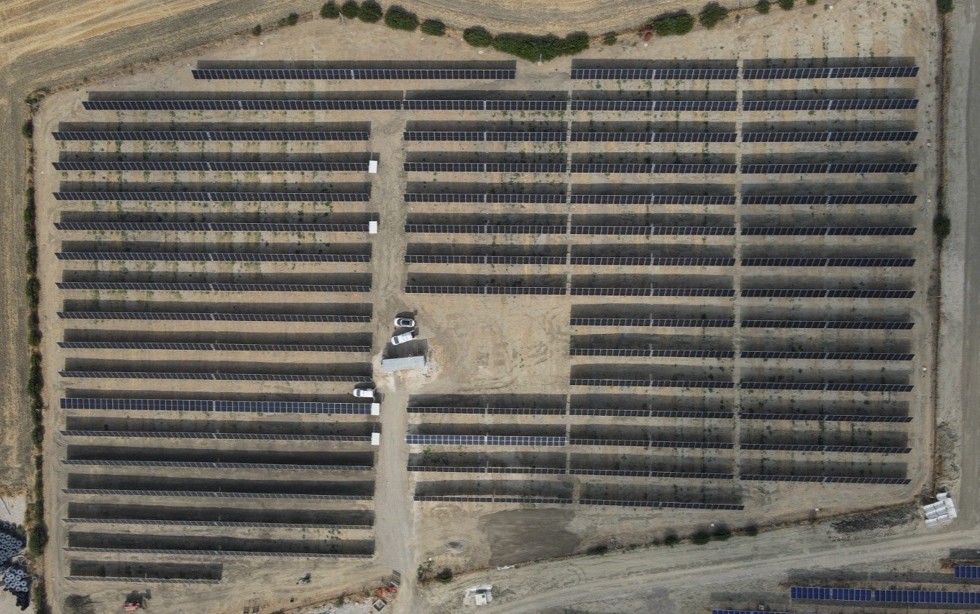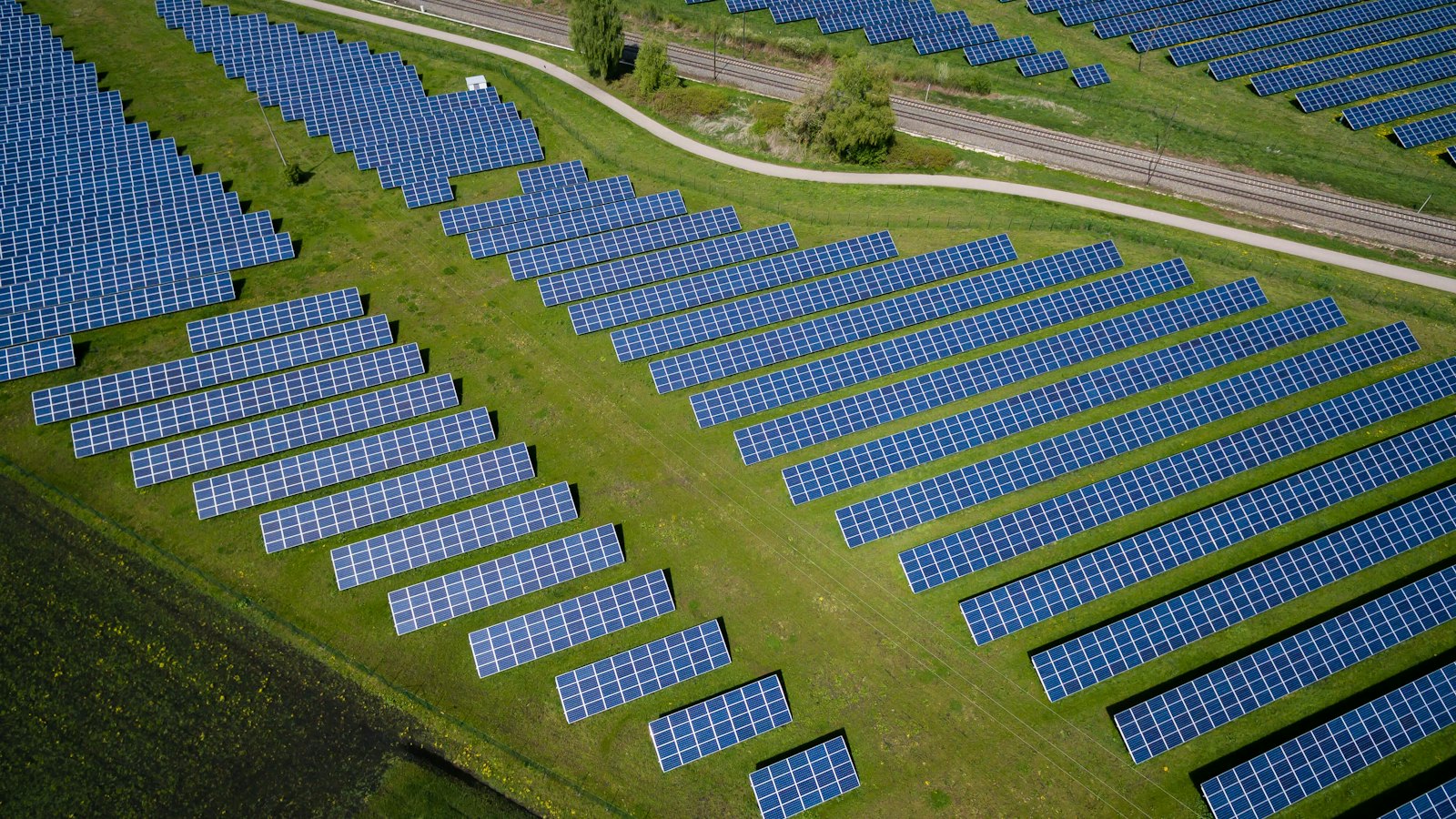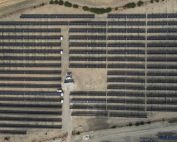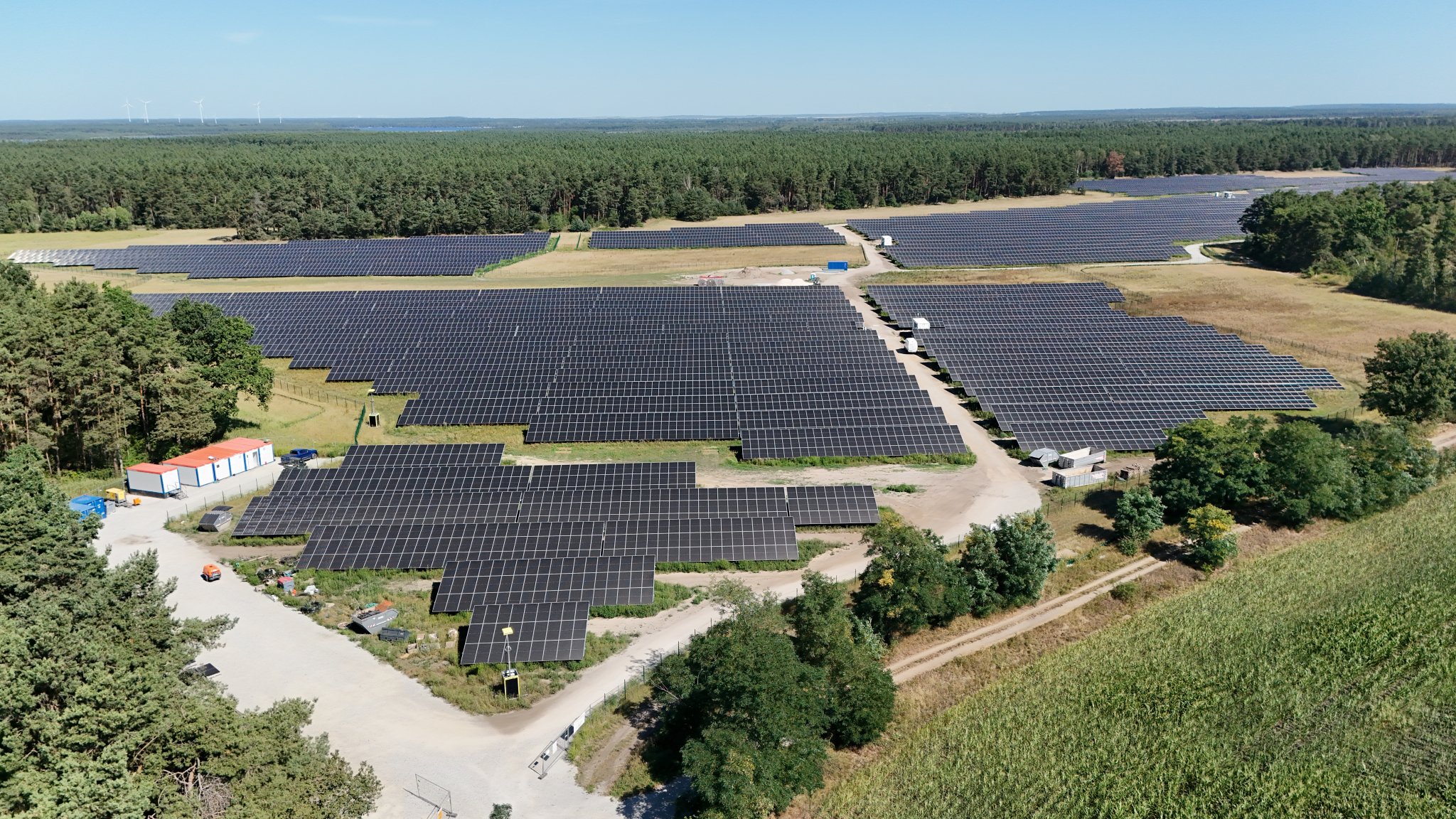
Project developer UKA has commissioned the Elsterheide photovoltaic park in the north of the Bautzen district in Saxony, Germany. The plant has a capacity of 18 megawatts peak (MWp), and the company estimates it will avoid around 15,000 tonnes of CO₂ a year, based on a method of the German Environment Agency (UBA).
According to UKA, the project took about five years from first ideas to operation. The municipal resolution to draw up the site plan was taken in December 2021, construction began in February 2026, the first modules were delivered at the end of April and module installation started in mid-May. The park went into operation in mid-October. Its power is fed into the grid via the substation in Hoyerswerda, around six kilometres away.
Next to the solar park, UKA plans a battery storage system. The permit application has been submitted, and the company aims to begin construction next year. The municipality of Elsterheide will receive payments over the plant’s lifetime under the German Renewable Energy Revenue Participation Act, which it can use for local infrastructure, events or social projects within legal limits.
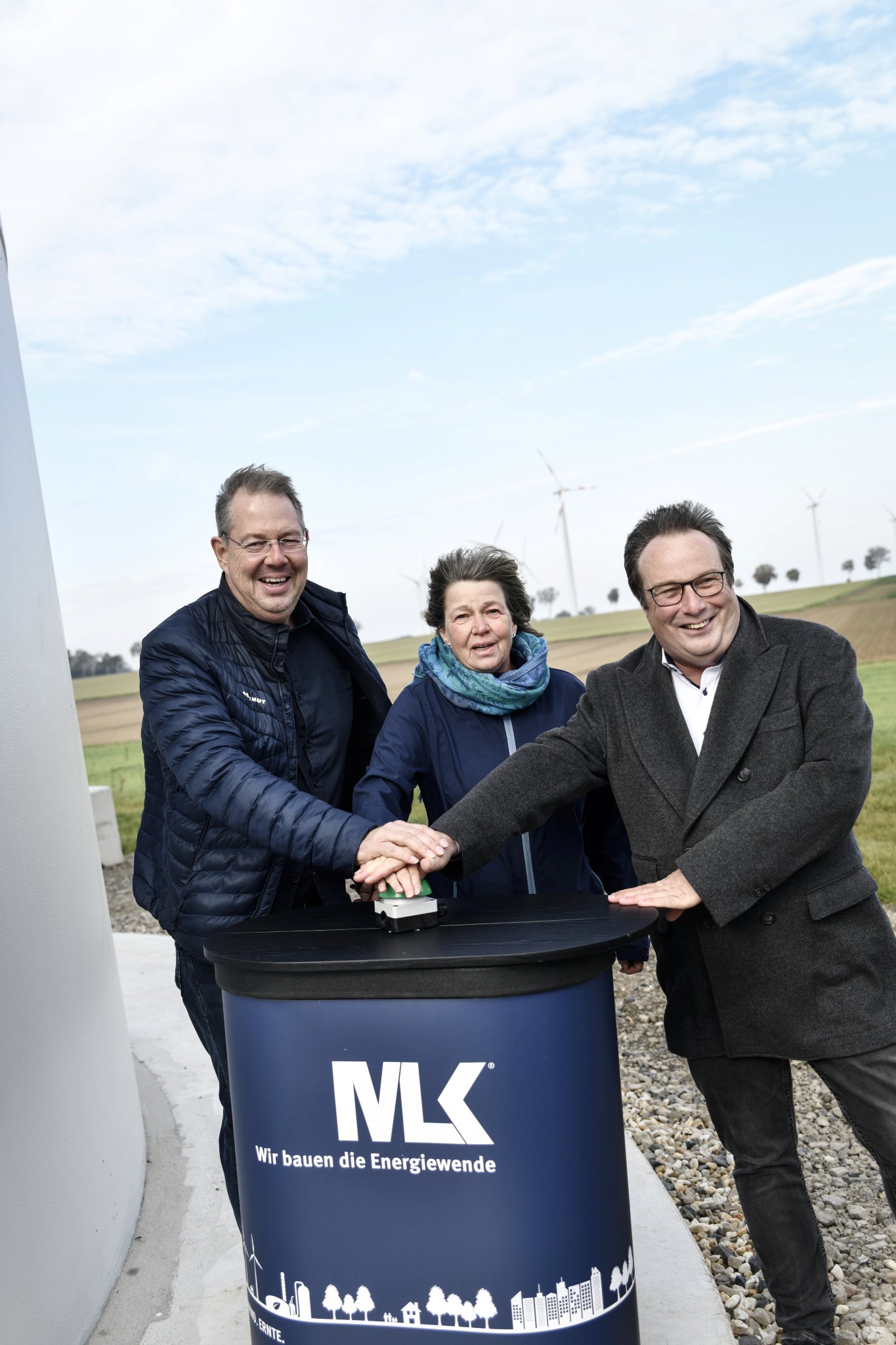
“With the commissioning of the Elsterheide solar park, it becomes visible what can emerge from an idea and a long planning process,” said project manager Marcus Prietzel. UKA, based in Meißen, develops, builds, operates and sells wind and solar parks, complemented by battery storage. Pairing new solar capacity with storage is increasingly common in Germany, and it is also a theme for developers across the Baltic Sea region.