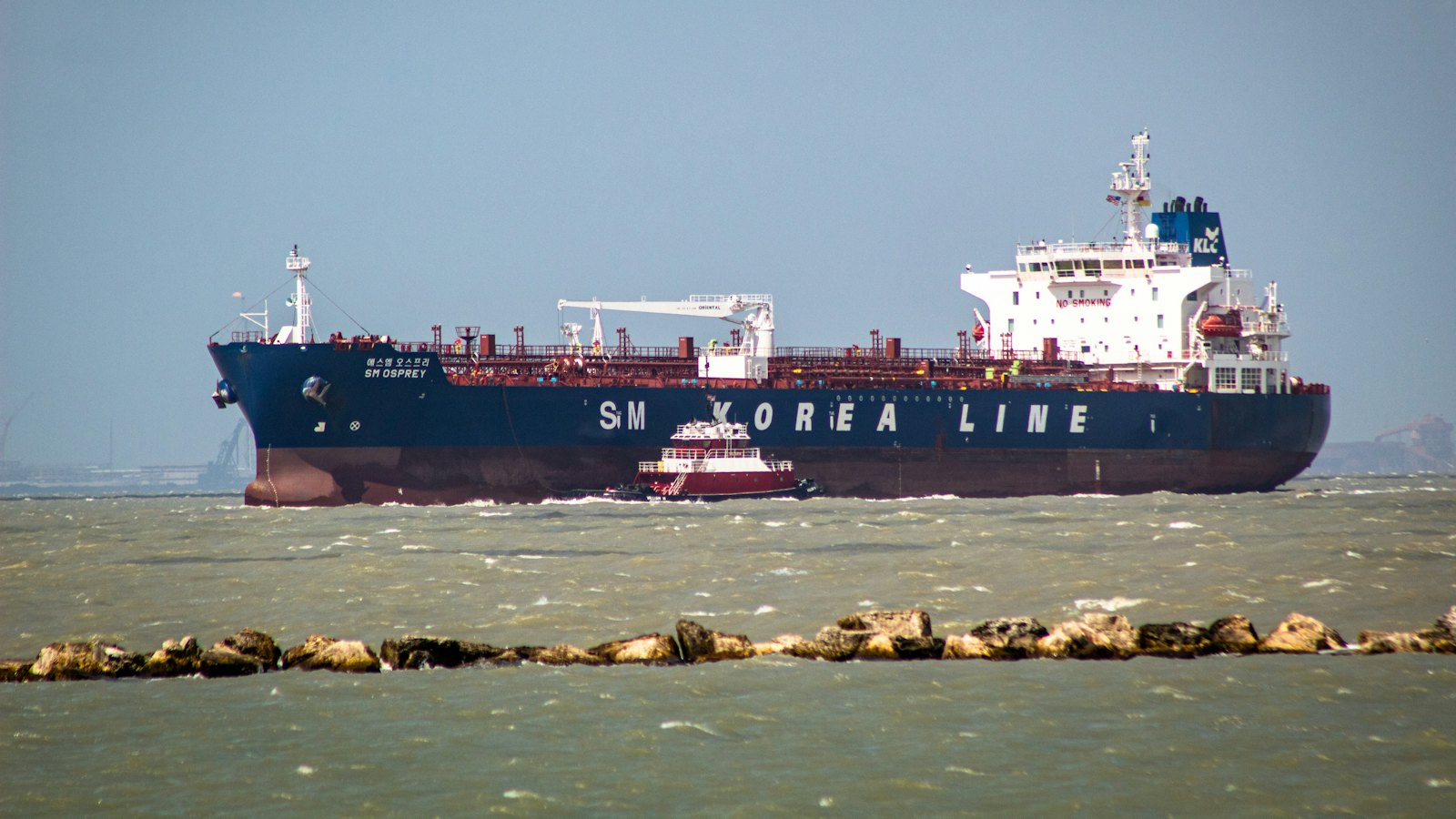
German Foreign Minister Johann Wadephul has described the Baltic Sea as the most obvious theatre of confrontation with Russia, warning that repeated incidents around critical infrastructure make the region central to Europe’s collective defence. Speaking at the Kiel Security Conference, he said the Baltic, the Black Sea and the North Atlantic differ in geography but are united by a single threat.
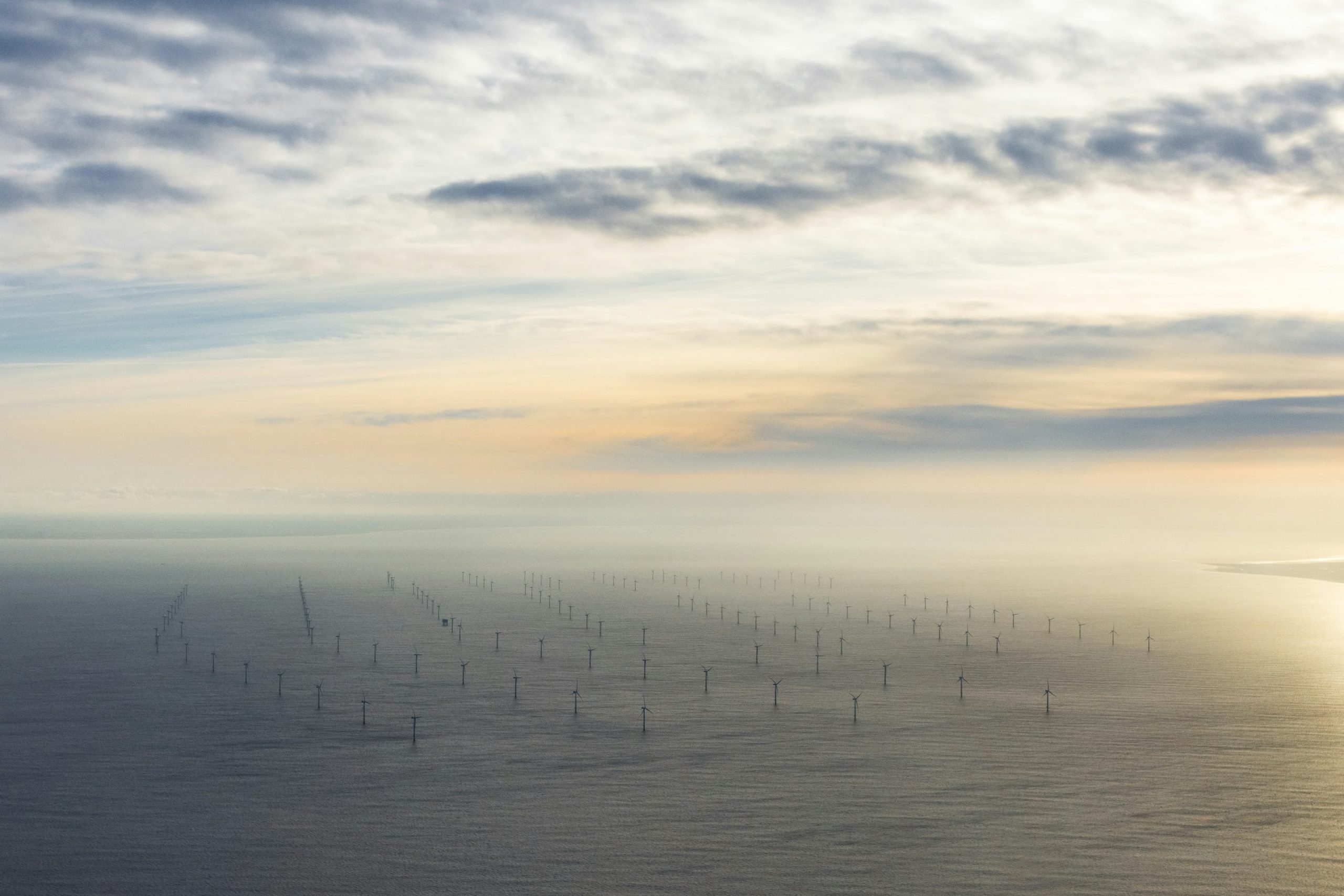
Wadephul pointed to a pattern of hybrid pressure in the Baltic: acts of sabotage, espionage, GPS jamming, drone and aircraft incursions into NATO airspace, the transit of Russia’s “shadow fleet” and the repeated appearance of Russian research vessels near critical infrastructure. Those warnings carry direct weight for offshore energy, given the dense network of subsea power cables, interconnectors and wind farms now installed across the sea. He framed the annual BALTOPS naval exercise, led by the US Sixth Fleet and now in its 55th year, as evidence that transatlantic cooperation remains operationally intact despite doubts about its future.
The minister argued that NATO’s northeastern flank has been transformed from a “tripwire” into a “transatlantic stronghold”, strengthened by rising European defence budgets moving toward the alliance’s five-percent target. He said Sweden and Finland, NATO’s newest members, rely heavily on Baltic supply routes, making the sea a strategic corridor for reinforcement and resupply.
Wadephul also drew lessons from Ukraine’s naval campaign in the Black Sea, where drones and innovation broke Russia’s presumed maritime dominance, and pointed to the European Union’s first strategy for the Black Sea region. For the Baltic states and the wider offshore sector, his message underlined how closely energy infrastructure, maritime security and geopolitics are now intertwined in the region.