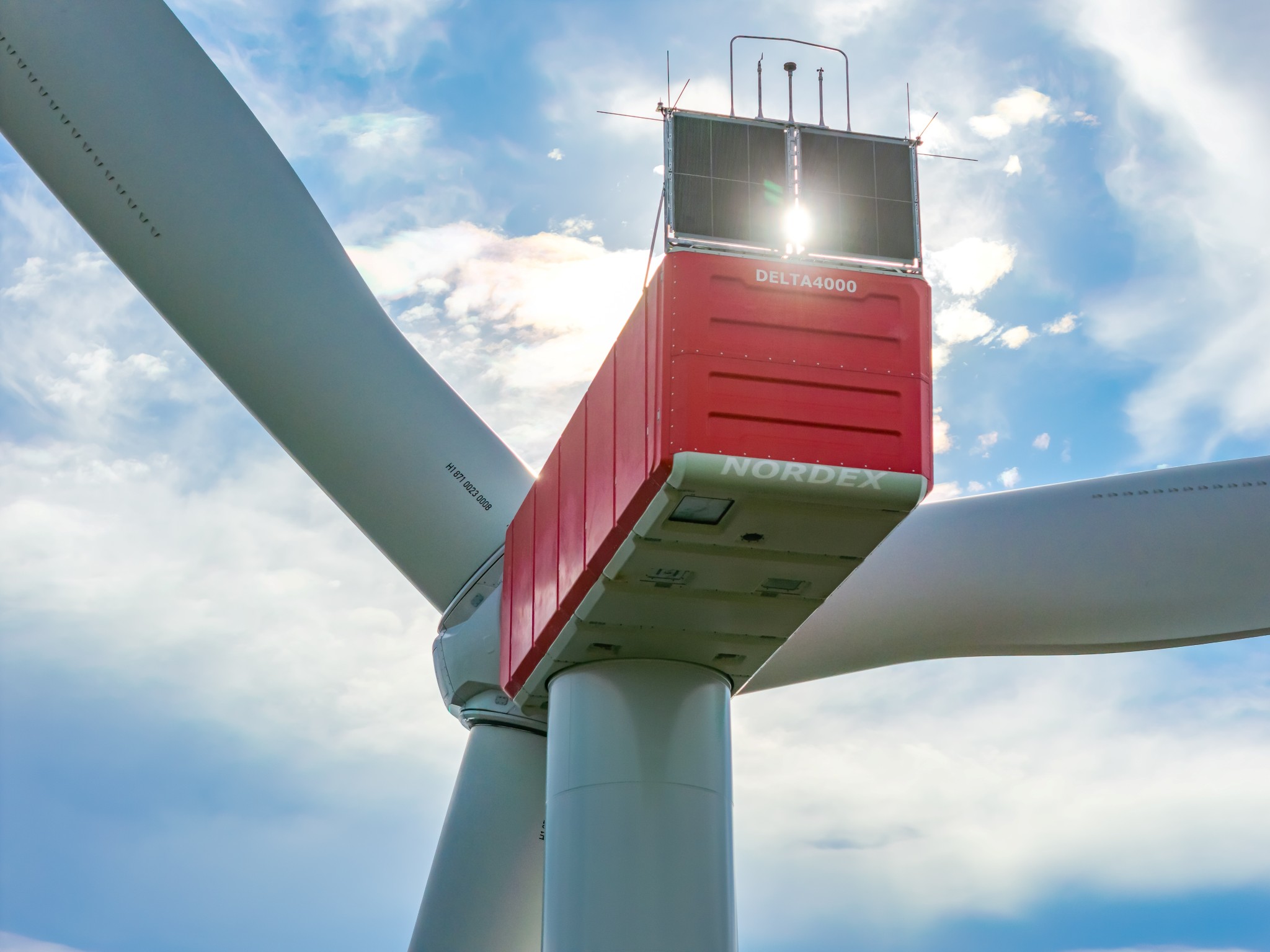
Five European Union countries — Germany, Poland, Estonia, Latvia and Lithuania — are stepping up onshore wind capacity at a pace not seen in recent years, driven partly by the economic fallout from the energy crisis and a shared determination to reduce dependence on fossil fuel imports, according to an analysis published by WindEurope.
Germany added more than 4 GW of new wind capacity in 2024, more than double that of any other EU country, and is expected to build around 8 GW annually on average between 2025 and 2030. Key permitting reforms — including the designation of wind projects as matters of overriding public interest — allowed Germany to permit 15 GW of new onshore wind in 2024, seven times the level of five years ago. The new German government has also committed €500 billion in infrastructure spending, with €100 billion earmarked for a climate fund covering industrial and transport electrification.
In Poland, the government has proposed legislation to reduce the minimum setback distance for onshore turbines from the current 1.5 km to 500 metres, which would significantly expand the buildable area. The bill also seeks to accelerate permitting, particularly for repowering projects. Poland this year also completed the two offshore substations for the 1.2 GW Baltic Power wind farm — its first commercial-scale offshore deployment.
The Baltic States have made equally notable progress. The share of wind in their collective electricity mix has risen from 15 per cent to 28 per cent over the past three years alone, and WindEurope forecasts the region reaching a combined wind capacity of 10.5 GW by 2030, up from 2.5 GW today. Estonia has expanded its available wind development area from 10 per cent of national territory to over 60 per cent. Latvia has fast-tracked environmental permits and is planning projects in state-owned forests. Lithuania is exploring ways of linking new wind farms to industrial electrification. Concrete investment is following: developer Vindr recently announced up to €600 million in new onshore wind capacity in Latvia alone.
WindEurope notes that all five countries share the experience of being hit hard by the collapse of Nord Stream 2 and Russia’s use of energy as a geopolitical tool. Europe’s existing wind fleet already avoids 100 billion cubic metres of fossil imports annually; that figure is expected to double to 200 bcm by 2030 if current targets are met.