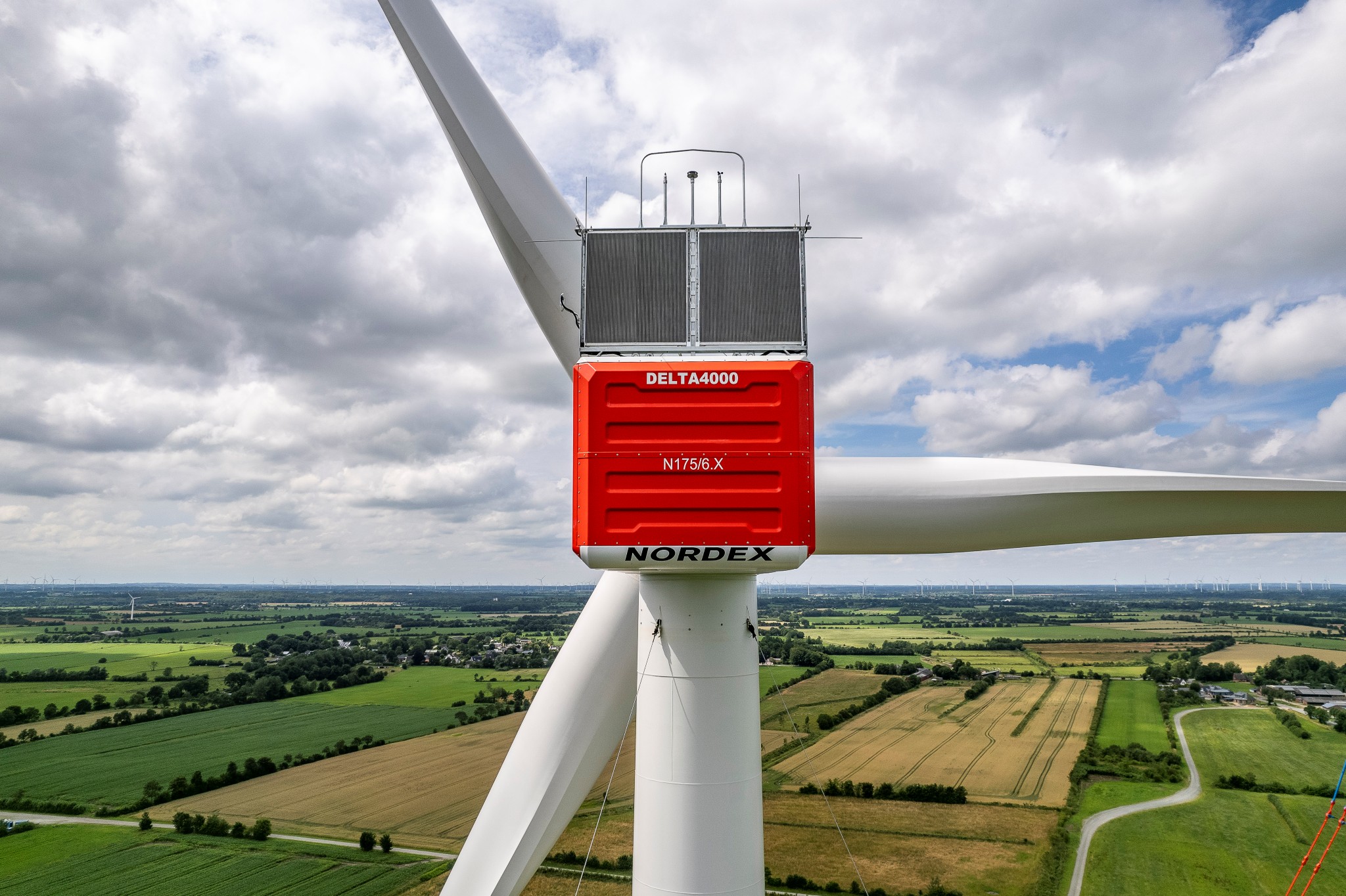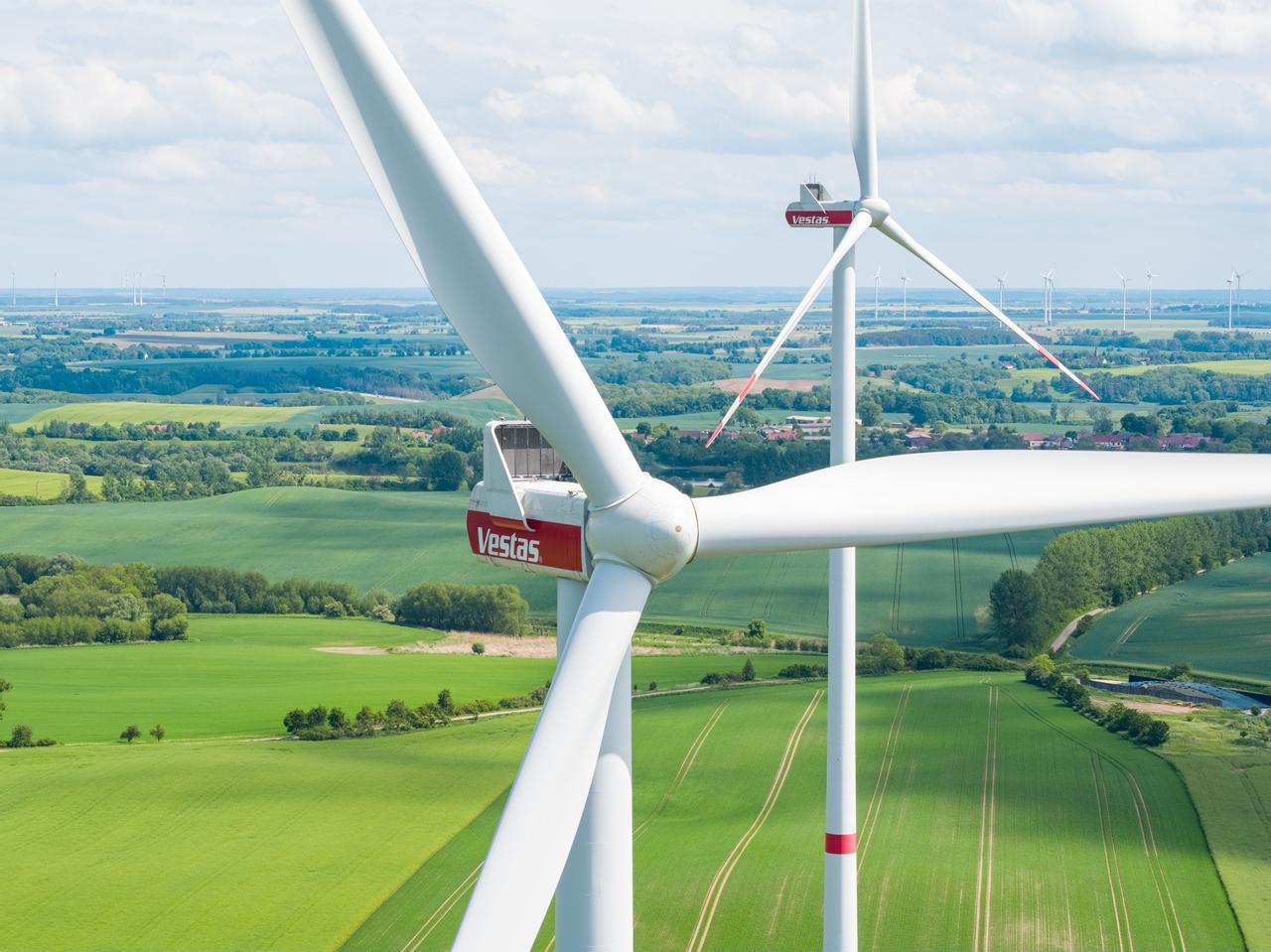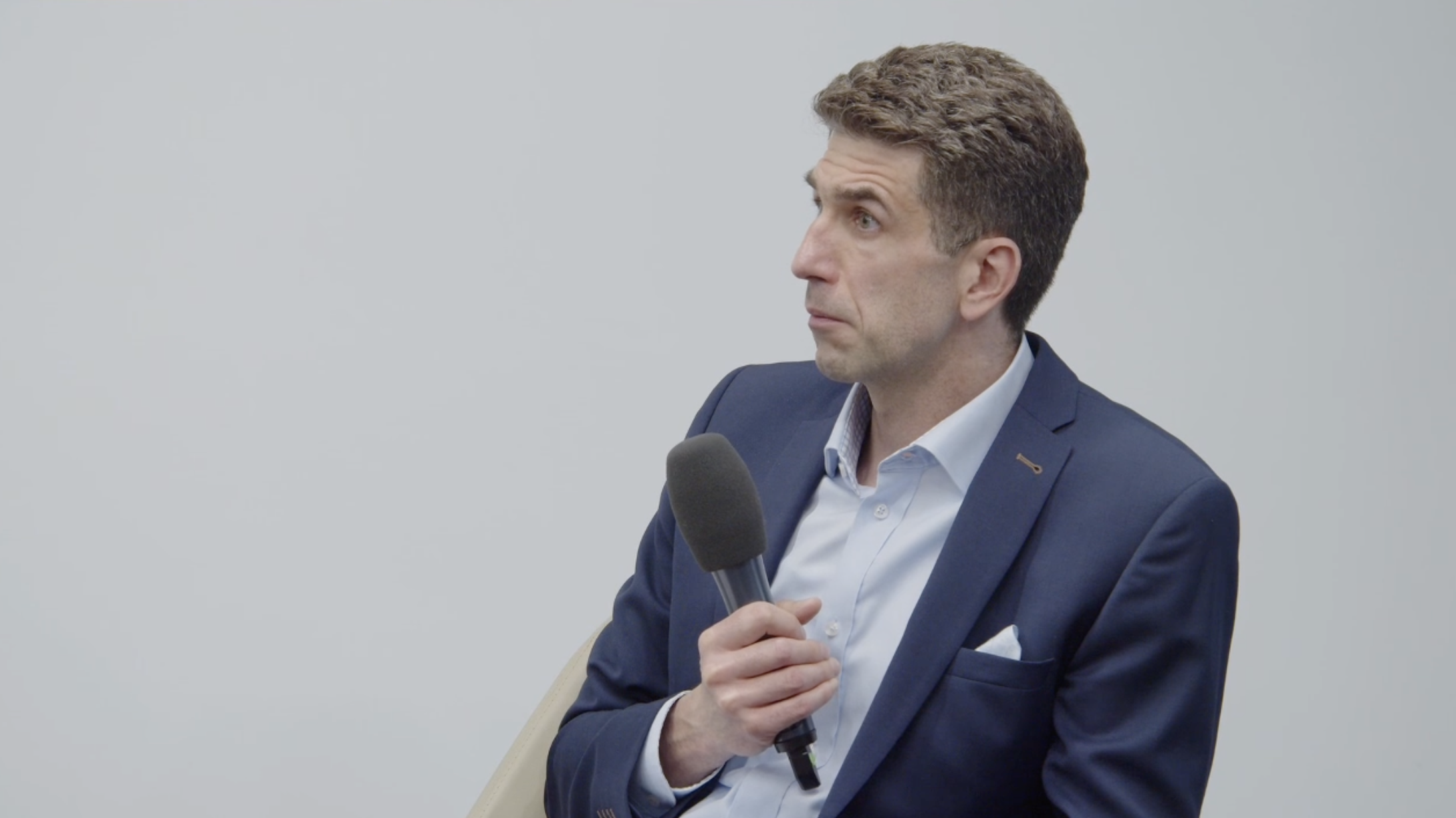
Health-based disinformation about wind turbines works not by converting supporters into opponents but by sowing doubt and encouraging delay, public-health researcher Filip Raciborski of the Medical University of Warsaw told a Warsaw debate on energy disinformation.
Speakers stressed that the science is not in dispute: there is no evidence of harmful health effects from turbine noise, the so-called ‘wind turbine syndrome’ is not confirmed, and a separation distance of at least 500 metres is considered safe. A modern turbine, the conference heard, produces noise comparable to rustling leaves or a household fridge.
The problem, Raciborski argued, is structural. Peer-reviewed papers are written for other scientists, in technical language and hedged with sections on their own limitations — which a lay reader may find unconvincing rather than reassuring. At the same time, the authority of scientists has eroded, with the voices of celebrities and influencers now weighted alongside those of experienced researchers. The result is often not opposition but hesitation: ‘maybe we should wait for another study,’ a mechanism he compared to vaccine disinformation.
Disinformation expert Katarzyna Bakowicz added that facts can beat myths but never beat emotions. She described an ’emotional triad’ of fear, anger and shame on which wind-energy disinformation feeds — fear for one’s health, anger that seeks a culprit (often framed as Germany ‘dumping scrap’ on Poland), and a lingering sense of inferiority towards the West. The answer, she said, is to meet emotion with experience and to rely on trusted local messengers rather than an outside authority.
Both speakers placed the issue in a wider context. According to the World Economic Forum’s latest global risks assessment, disinformation ranks second among short-term threats and fourth over the longer term. There is no quick fix, Raciborski cautioned — only patient, credible communication built on real people and real experience.