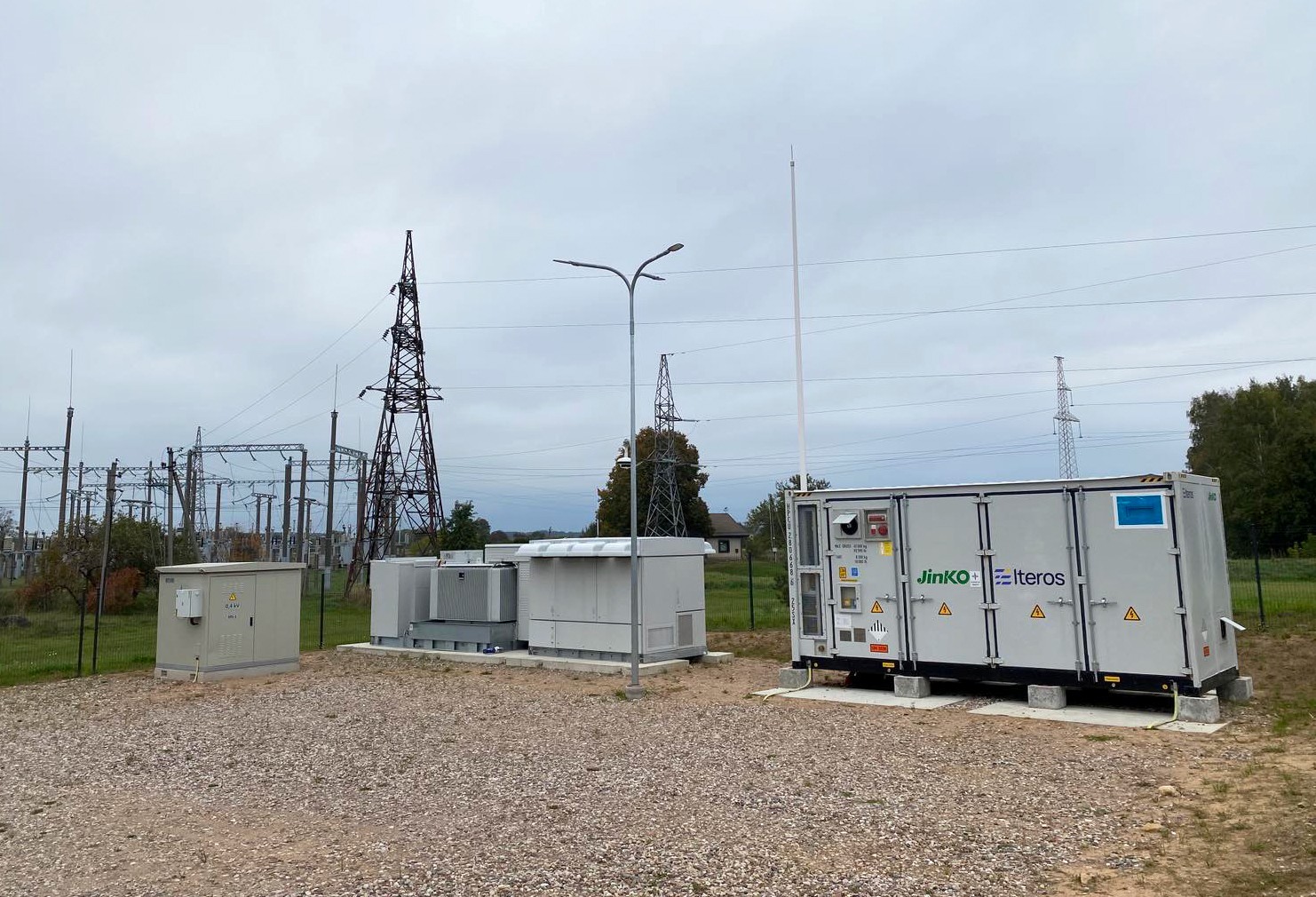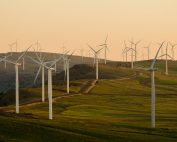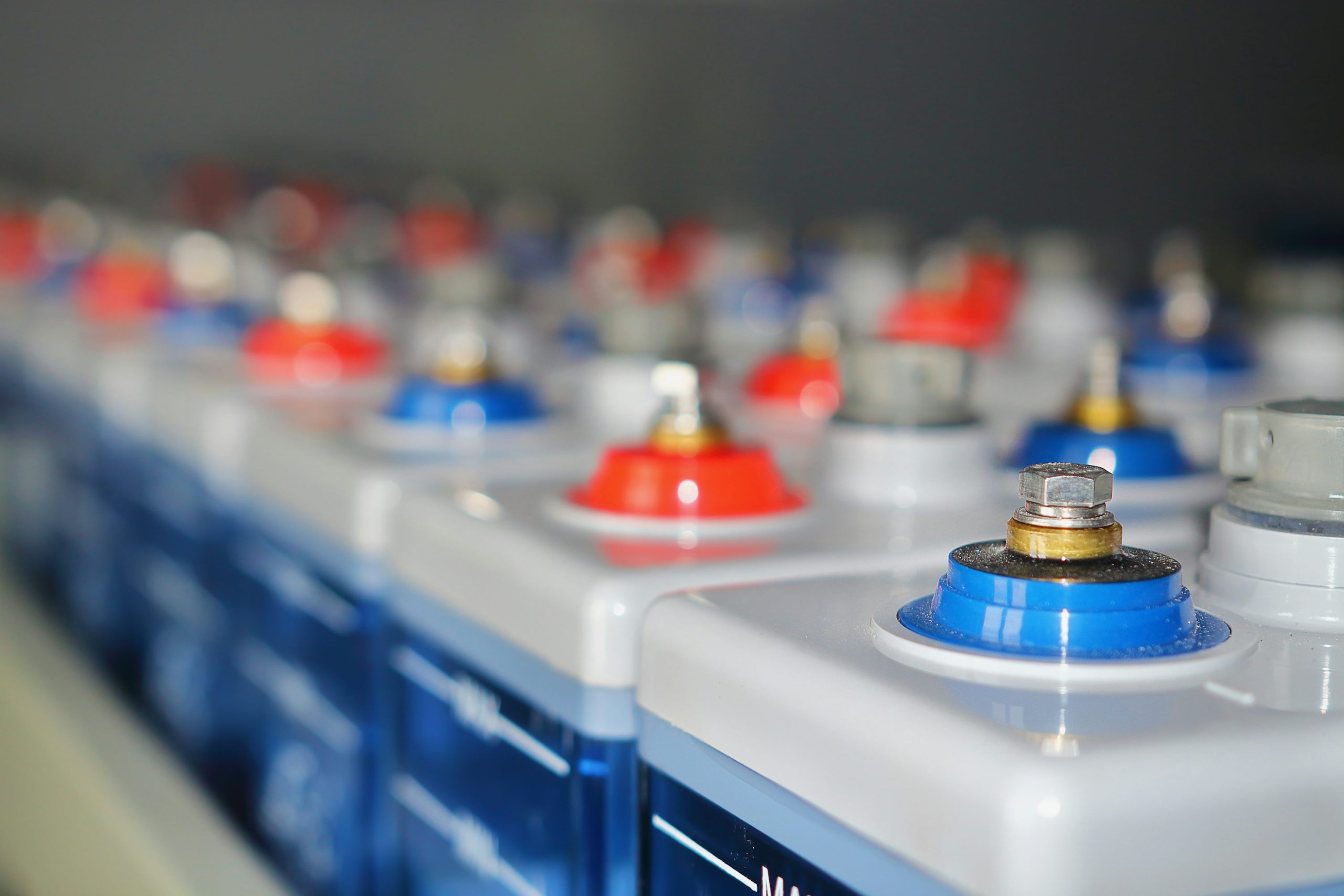
Ignitis Renewables, the Baltic green-energy company, is among the first to develop utility-scale battery storage in Lithuania, as the country tries to keep pace with a fast-growing fleet of wind and solar. The group is building three battery farms with a combined 291 MW of power and 584 MWh of storage capacity.
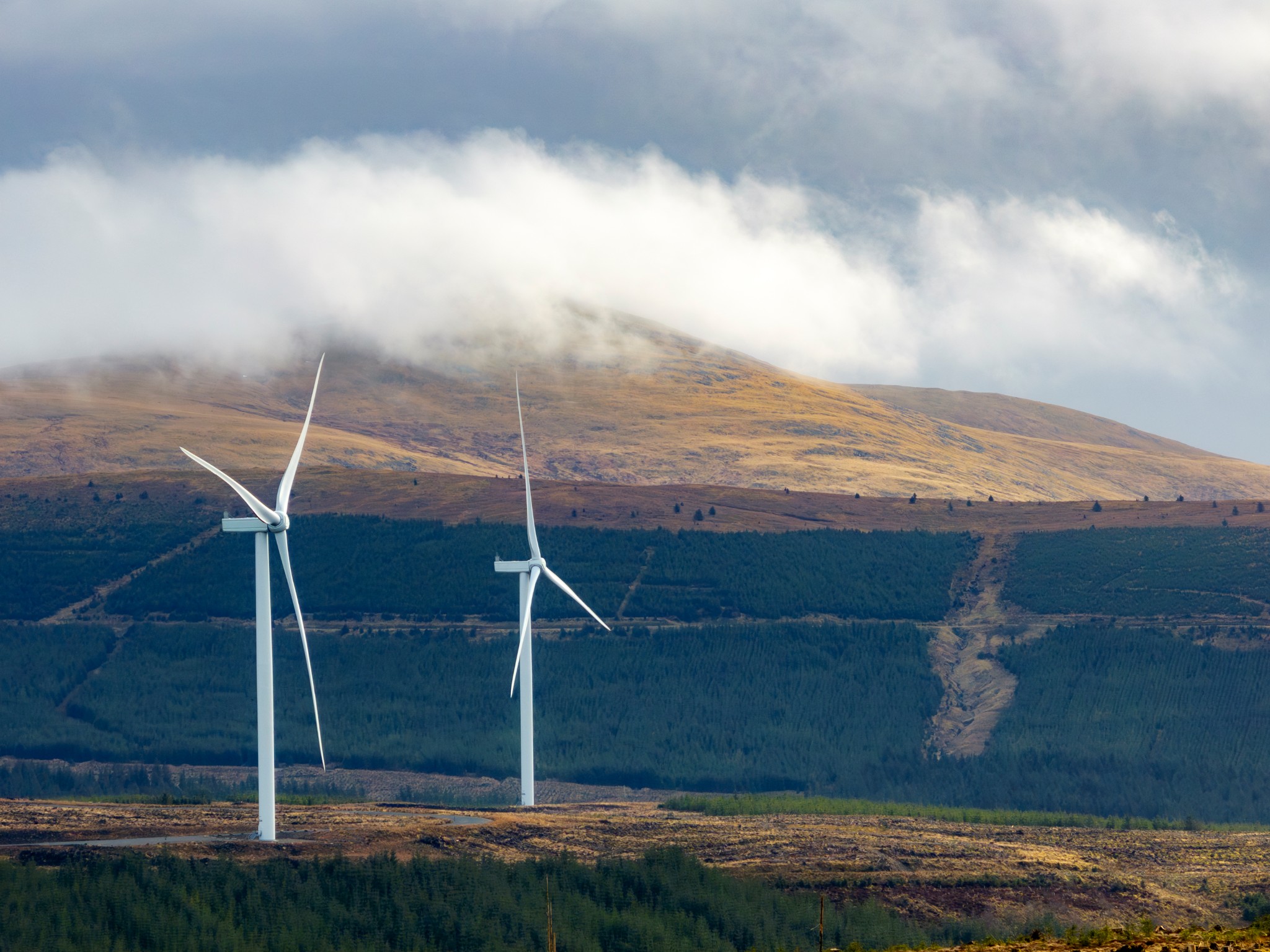
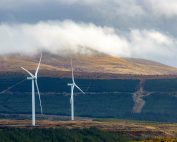
Two of the projects sit next to operating Ignitis Renewables wind farms near Kelmė and Mažeikiai; the third is near the Kruonis Pumped Storage Hydroelectric Power Plant run by Ignitis Gamyba. Co-locating storage with existing generation and grid connections keeps construction and environmental impact down, the company says.
“Storage systems are like safety cushions of the electricity network,” said Algirdas Dučinskas, head of energy storage at Ignitis Group. “They allow us to store excess energy and use it when it is needed the most – they help balance generation and consumption, ensure stable supply and increase the reliability of the energy system.” The batteries charge when solar or wind output is high and discharge during evening peaks or calm, cloudy spells.
The company expects European battery storage capacity to grow fivefold by 2030, pointing to a system that is not only greener but more flexible and resilient. For the Baltic states, which synchronised with the continental European grid in 2025 and are rapidly adding renewables, storage is becoming one of the more important pieces of the puzzle – smoothing prices and reinforcing energy security across the region.