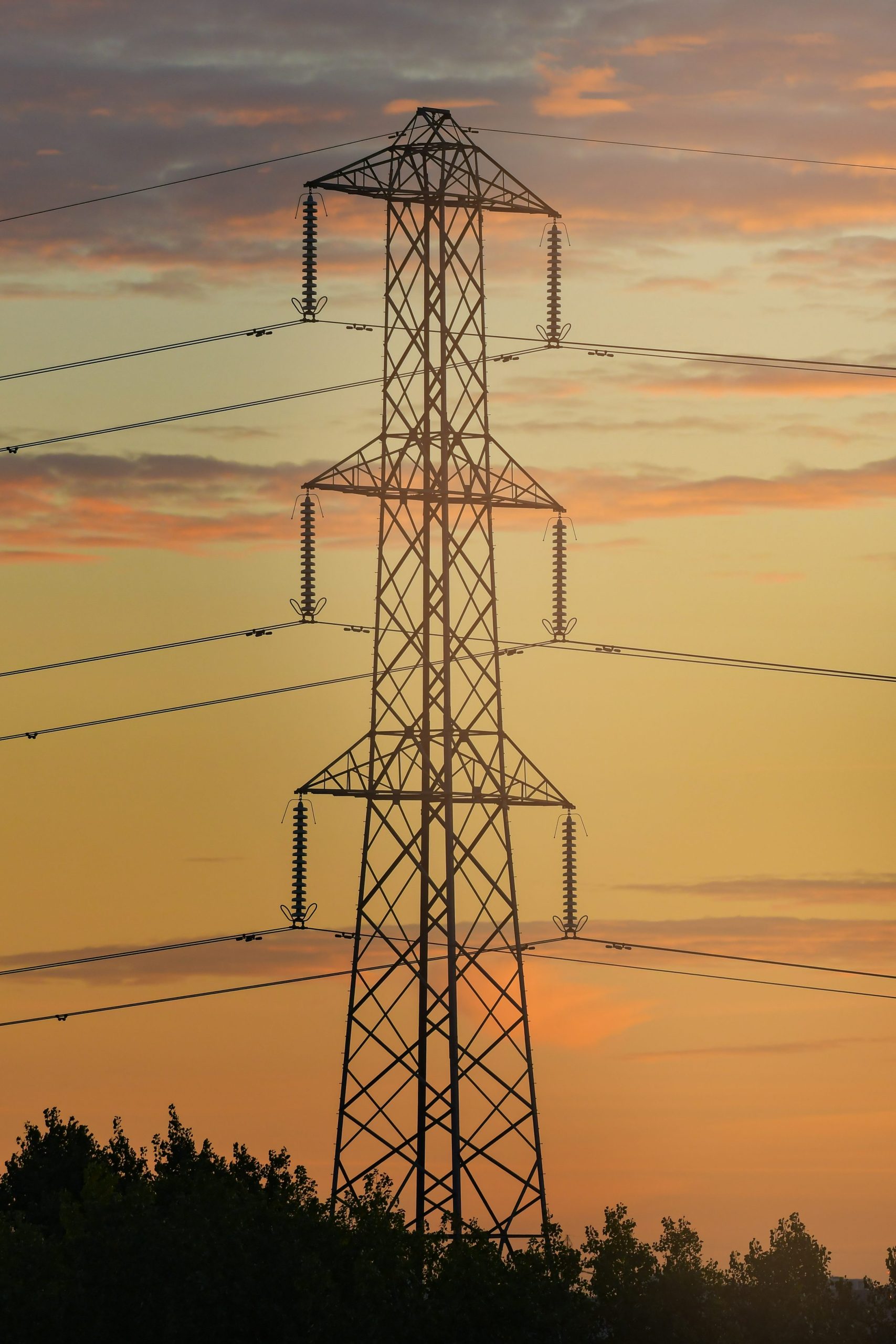
Europe risks wasting growing volumes of clean power unless it expands its grids in step with renewable build-out, according to a study by Aurora Energy Research released during London Climate Action Week. The analysis frames the electricity grid as a critical enabler of decarbonisation rather than a background utility.
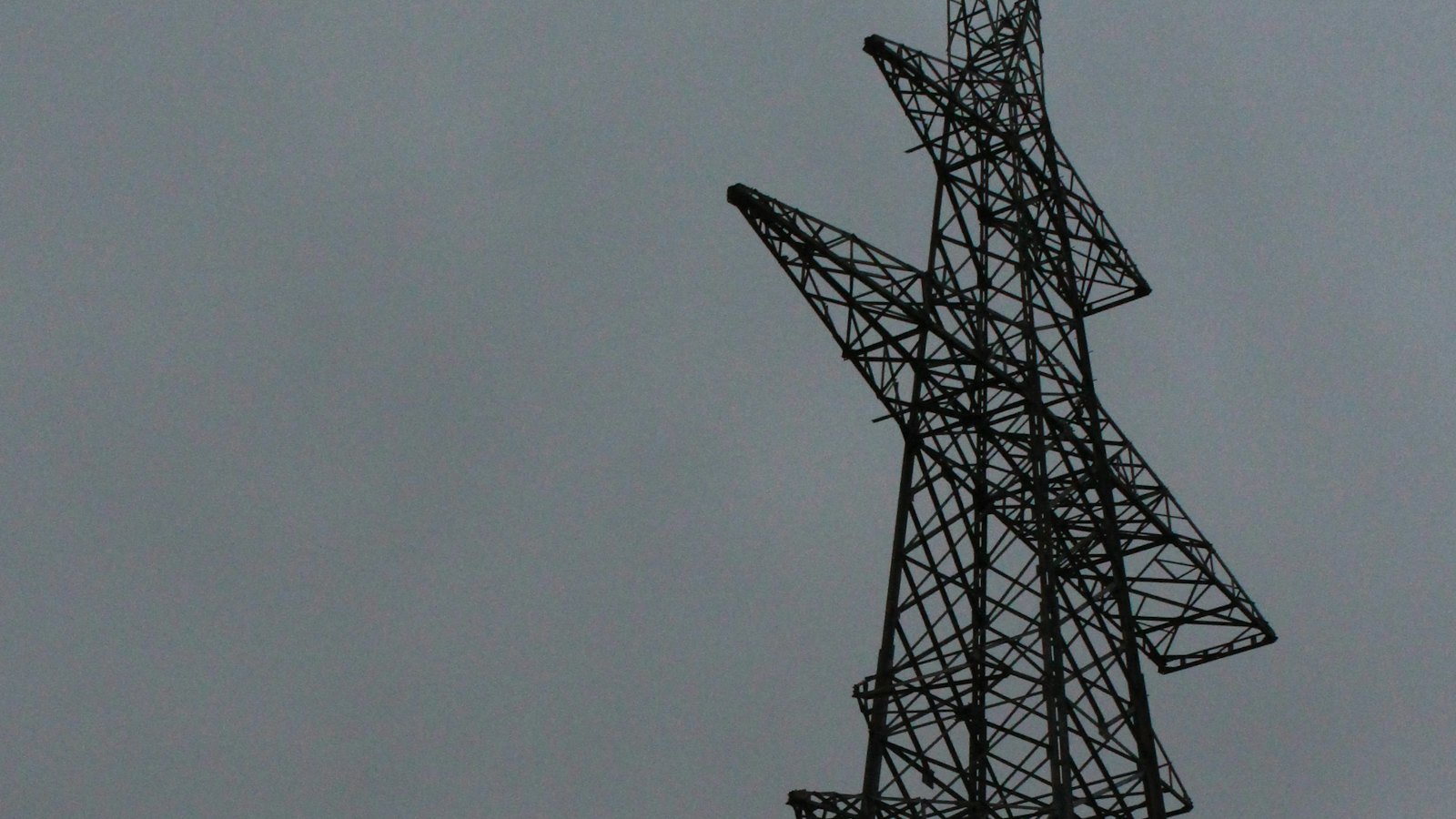
Grid congestion management across Europe reached 72 TWh in 2024, with countries including Ireland and Poland curtailing between 5% and 10% of their renewable output because the network could not absorb it. Aurora warns that curtailment volumes could double by 2030 across Great Britain, Germany, Spain and Italy if the gap between renewable deployment and grid expansion is not closed.
The modelling finds that a 25% increase in cross-border interconnector capacity would let the system absorb an additional 27 TWh of solar and wind electricity by 2040. That would cut gas-fired generation by roughly 35 TWh, or about 8%, avoiding 16.3 million tonnes of CO2 — equivalent to taking around 3.5 million cars off the road.
Grid investment also strengthens resilience. In a modelled stretch of low renewable generation in Germany, stronger interconnection nearly doubled import flows, cut thermal generation by 14% and reduced emissions by 18%. Delay, by contrast, is expensive: a British case study shows congestion costs rising to seven times the level of a timely-investment scenario by 2060 if network delivery slips.
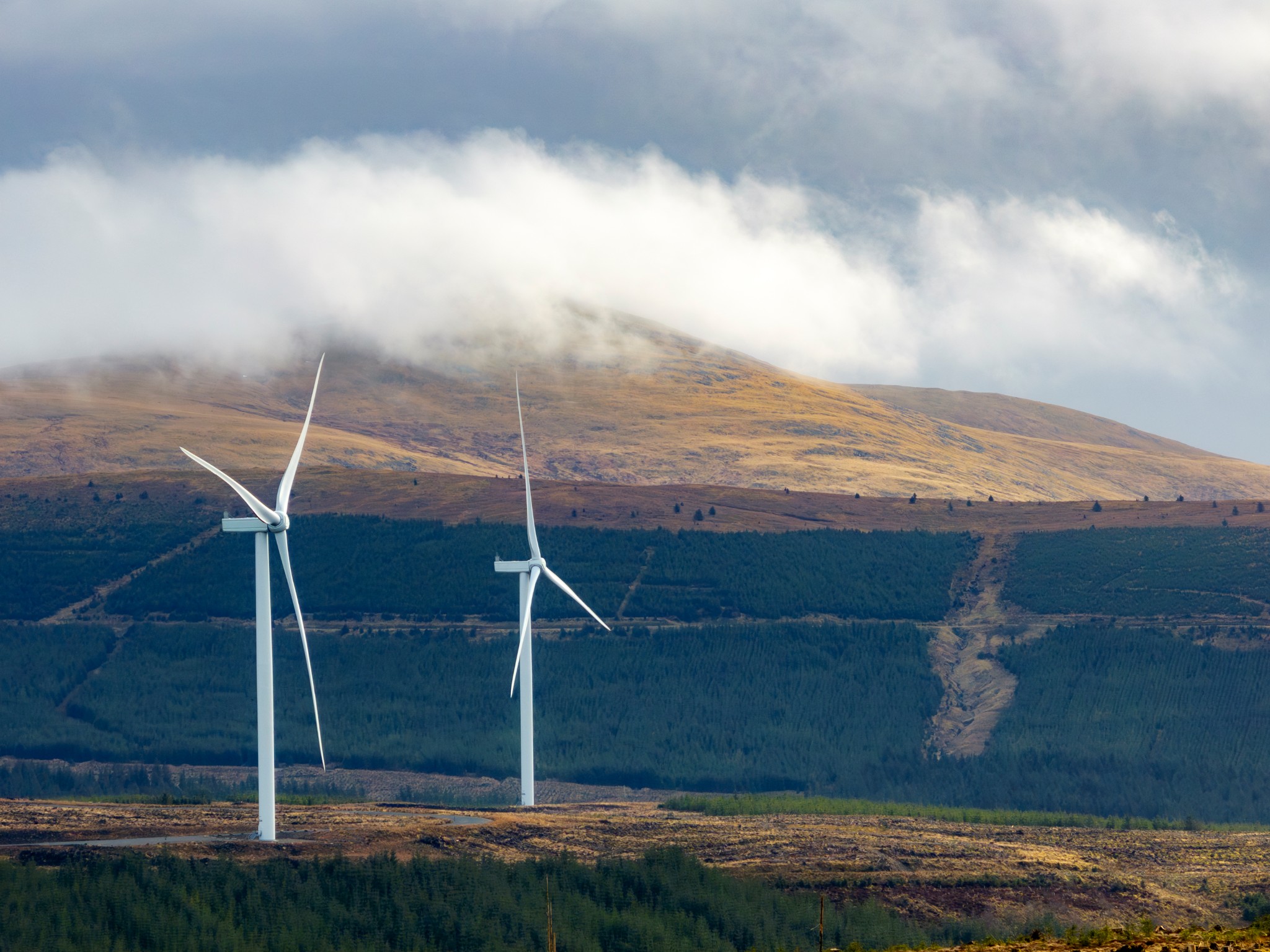
For the Baltic, where several countries are racing to connect large offshore and onshore renewables, the message lands close to home. Poland already curtails a notable share of its clean output, and the value of new wind farms depends as much on the cables that move their power as on the turbines themselves.