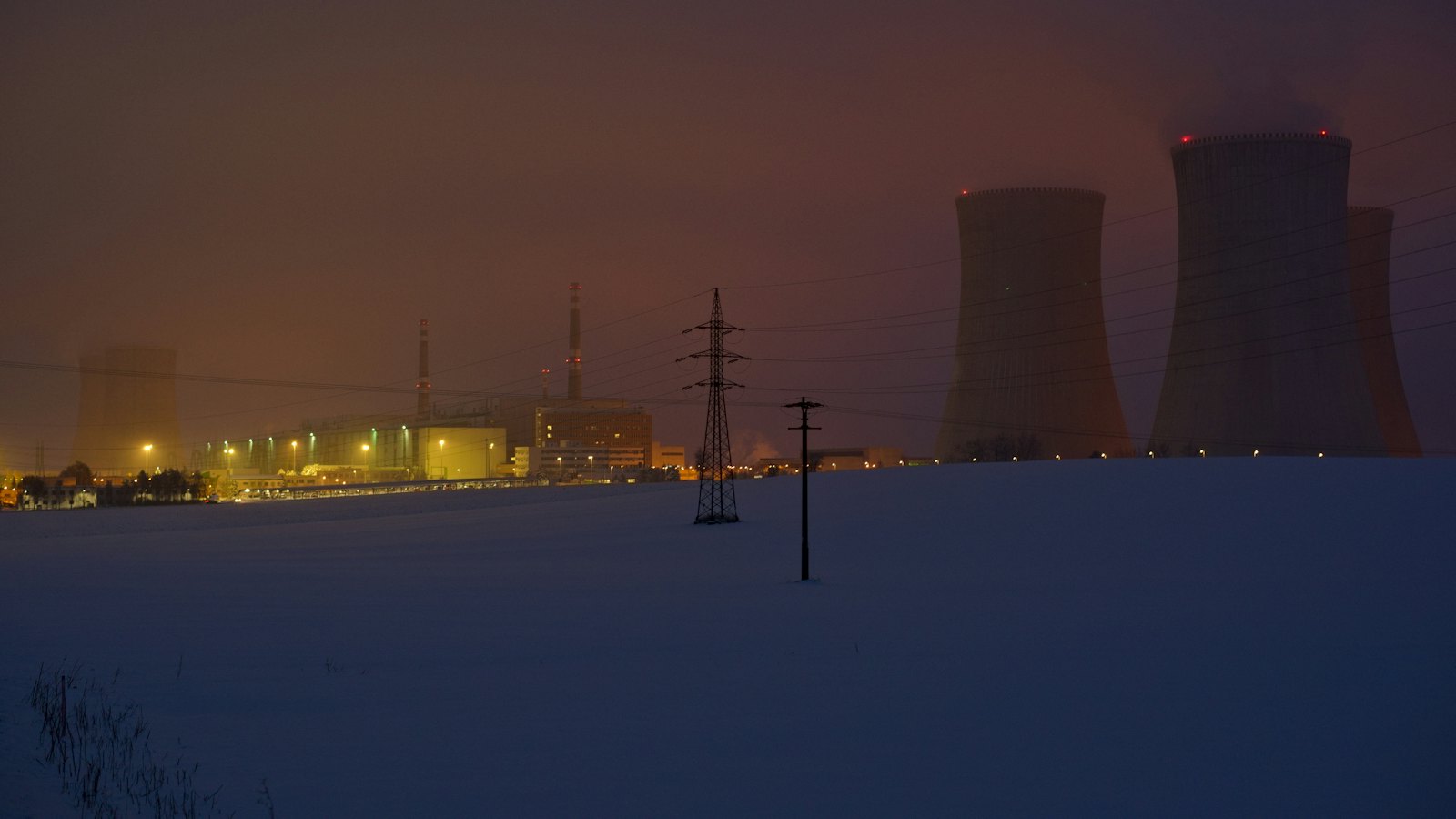
Estonia’s parliament, the Riigikogu, has passed the Nuclear Energy and Safety Act, establishing for the first time a legal framework for the production and use of nuclear energy in the country. The bill, initiated by the government, was approved with 63 votes in favour, 10 against and one abstention.
The Act sets out the rules for choosing the site of a nuclear power plant and for its construction, testing, operation, decommissioning and the final disposal of waste. It creates a phased licensing system — from a preliminary assessment through construction, testing and operating licences to a decommissioning licence — and places the national nuclear regulator within the Consumer Protection and Technical Regulatory Authority. The regulator is due to begin work on 1 January 2027.
Responsibility for safety and end-of-life costs sits squarely with the developer and operator. The Act requires a national decommissioning fund, financed by operator contributions during the plant’s working life, to cover dismantling and waste disposal. It also lays down principles for nuclear security, physical protection, emergency preparedness and international safeguards.
During the proceedings, parliament added a further layer of political oversight: alongside the regulator and the government, the Riigikogu itself will have to approve any decision to build a plant.
The law does not commit Estonia to building a reactor, but it removes a fundamental legal obstacle and signals that small modular reactors are now a serious part of the country’s long-term energy debate. For a Baltic state seeking firm, low-carbon capacity to complement its growing wind sector and reduce reliance on imports, the framework is a notable step.