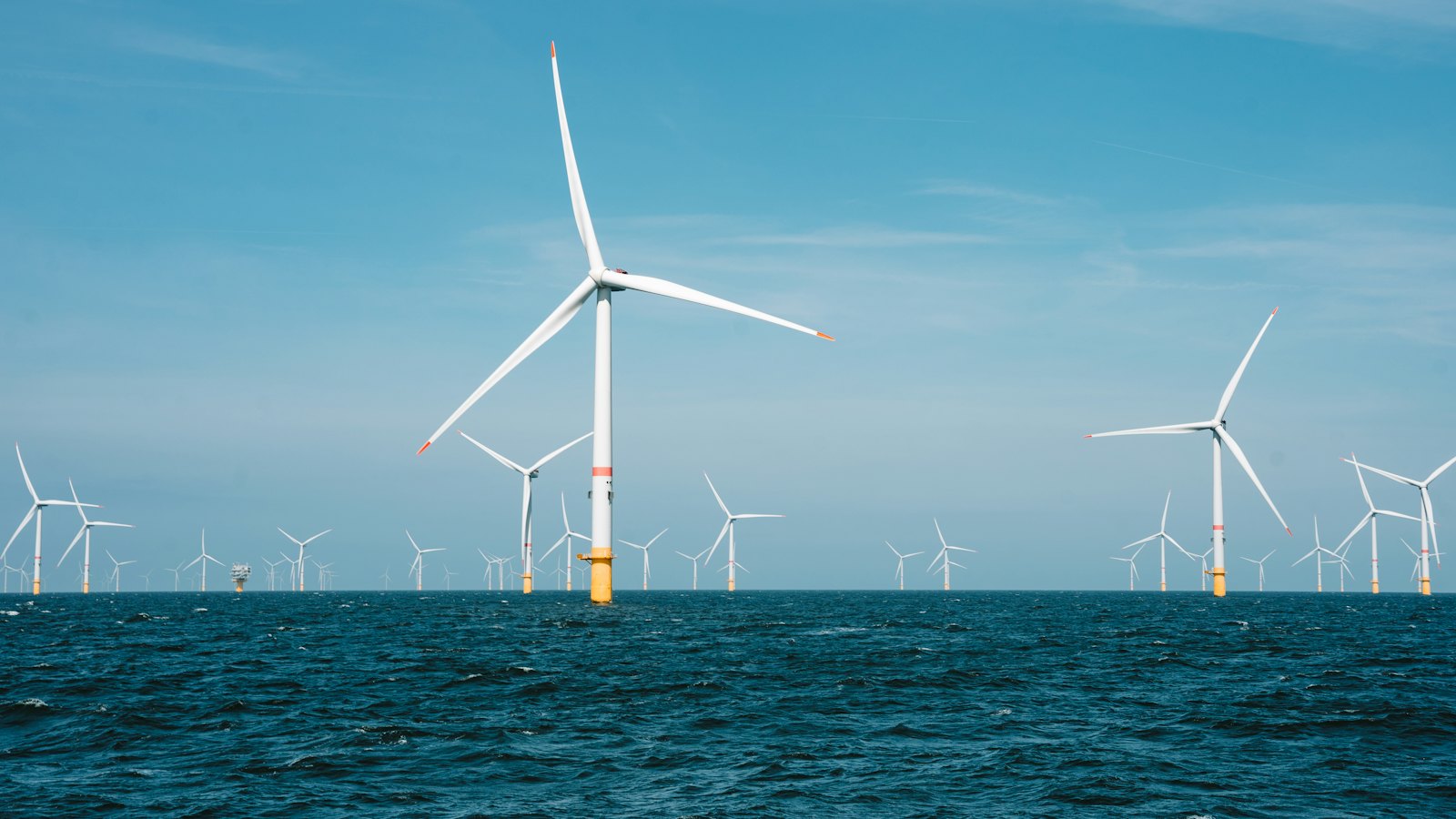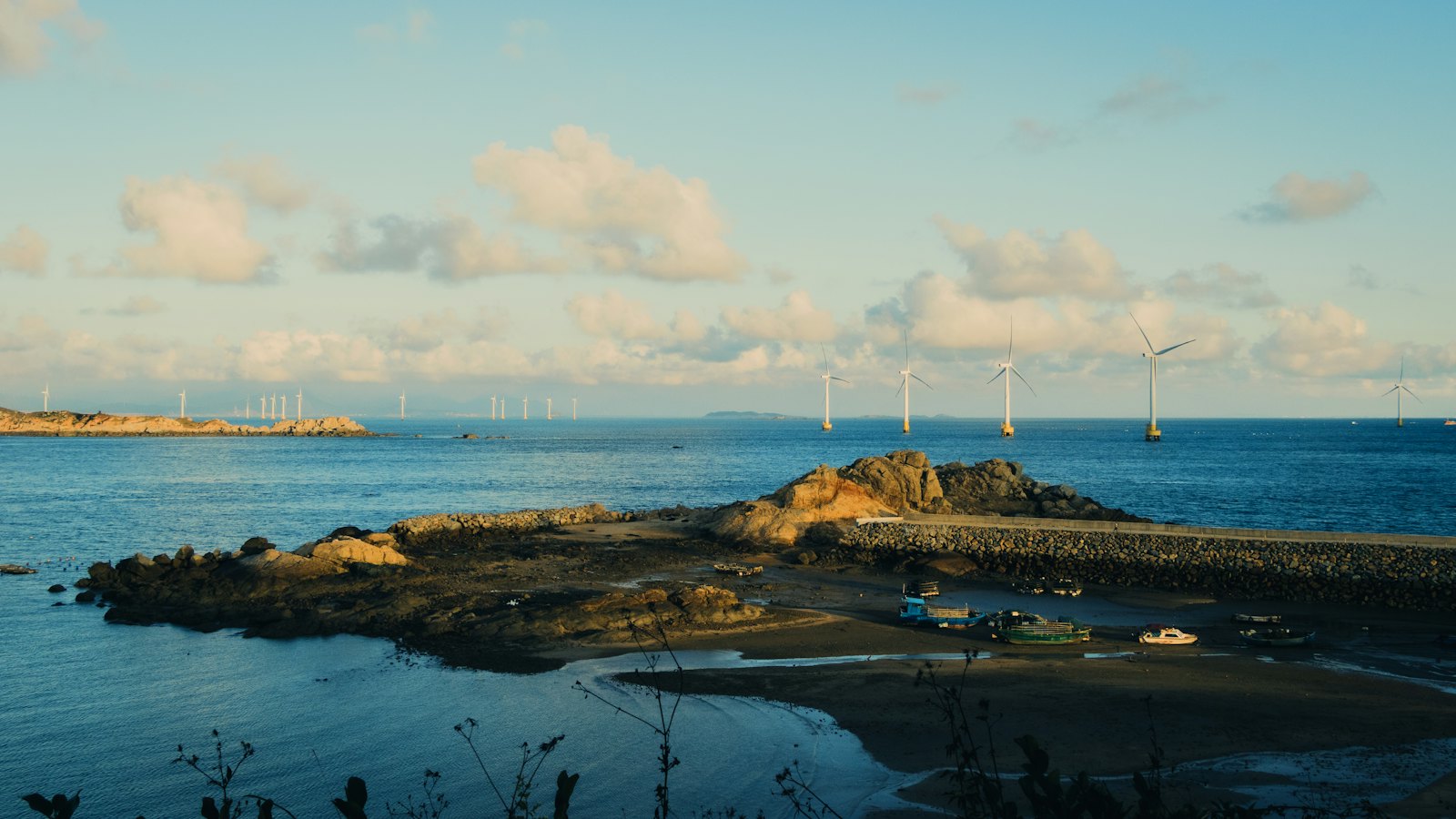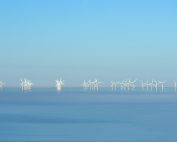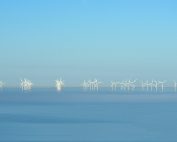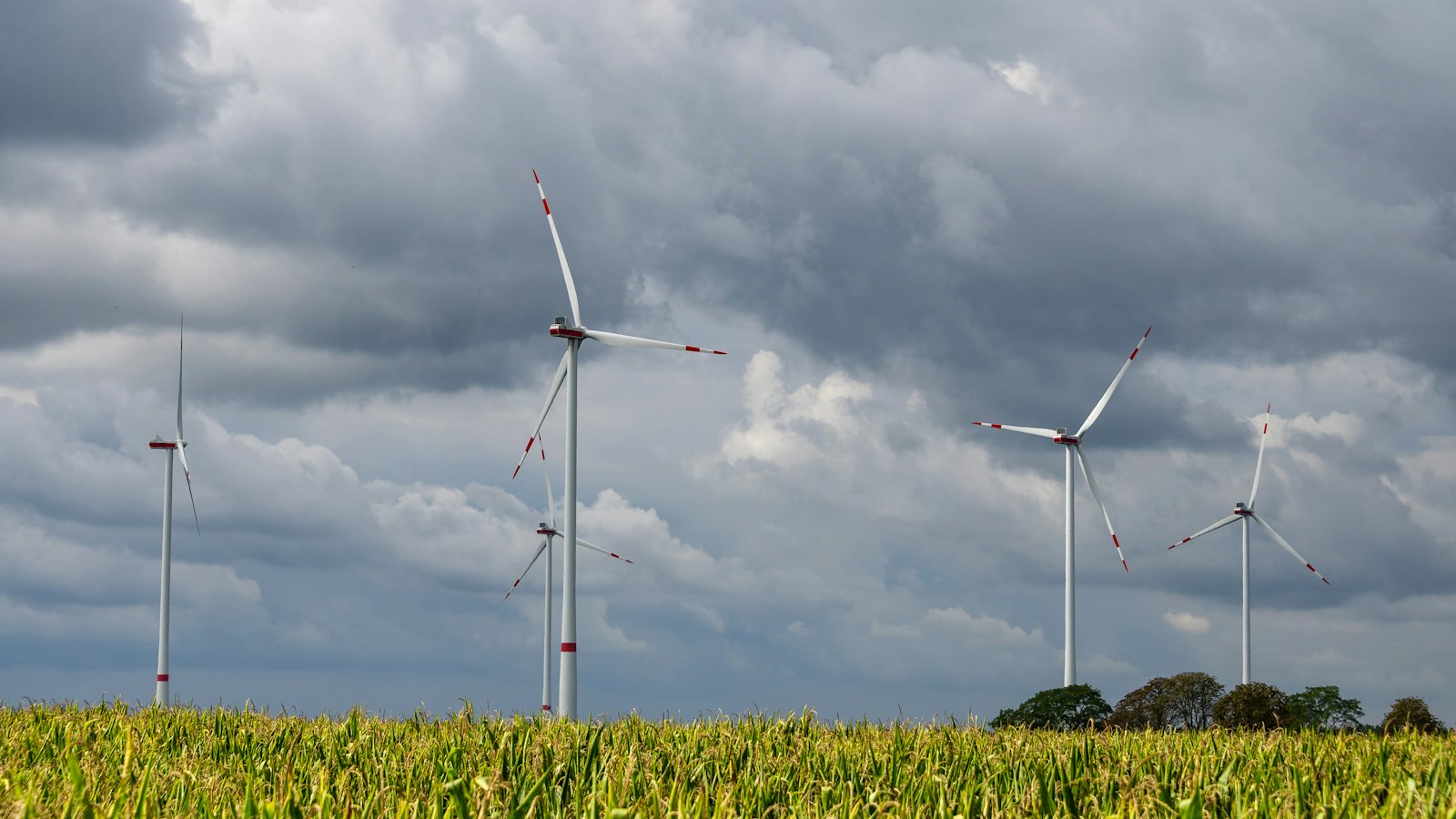
Wind farms in Germany fed 87.46 billion kilowatt-hours into the grid between 1 January and 3 September 2026, against 76.65 billion kWh over the same period last year, according to figures published by the energy research institute IWR. That is a year-on-year increase of roughly 14 per cent, covering onshore and offshore generation combined.
German solar output moved in the same direction over the period, at 67.80 billion kWh against 60.62 billion kWh a year earlier. Across Europe, IWR puts wind feed-in at 298.64 billion kWh for 1 January to 3 September, compared with 278.16 billion kWh in the equivalent period of 2025.
One caveat applies to the European numbers. IWR notes that its European feed-in data for the week was incomplete because a data migration at ENTSO-E did not complete successfully, with a further attempt scheduled for 7 September. The German figures are unaffected.
The generation trend sits against a markedly tighter fuel market. Brent crude for November delivery stood at 95.17 dollars per barrel, against 67.06 dollars a year earlier. German gas storage was 53.67 per cent full on 3 September, up from 51.66 per cent a week before. The EU carbon price closed at 83.61 euros per tonne, compared with 74.38 euros a year earlier.
The combination matters for the Baltic market as much as the German one. Higher fossil prices lift the wholesale power price that wind competes against, while a strong wind year raises the share of hours in which wind sets the price and pushes it down. Storage levels heading into the heating season shape how much of that pressure reaches consumers.
What the figures do not show is capacity added this year against capacity that cleared an auction but has not yet been built. Feed-in reflects the fleet already turning, much of which was permitted years ago.