Energy ministers from the eight Nordic and Baltic countries met in Tallinn on 4 September for the Nordic-Baltic 8 (NB8) ministerial, with the energy situation in Ukraine, the protection of critical energy infrastructure and the competitiveness of the energy market on the agenda.
Estonia holds the rotating NB8 chairmanship in 2026, and the meeting brought together representatives of Finland, Sweden, Norway, Denmark, Iceland, Estonia, Latvia and Lithuania. Introductions to the agenda items were given by Ukraine’s Deputy Minister of Energy Anatolii Kutsevol and by Andres Sutt, Estonia’s Minister of Energy and the Environment.
Finland was represented by Sari Multala, Minister of Climate and the Environment, who linked the format directly to the condition of infrastructure on and under the seabed.
“The cooperation between the Nordic and Baltic countries has risen in significance, especially in terms of improving energy security, protecting critical infrastructure and increasing the resilience of societies. From Finland’s point of view, it is important that the EU also recognises the need to support the security and repair of critical underwater infrastructure,” Multala said.
The reference to repair is the sharper half of that sentence. Cables and pipelines crossing the Baltic have been damaged repeatedly in recent years, and the question of who holds the vessels, spare parts and crews to fix them has moved from a technical footnote to a policy question at ministerial level.
NB8 is a standing cooperation format rather than a treaty body. It runs on regular dialogue at ministerial and official level across foreign and security policy, defence cooperation and energy. Alongside the energy meeting, Multala visited NATO’s Cooperative Cyber Defence Centre of Excellence in Tallinn.
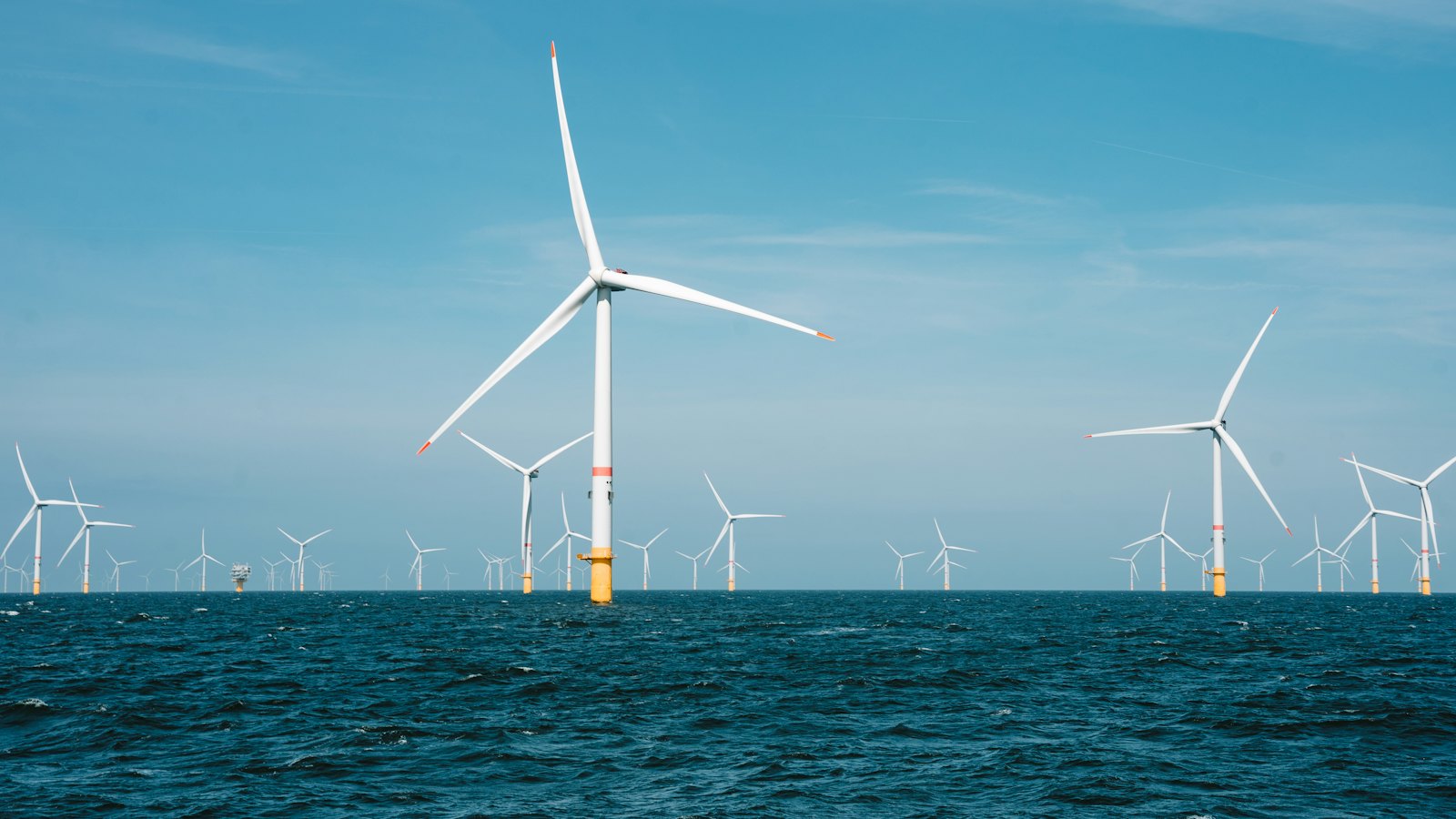
For the offshore wind sector around the Baltic, the practical significance sits in the second agenda item. Export cables, interconnectors and offshore substations are the same class of asset the ministers were discussing, and the resilience measures agreed between these eight governments shape the risk environment that developers and transmission operators plan against.