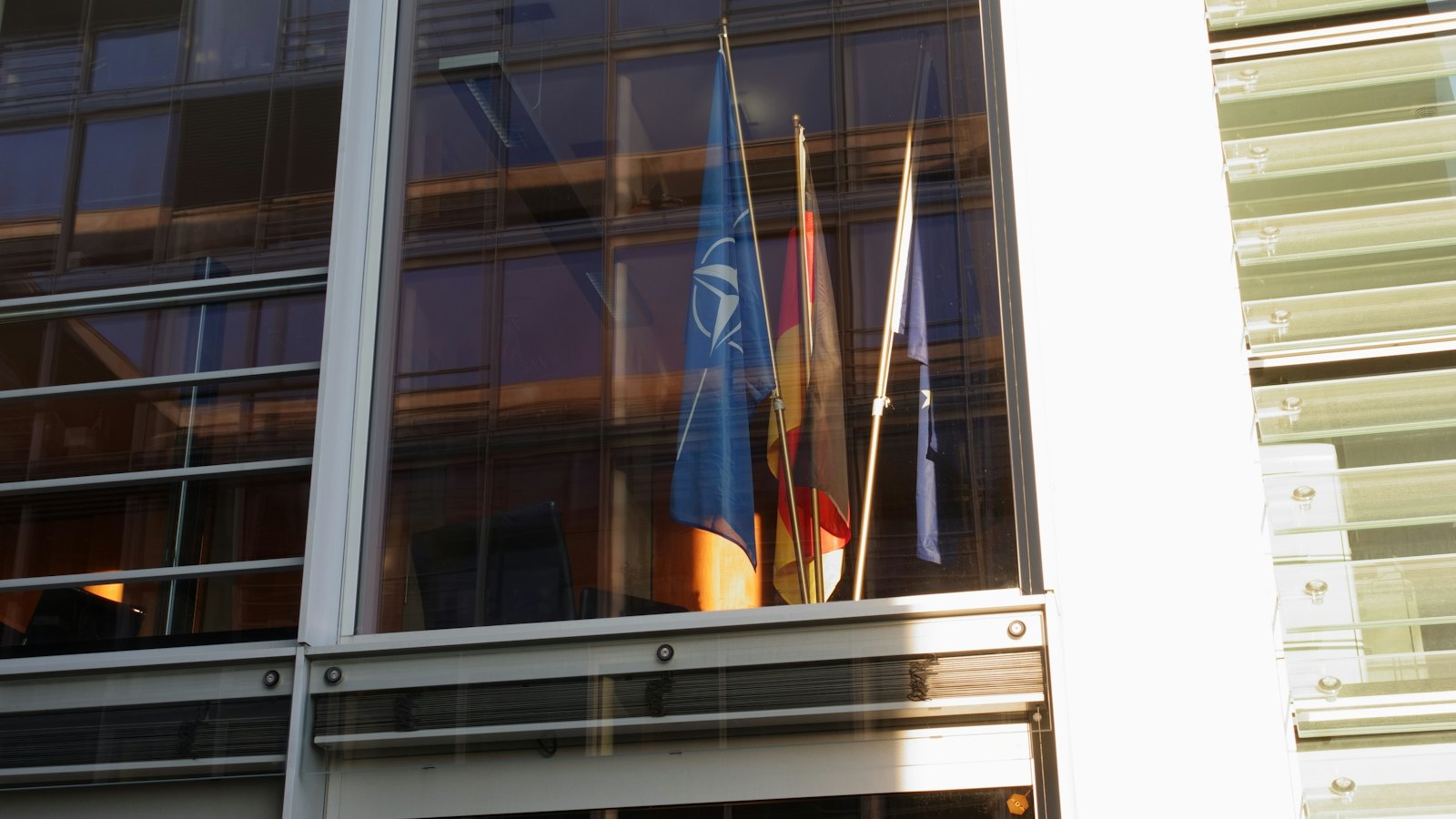
NATO’s Supreme Allied Commander Europe, General Alexus Grynkewich, said on 12 October at the Warsaw Security Forum that the alliance is ready to fight “tonight” if attacked, presenting what he called a “strategy of victory”. He stressed that he does not regard a conflict as imminent or inevitable.
Grynkewich described the strategy not as a military plan but as a shared vision of how to win at deterrence and defence. It builds on the concept for the deterrence and defence of the Euro-Atlantic area adopted by all 32 NATO members, and on lessons from the wars in Ukraine and the Middle East, according to Polish news agency PAP.
He said NATO’s intelligence advantage means the alliance would not be surprised and would see an attack coming, giving time to deploy forces quickly and to prevent an adversary from seizing territory as a fait accompli. In a first phase, allied land forces would dominate the advance at the point of contact and pin down enemy formations. Air and naval forces, working with space and cyber forces, would quickly gain air and maritime superiority. Advanced sensors, autonomous systems and multi-domain forces would then deny the attacker momentum.
If the opponent keeps attacking or commits reserves, Grynkewich said, the alliance is to defeat not only the attacking forces but also whatever supports, supplies and commands them. “We are not complacent,” he said, adding that NATO will keep preparing and exercising every day. For the Baltic Sea region, which borders Russia and depends on subsea cables and offshore energy assets, such deterrence posture is directly relevant to infrastructure security.