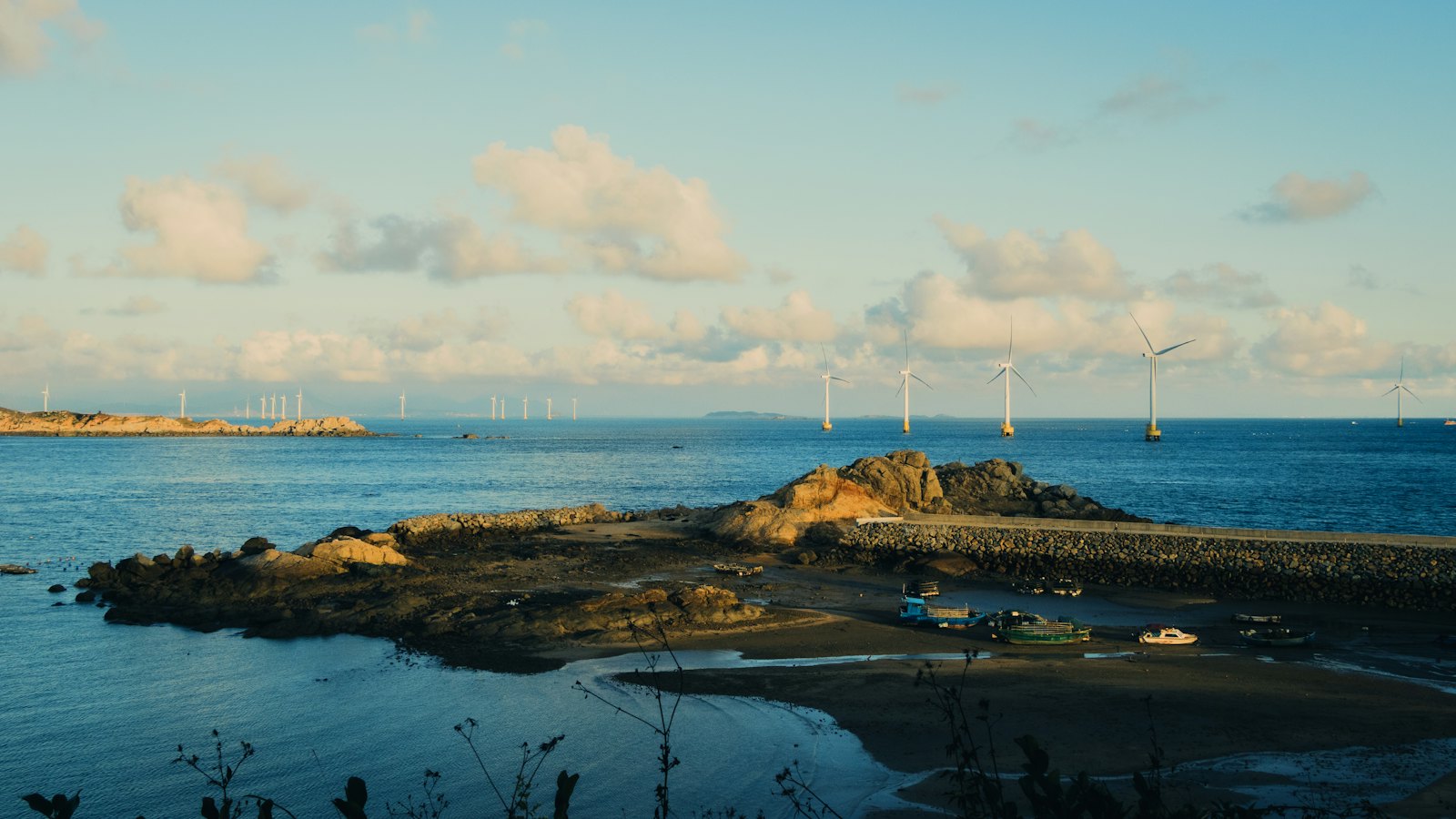
Read side by side, four events from the first half of 2026 give a fair picture of what the energy sector is working on. They range from a Warsaw policy conference to a Rotterdam data workshop and the continent’s largest energy trade fair in Munich. The common thread is less about building more capacity and more about making the system around it work: data, storage, flexibility and security.
The widest view came from The smarter E Europe in Munich, which closed on 25 June with 2,650 exhibitors from 52 countries and around 105,000 trade visitors from 163 countries, according to the organisers. Its theme was “Renewables 24/7”: how solar, wind, storage and smart grids can supply power reliably around the clock. Germany already generates around 60 per cent of its electricity from renewable sources, the organisers noted, while spending some 80 billion euros a year on fossil fuel imports. A German environment ministry official told delegates that the transition now concerned about 440,000 jobs, economic resilience and national security, not climate protection alone. The next edition is scheduled for 8–10 June 2027.
The narrowest and most technical view came from WindEurope’s Technology Workshop, held in Rotterdam on 11–12 June for its 15th year. More than 450 professionals were expected, with more than 70 technical posters on topics such as LiDAR measurements, wake effects, curtailment, annual energy production validation, fault detection and lifetime assessment. It also presented final results of the WILLOW project on health monitoring and remaining-lifetime assessment. That is a sector that has turned from adding turbines to getting more out of the ones it already operates.
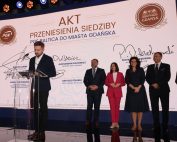
In Poland, the 43rd EuroPOWER & OZE POWER Energy Conference, held in Warsaw on 30–31 March, put security, competitiveness and public acceptance at the centre of its agenda. Announced topics included Polish nuclear power and small modular reactors, sovereign data architecture, energy storage, grid connections, and the challenges of the Baltic Sea alongside repowering of onshore wind. The programme was set by regulators, grid operators and utilities, which shows where Polish decisions on wind and storage are being shaped.
The fourth piece looks further ahead. A technical review of airborne wind energy systems found that conventional turbines reach wind below roughly 200 metres, where capacity factors typically stay under 35 per cent, and that tethered kites, gliders or drones aim at stronger winds above that. The same review is clear that autonomous flight control, durable tethers, predictable output and certification remain open problems. For the Baltic, the likely reading across all four is a complement rather than a replacement: more wind, run better, backed by storage and grids, with new concepts still at the edge of the agenda.