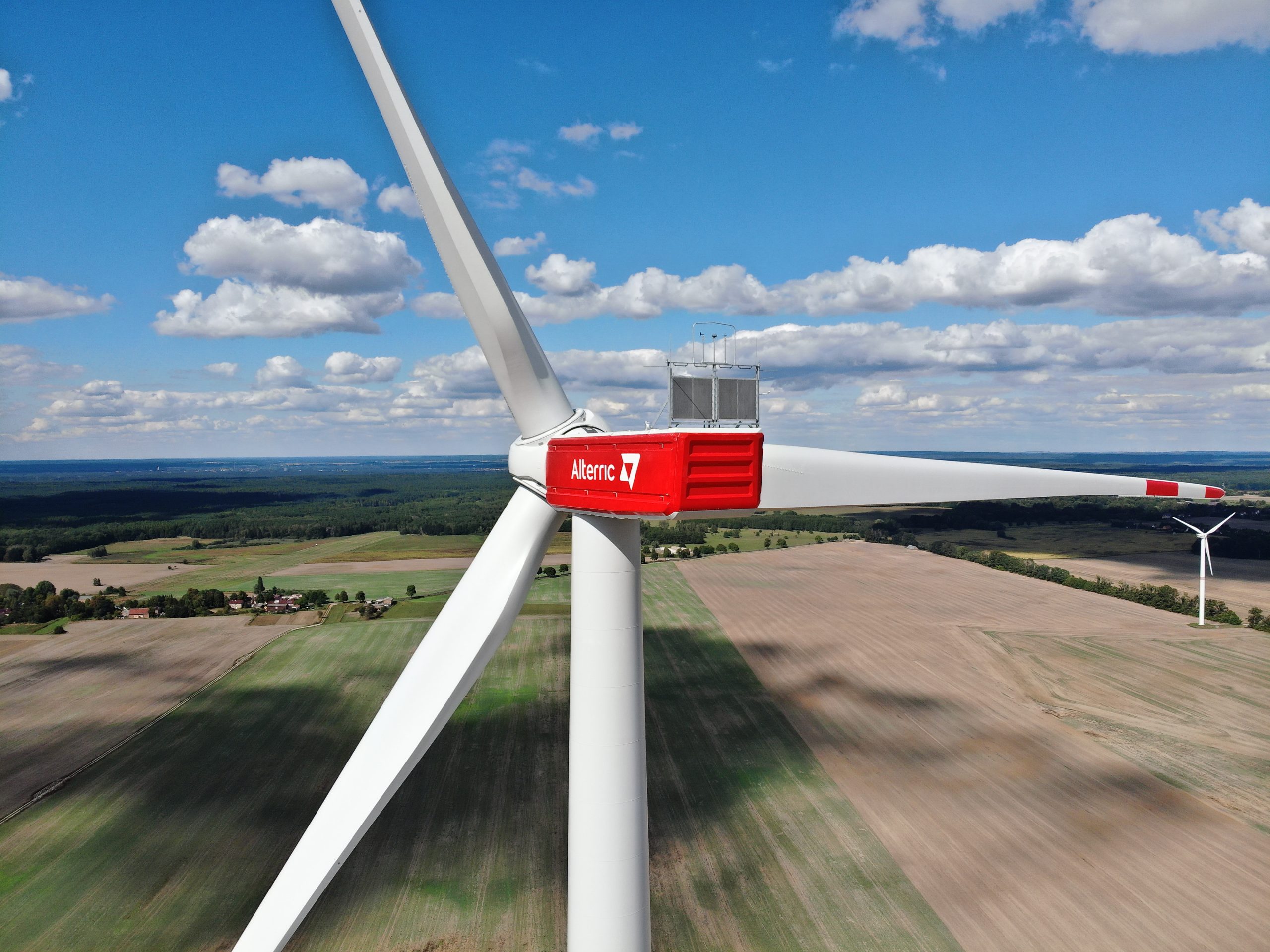
German wind farm operator Alterric has been prequalified to provide balancing power, starting with the Kalefeld wind farm in southern Lower Saxony, in the control area of transmission system operator TenneT. The Aurich-based company announced the step on 27 November 2026, together with its direct marketer MVV Trading.
Balancing power keeps the grid frequency at its 50 Hz target. Automatic frequency restoration reserve (aFRR), also known as secondary control reserve, is becoming more important because it corrects short-term deviations automatically: units must raise or cut output within seconds to minutes. This service has traditionally come from gas and coal plants, run-of-river hydro, pumped storage and biomass. Weather-dependent sources such as wind and solar have so far been largely absent from the market.
To qualify, wind farms must be prequalified as technical units and prove that they respond precisely and quickly to grid fluctuations. That requires control and IT integration so that available output can be determined reliably at all times and power can be adjusted through secured interfaces. The turbines then pass a live test run under real conditions. Alterric said Kalefeld has met these requirements and can now deliver negative balancing energy, by curtailing output on demand, and take part in the daily auctions held by Germany’s four transmission system operators.
“We don’t just supply clean electricity, we also take responsibility for system stability, which until now was reserved for conventional power plants,” said Dr Frank May, CEO of Alterric. Bettina Karakus, origination manager at MVV Trading, said the partners were “unlocking additional flexibility for the power system” by bringing wind into the balancing market. MVV Trading, a subsidiary of MVV Energie, pools weather-dependent output in a virtual power plant to offer a predictable combined capacity.
Alterric operates around 250 wind farms and said a significant share of them should gradually be equipped to provide balancing power. Further sites are being prepared in parallel with several direct marketers. As wind takes a larger share of generation in Germany and across the Baltic Sea region, the ability of wind farms to supply grid services that were once the preserve of thermal plants is likely to matter more for system operators.